

Views: 0 Author: Site Editor Publish Time: 2026-04-28 Origin: Site


In biopharmaceutical manufacturing, the process defines the final product. A single compromised flow control point quickly results in batch contamination. This leads to massive financial losses and regulatory audit failures. Standard sanitary valves routinely fail under the rigorous demands of antibiotic production. Facilities process aggressive media and demand sterile barriers that do not falter over time. Engineers face a distinct dual challenge. They must eliminate contamination blind spots entirely while ensuring component integrity under repeated, aggressive sterilization cycles. Evaluating and specifying an Antibiotic Globe Valve requires moving far beyond basic sanitary ratings. Process architects must analyze internal geometry, advanced sealing mechanisms, and lifecycle durability under continuous Clean-In-Place (CIP) and Sterilization-In-Place (SIP) conditions.
The Role of Antibiotic Globe Valves Across the Bioprocessing Lifecycle
Structural Evaluation: Specifying a Stainless Steel Aseptic Valve
Evaluating CIP/SIP Integration Using the V-FACT Framework
Fermenter Globe Valve vs. Alternative Flow Control Technologies
Total Cost of Ownership and Implementation Risks
Conclusion
FAQ
Geometry Dictates Sterility: A true deadless globe valve design is mandatory to prevent pathogen dormancy and eradicate contamination blind spots.
Material Endurance: High-grade stainless steel aseptic valves coupled with PTFE sealing are required to withstand standard industrial sterilization (130ºC for 30 minutes at up to 3 bar pressure) without material degradation.
CIP Optimization: Valve selection directly impacts the V-FACT (Volume, Flow, Action, Concentration, Temperature) efficiency of your facility's CIP protocols.
Process Scalability: For large-scale manufacturing of complex biologics, precision-engineered stainless valves offer superior pressure handling and Total Cost of Ownership (TCO) compared to standard or single-use alternatives.
Flow control components dictate the hygienic success of an entire manufacturing line. In bioprocessing, valves act as primary isolation and flow regulation points. You find them heavily integrated within complex bioreactor and fermenter skids. They directly impact process sterility from the initial inoculation of media to the final harvest of the biological product. This operational environment features extreme temperature fluctuations. It requires high-pressure stability. It also demands resistance to chemically aggressive cleaning agents.
Upstream processing involves cultivating living organisms under tightly controlled parameters. Fermentation skids utilize heavy agitation systems. They require gas diffusers for oxygenation and closed-loop turbidity monitoring to track biomass growth. Valves must interface flawlessly with these sub-systems. If a valve introduces severe pressure drops or creates jagged flow paths, it generates intense shear stress. This shear stress tears apart live microorganisms and sensitive mammalian cells. Chinese Hamster Ovary (CHO) cells are especially vulnerable to this mechanical damage. Damaging these cells instantly reduces your batch yields. High-performance globe valves maintain laminar flow profiles. They dose nutrients and control gas integration without damaging delicate cellular structures.
Seed Train Expansion: Valves meter exact volumes of starter cultures into primary holding tanks.
Main Bioreactor Inoculation: Flow components transfer the expanded biomass into the production vessel.
Continuous Feed Control: Throttling valves dose precise amounts of glucose and amino acids over several weeks.
Gas Sparging: Specialized micro-valves inject oxygen and sweep gases to maintain optimal dissolved oxygen levels.
Once cell cultures reach peak density, the process shifts to harvesting. Downstream integration requires extreme care. Specialized globe valves play a mandatory role during tangential flow filtration (TFF). During these recovery phases, the equipment separates the biological product from the cellular debris. Minimizing shear stress remains an absolute priority to protect intricate biological structures. Monoclonal antibodies (mAbs) and recombinant proteins are highly susceptible to mechanical degradation. Precision globe valves modulate flow smoothly. They prevent sudden pressure spikes that could unfold or destroy high-value therapeutic proteins during separation. You must avoid sudden cavitation in the flow path to keep protein structures intact.
Antibiotic production is inherently harsh on internal equipment. The manufacturing process involves highly viscous nutrient media. It includes heavily concentrated biological solids. Operators also run aggressive solvent extraction phases. These challenging fluid dynamics easily degrade standard elastomers like EPDM or commercial silicone. Furthermore, concentrated slurries quickly clog conventional flow paths found in legacy ball valves. Biopharma engineers must deploy specialized globe valves. These valves handle thick biological suspensions easily. They also remain impervious to solvent-induced swelling or severe chemical degradation over thousands of operating hours.
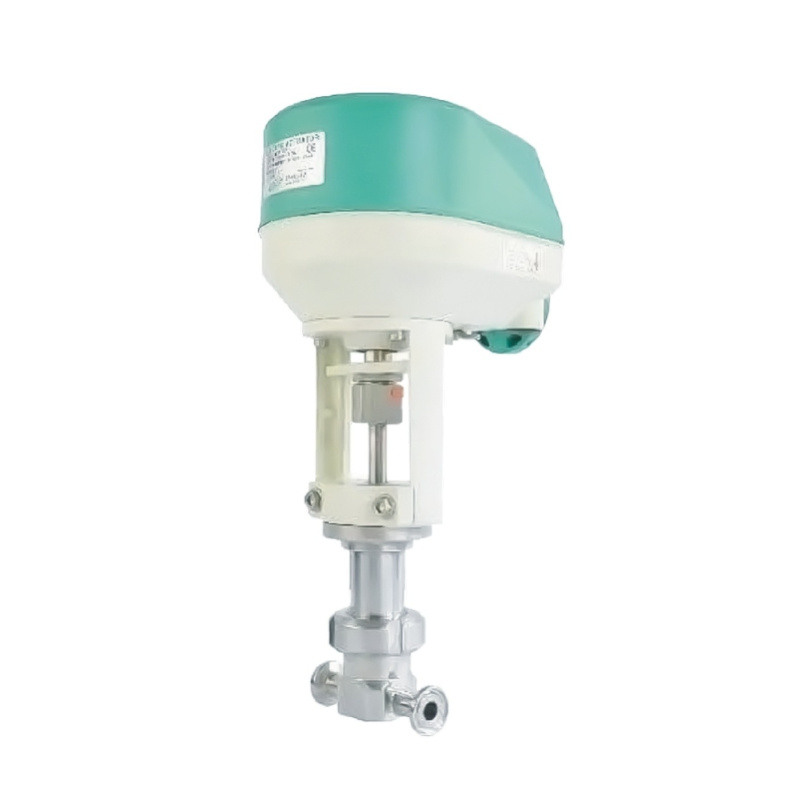
Procuring a Stainless Steel Aseptic Valve requires meticulous structural evaluation. Surface-level sanitary ratings do not guarantee long-term performance under extreme operational stress. Engineers must dissect the internal flow dynamics. You must verify the chemical resilience of the seal. You must also analyze the metallurgical properties of the valve body.
Pathogen dormancy represents a hidden, recurring threat in pharmaceutical water lines. Blind spots and dead-legs in legacy valves allow pathogens to escape sterilization chemicals. Microorganisms enter a dormant state, surviving intense chemical dosing. Days or weeks later, they reactivate. This causes recurring contamination and frustrating false-positive sterile breaches. A true Deadless Globe Valve design eliminates these microscopic safe havens entirely.
Evaluating internal flow paths ensures the L/D (Length/Diameter) ratio approaches strictly zero. A zero dead-leg geometry guarantees that the valve body self-drains completely. Gravity empties the valve regardless of pipeline orientation. Contoured internal cavities also maintain turbulent flow specifically during cleaning phases. This engineered turbulence aggressively scours away sticky biofilm buildup. Simultaneously, the optimized flow dynamics prevent fluid path clogging. This proves necessary when operators process highly concentrated cell cultures exceeding 0.5 million cells/mL.
Sealing technology dictates the lifecycle of an aseptic valve. Polytetrafluoroethylene (PTFE) vastly outperforms standard elastomers in continuous antibiotic processing. PTFE offers near-universal chemical compatibility. It resists harsh acids, strong caustics, and aggressive organic solvents used in final extraction. A PTFE Sealed Globe Valve maintains its structural integrity without leaching plasticizers into the product stream. It also refuses to absorb process fluids, preventing cross-contamination.
| Material Property | PTFE (Polytetrafluoroethylene) | EPDM (Ethylene Propylene Diene Monomer) | Silicone (Platinum Cured) |
|---|---|---|---|
| Temperature Limit | Up to 200°C (392°F) | Up to 135°C (275°F) | Up to 150°C (302°F) |
| Chemical Resistance | Universal (Except molten alkali metals) | Good for bases; Poor for hydrocarbon solvents | Moderate; Poor against strong acids/solvents |
| Steam Aging (SIP cycles) | Excellent; No embrittlement | Moderate; hardens over repeated cycles | Poor; loses elasticity and tears easily |
| Extractables/Leachables | Virtually zero | Moderate risk of plasticizer leaching | Low risk, but vulnerable to breakdown |
Mechanical integrity under Sterilization-In-Place (SIP) conditions is equally critical. Assess the seal deformation risks when the valve faces standard industrial sterilization parameters. A properly engineered PTFE seal withstands continuous cycles of 130ºC steam for 30 minutes at up to 3 bar pressure. It does this without warping or failing. Additionally, stem sealing methods require careful selection. Conventional O-rings introduce friction and wear particles. Welded stainless steel bellows or high-flex PTFE diaphragms are mandatory. They hermetically isolate the moving valve stem from the sterile fluid path. This isolation guarantees zero ingress of atmospheric contaminants.
Rouge formation acts as the boiling frog syndrome of pharmaceutical manufacturing. Rouge is a specialized form of iron oxide corrosion. It plagues Water for Injection (WFI) and pure steam systems. Because it develops slowly, it often goes unnoticed until a critical contamination failure occurs. High temperatures accelerate this oxidation. Stainless steel surfaces turn reddish-brown and shed particulate matter into sterile process lines.
Preventing rouge begins with strict material selection. Engineers must specify 316L or 1.4435 stainless steel. You must require heavily controlled ferrite content to limit corrosion potential. Surface roughness also dictates cleanability. Electropolishing the valve body lowers the surface roughness average (Ra) to below 0.4 µm. This electrochemical process selectively dissolves microscopic peaks on the metal surface. It enriches the protective chromium layer. This significantly reduces iron exposure and prevents rouge formation in the hot, highly reactive valve cavities.
Aseptic valves must integrate into automated cleaning protocols. Evaluating a valve’s compatibility with your Clean-In-Place system relies on the V-FACT framework. This methodology ensures cleaning cycles run efficiently, maintain compliance, and reduce utility costs.
Volume & Flow: The internal flow coefficient (Cv) directly impacts the fluid volume and velocity required. High-flow designs ensure cleaning agents reach the necessary velocity (typically >1.5 m/s) for intense mechanical scouring. This prevents excessive water utility waste.
Action (Dirty Hold Time): Valve geometry heavily impacts dirty hold times. Smooth, contoured internal bodies minimize the time required to clear sticky, viscous antibiotic slurries. Faster mechanical action reduces the overall cleaning cycle duration and increases production uptime.
Concentration: The wetted materials must not degrade when subjected to highly concentrated chemicals. Typical cycles use 1-3% sodium hydroxide (NaOH) followed by 1% phosphoric acid. PTFE seals handle these concentrations without blistering.
Temperature: Caustic washes often run at 80°C to 85°C to maximize solubility. Steam sterilization runs at 130°C. The valve body and seals must handle these thermal shocks daily without structural embrittlement or surface pitting.
Theoretical cleanability requires physical validation. Engineers rely on riboflavin (Vitamin B2) fluorescence testing to prove a valve is hygienic. Technicians coat the internal cavities of the valve with a sticky riboflavin solution. The valve then undergoes a standard, shortened CIP cycle. Afterward, technicians inspect the internal geometry using high-intensity ultraviolet (UV) light. Any remaining riboflavin glows brightly under the UV light, revealing hidden dead-legs or poor flow dynamics. A successful test shows absolutely zero fluorescence. This confirms the internal geometry actively promotes mechanical scouring and complete drainage.
Selecting the right Fermenter Globe Valve requires benchmarking it against alternative flow control technologies. Each system presents distinct operational tradeoffs regarding capital expenditure, maintenance intervals, and long-term process reliability.
| Technology Type | Primary Advantages | Critical Limitations | Best Use Case |
|---|---|---|---|
| Standard Sanitary Valves (Butterfly/Ball) | Lower initial Capex; very compact physical footprint; widely available globally. | High risk of seal wear generating particulate contamination; inherent dead spaces inside ball cavities; unsuitable for flow throttling. | Basic utility lines, low-risk media transfers, and non-sterile wastewater routing. |
| Single-Use Technology (SUT) Pinch Valves | Eliminates CIP/SIP requirements entirely; eradicates cross-contamination risks; enables very fast batch changeovers. | Limited pressure ratings; high ongoing consumable costs; vulnerable to supply chain disruptions; unsuitable for extreme temperature phases. | Clinical trial manufacturing, rapid prototyping, and small-batch personalized medicines. |
| Antibiotic Globe Valves (Hard-Piped Stainless) | Absolute bubble-tight shut-off capability; fine proportional control for precision media dosing; naturally drainable and aseptic by design. | Higher initial procurement cost; larger physical envelope; requires precise installation orientation for optimal gravity draining. | Large-scale commercial biologics, continuous antibiotic fermentation, and high-pressure SIP loops. |
Standard sanitary valves offer initial cost savings but introduce unacceptable risks in the sterile core. Ball valves trap fluid between the ball and the body cavity. During high-temperature sterilization, this trapped fluid expands rapidly. It potentially damages the internal seal or shelters dormant bacteria from the heat. Single-use pinch valves provide excellent cross-contamination defense for small batches. However, they lack the mechanical strength to sustain continuous 3 bar steam pressure safely. Hard-piped stainless globe valves represent the reliable industry standard for commercial scale-up. They offer the mechanical endurance and precise throttling required for complex, high-volume fermentation dosing.
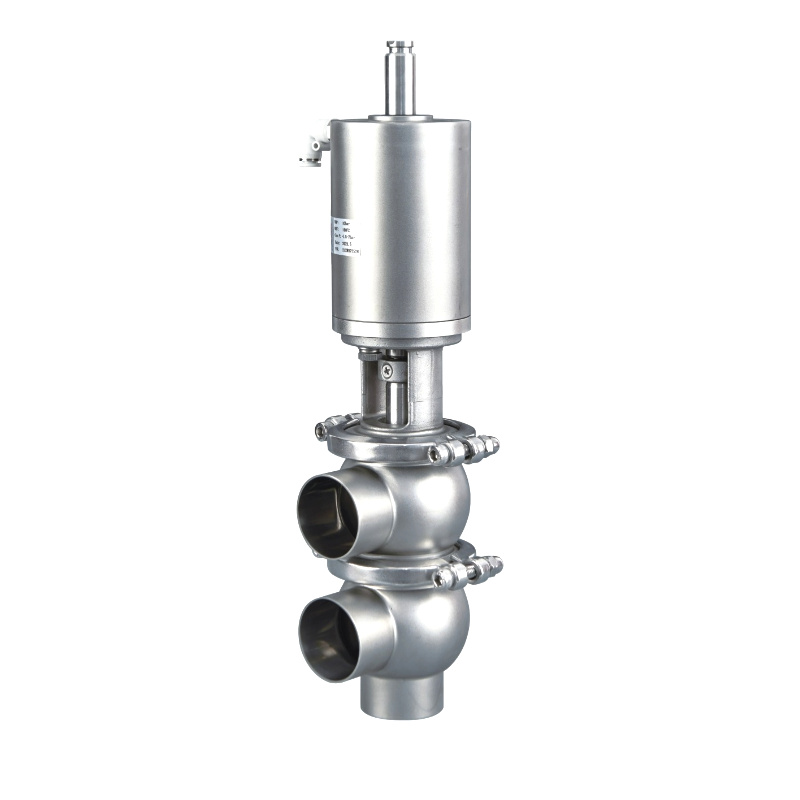
Procurement teams often fixate strictly on the initial capital expenditure (Capex) of sanitary valves. Modeling the true Total Cost of Ownership (TCO) requires a broader perspective. You must factor in operating expenses (Opex). These expenses include seal replacement intervals, production downtime for scheduled maintenance, and massive CIP utility consumption. Inefficient valve geometries waste thousands of gallons of pure water and steam annually. A highly engineered globe valve offsets its higher upfront cost within the first year by drastically reducing utility usage and preventing batch loss.
Implementation carries specific mechanical risks. Undersizing pneumatic actuators creates severe operational dangers. If a pneumatic actuator lacks sufficient spring force or adequate air supply pressure, it fails to close completely. Fermenter lines operate under high pressure. An incomplete closure allows sterile boundaries to breach, ruining entire batches of valuable product. Actuators must feature fail-safe spring returns guaranteed to close against maximum pipeline resistance.
Pooling risks remain a severe threat if installation is handled poorly. Piping engineers must adhere to strict installation angles. Valves require precise orientation to ensure complete gravity draining. Even a two-degree deviation can cause microscopic fluid pooling. This residual liquid harbors bacteria after CIP phases conclude.
Document Verification: Audit all EN 10204 3.1 material certificates to ensure correct metallurgy before unboxing.
Elastomer Compliance: Verify FDA and USP Class VI compliance declarations for every polymeric seal and diaphragm.
Orientation Check: Review isometric piping drawings to confirm the valve body sits at the exact angle required for gravity draining.
Actuator Bench Test: Apply compressed air to the pneumatic actuator to verify complete stroking and confirm fail-safe spring closure speeds.
Surface Roughness Test: Utilize a profilometer to verify the internal Ra value strictly meets the 0.4 µm specification.
Audit your existing fermenter P&ID diagrams to identify high-risk dead-legs and outdated legacy valves.
Request physical trial valves from your vendor to perform in-house SIP cycle validation and riboflavin testing.
Verify all incoming EN 10204 3.1 material certificates and USP Class VI declarations against your strict internal quality checklists.
Establish a predictive preventive maintenance schedule based on documented PTFE seal lifecycle data.
Recalibrate all pneumatic actuator air supply pressures to ensure positive shut-off against maximum fermenter vessel resistance.
A: Antibiotic globe valves feature a strictly hygienic, crevice-free internal design. They offer complete self-draining capabilities to eliminate liquid pooling. Standard industrial valves use porous packing materials that trap bacteria. These specialized valves utilize USP Class VI approved sealing mechanisms. PTFE diaphragms or welded stainless bellows isolate the moving stem. This guarantees absolute process sterility.
A: Zero dead-leg designs prevent nutrient media from stagnating in hidden crevices. By eliminating these blind spots, the valve halts pathogen dormancy and stops biofilm formation. Standard CIP spray balls cannot mechanically scour deep dead-legs. Deadless geometry remains the only reliable defense against recurring batch contamination and regulatory audit failures.
A: These valves utilize highly engineered internal contours and specialized parabolic plugs. This design minimizes sudden pressure drops and fluid turbulence. The smooth, laminar flow profile protects fragile biological structures. It prevents mechanical tearing of live vaccines, CHO cells, and monoclonal antibodies during sensitive media dosing and final harvest phases.
A: PTFE seals deliver exceptional longevity in bioprocessing environments. They often last multiple years even under daily SIP temperature cycling of 130ºC at 3 bar pressure. Unlike standard EPDM or silicone elastomers, PTFE structurally resists high-temperature embrittlement. It avoids thermal degradation and prevents swelling caused by aggressive CIP chemicals.
A: Yes. The specialized parabolic plugs found in these globe valves provide excellent dual functionality. They allow operators to perform highly precise, proportional flow modulation for dosing thick nutrient media. Simultaneously, they deliver reliable, bubble-tight shut-off capabilities to securely isolate high-pressure sterile boundaries during critical production phases.
A: Preventing rouge requires specifying low-ferrite 316L or 1.4435 stainless steel. You must utilize electropolishing to achieve an internal surface roughness below 0.4 µm Ra. This enriches the protective chromium layer. Facilities must also maintain strict control over chloride levels in CIP chemicals to prevent microscopic surface pitting.
A: Procuring valves for a GMP environment requires comprehensive material traceability. You must obtain EN 10204 3.1 material certificates for all wetted metals. You need certified surface finish reports. You must also secure FDA and USP Class VI declarations for all plastics. Finally, require complete Factory Acceptance Test (FAT) data.


