

Views: 0 Author: Site Editor Publish Time: 2026-06-24 Origin: Site


The 3pc ball valve is a popular choice for industrial fluid control thanks to its reliable sealing, easy maintenance, and flexible operation options.In this article, it covers the characteristics of manual, pneumatic and electric 3-piece ball valves; by comparing these three types, it can help you choose the right solution for your application, budget and level of automation. What Is a 3psc Ball Valve? Manual 3pc Ball Valve: Simple and Cost-Effective Control Pneumatic Actuated 3pc Ball Valve : Fast Automation for Demanding Lines Electric Actuated 3pc Ball Valve: Remote Control Without Compressed Air Manual vs Pneumatic vs Electric 3pc Ball Valve Comparison Application Guide by Industry How to Choose the Right 3 Piece Stainless Steel Ball Valve Why Choose KONTE for 3pc Ball Valves? FAQ Core Keyword: 3psc ball valve , 3 piece stainless steel ball valve, ball valve, Industrial valve A 3psc ball valve, also called a three-piece ball valve, uses a center body with two end caps. This structure allows the valve body to be disassembled for cleaning, seat replacement, or maintenance without replacing the whole valve.Compared with one-piece or two-piece valves, a 3-piece design is more suitable for systems that require regular service, cleaning, or sterilization. KONTE’s Three-Piece Threaded Ball Valve is available for manual operation and can also be equipped with pneumatic or electric actuators for automation. A 3 piece stainless steel ball valve is commonly used for water, oil, gas, steam, acidic media, alkaline media, and corrosive or non-corrosive fluids. Stainless steel 304 and 316 options are often selected for chemical processing, food and beverage processing, pharmaceutical systems, and industrial pipelines. A 3psc ball valve is a strong choice when your process needs reliable sealing, easy maintenance, and long service life. A manual ball valve is operated by a lever, handle, or gear mechanism. It is the simplest option for opening and closing a 3pc ball valve. Manual valves are best for pipelines where operators do not need frequent switching or remote control. They are easy to install, low in cost, and simple to inspect. For many water, HVAC, and utility systems, manual control is enough. Typical applications include: Water Treatment isolation lines HVAC Systems Utility water and air lines Small Food & Beverage process lines Equipment maintenance bypass lines For larger valves or higher torque conditions, a gear-operated design may be used. KONTE also provides options such as Stainless Steel Gear Operated Trunnion Mounted Ball Valve for demanding industrial conditions. Choose a manual ball valve when your priority is simple shut-off, low cost, and easy field operation. A pneumatic actuated 3pc ball valve uses compressed air to drive the actuator and rotate the valve ball. It is one of the most common choices for automated shut-off in industrial plants. Pneumatic actuation is suitable for high-cycle service because it offers fast response, strong torque output, and reliable operation. It is often selected where quick shut-off, batch control, or emergency action is required. Pneumatic actuators are also widely used in oil, chemical, power, and process automation systems because they can be configured with fail-open or fail-close spring-return functions. A pneumatic automated ball valve is recommended for: Oil & Gas pipelines Chemical Processing lines Power Generation systems Paper & Pulp processes High-cycle Food and beverage processing equipment Automated production skids KONTE’s Pneumatic National Standard Flange Ball Valve and Stainless Steel 304 Pneumatic Slim Ball Valve with High Platform are designed for automated industrial flow control. A pneumatic actuated 3pc ball valve is the right choice when your system needs fast cycling, high torque, and dependable automated shut-off. An electric actuated 3pc ball valve uses an electric motor to rotate the valve ball. It is often chosen when compressed air is not available or when the valve must be integrated into a PLC, DCS, or building automation system. Electric 3pc ball valves are useful for remote operation, stable on/off control, and systems where actuation speed does not need to be as fast as pneumatic control. They are common in water treatment, HVAC, building automation, chemical systems, and general industrial pipeline automation. KONTE’s electric actuator ball valve content also highlights use in water treatment, chemical industry, HVAC systems, and industrial pipeline automation. KONTE’s Electric Flanged Ball Valve – Stainless Steel Motorized Valve for On/Off Control features stainless steel construction, 90-degree operation, and options for industrial automation integration. Electric actuated 3pc ball valves are suitable for: Water Treatment plants HVAC Systems Pharmaceutical Industry utilities Food & Beverage process control Remote pipeline stations Low-to-medium cycle automation An electric actuated 3pc ball valve is ideal when you need remote control but do not have a compressed-air system. The right 3psc ball valve depends on how often the valve operates, how fast it must respond, and what power source is available on site. In Food and beverage processing, stainless steel valves are commonly selected for cleanliness, corrosion resistance, and easy cleaning. A manual 3pc ball valve may be enough for simple isolation. For automated filling, dosing, CIP, or batching lines, pneumatic or electric actuation is usually more efficient. For hygienic systems, KONTE also provides Sanitary Valves for food, pharmaceutical, and biotech industries. Water treatment plants often use manual valves for basic isolation and electric actuated 3pc ball valves for remote control. Pneumatic actuated 3pc ball valves are useful on automated skids where compressed air is already available. In Oil & Gas, pneumatic actuated 3pc valves are often preferred because they offer fast response and strong fail-safe options. Material selection, pressure rating, sealing structure, and actuator safety configuration should be checked carefully. Chemical processing requires attention to media compatibility. Stainless steel body material, PTFE or RPTFE seats, pressure class, temperature range, and corrosion resistance must match the fluid. For frequent operation, pneumatic automation is often selected. The Pharmaceutical Industry requires valves that support cleanliness, repeatability, and controlled operation. A 3 piece stainless steel ball valve can be useful where maintenance, cleaning, or sterilization is part of the process. Power generation systems often need durable valves for water, steam, auxiliary systems, and chemical dosing. Pneumatic valves are preferred for fast shut-off, while electric actuated 3pc ball valves are suitable for remote operation. Paper and pulp processes may involve fibers, particles, and abrasive media. Valve selection should focus on flow path, sealing durability, and resistance to clogging. For media with fibers or fine solids, KONTE’s Pneumatic V Ball Valve can provide shearing and self-cleaning capability. In HVAC Systems, manual ball valves are often used for isolation, while electric actuated 3pc ball valves are widely used for building automation and remote water or steam control. Different industries need different actuation methods, but the same rule applies: match the valve to the media, cycle frequency, safety requirement, and control system. Start with the media. Water, oil, gas, steam, chemical fluids, and slurry each require different body materials, seat materials, and sealing structures. Next, confirm pressure, temperature, connection type, and valve size. A 3psc ball valve may be threaded, flanged, socket welded, butt welded, or customized according to pipeline standards. Then decide the operation method: Choose a manual ball valve for low-cost, low-frequency isolation. Choose a pneumatic actuated 3pc ball valve for fast cycling, fail-safe operation, and compressed-air systems. Choose an electric actuated 3pc ball valve for remote control, PLC integration, and sites without air supply. Also check actuator torque. The actuator must be strong enough to open and close the valve under real working pressure, temperature, and media conditions. Finally, consider maintenance. The main benefit of a 3-piece design is that the center body can be serviced more easily than many compact valve structures. KONTE’s three-piece valve design supports easy disassembly, cleaning, repair, and multiple actuation options. For most industrial users, the best 3 piece stainless steel ball valve is the one that matches the media, operating frequency, automation level, and maintenance plan. KONTE provides industrial valves, sanitary valves, valve actuators, and actuator accessories for process automation. The company offers Ball Valves, Industrial Valves, pneumatic actuated valves, electric actuated valves, and customized valve solutions. KONTE’s product range supports industries such as petroleum, natural gas, chemical processing, food and pharmaceutical systems, power, and water treatment. Its website states that the company is backed by more than 30 years of manufacturing expertise and exports products to over 60 countries. KONTE can support manual valve supply and automated ball valve configurations for demanding industrial applications. A 3psc ball valve usually means a three-piece ball valve. It has a center body and two end connections, making it easier to disassemble and maintain. The main advantage is easy maintenance. The valve can be serviced, cleaned, or repaired more conveniently than many one-piece valve designs. A manual ball valve is operated by hand. An automated ball valve uses a pneumatic or electric actuator for remote or automatic operation. Choose a pneumatic actuated 3pc ball valve when your system needs fast response, frequent cycling, strong torque, or fail-safe shut-off. Choose an electric actuated 3pc ball valve when compressed air is not available and the valve must be controlled by electrical signals, PLC, DCS, or building automation systems. Yes. A stainless steel 3psc ball valve can be suitable for food and beverage processing when the material, seat design, connection type, and cleaning requirements match the process.Table of Contents
1. What Is a 3psc Ball Valve?
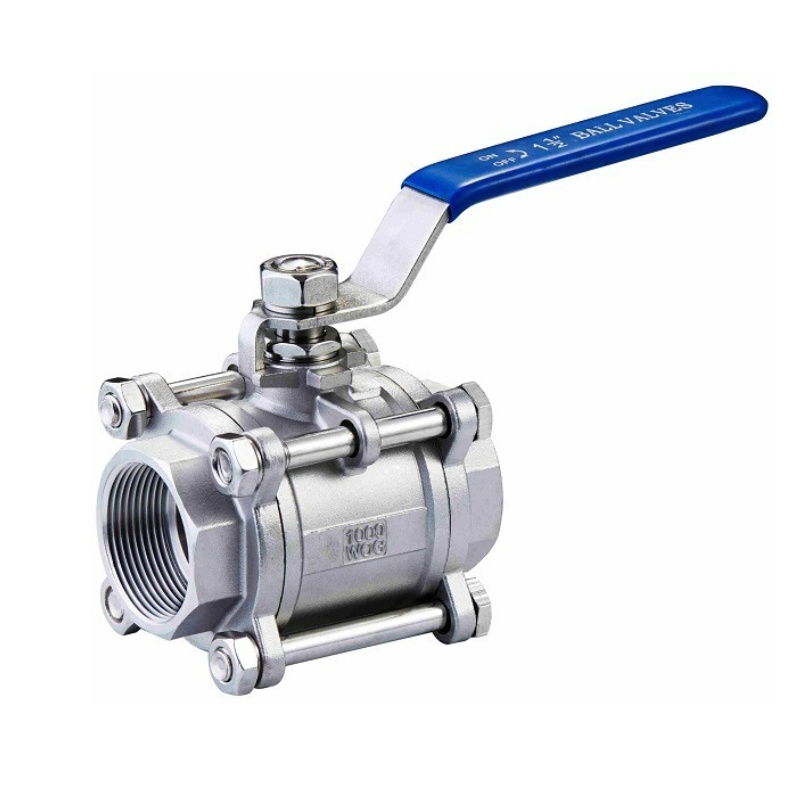
2. Manual 3pc Ball Valve: Simple and Cost-Effective Control
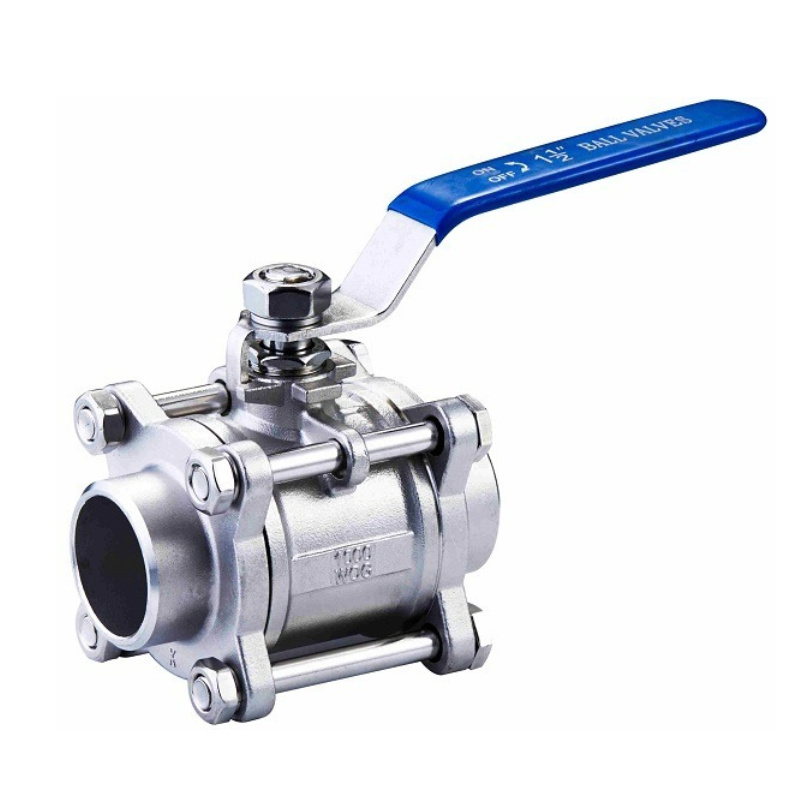
3. Pneumatic Actuated 3pc Ball Valve: Fast Automation for Demanding Lines
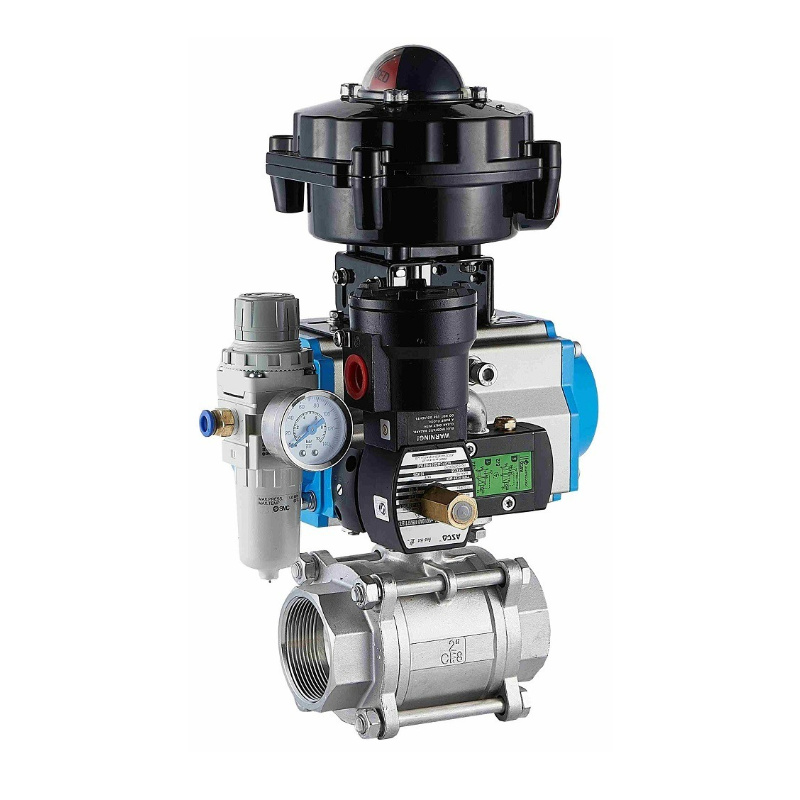
4. Electric Actuated 3pc Ball Valve: Remote Control Without Compressed Air
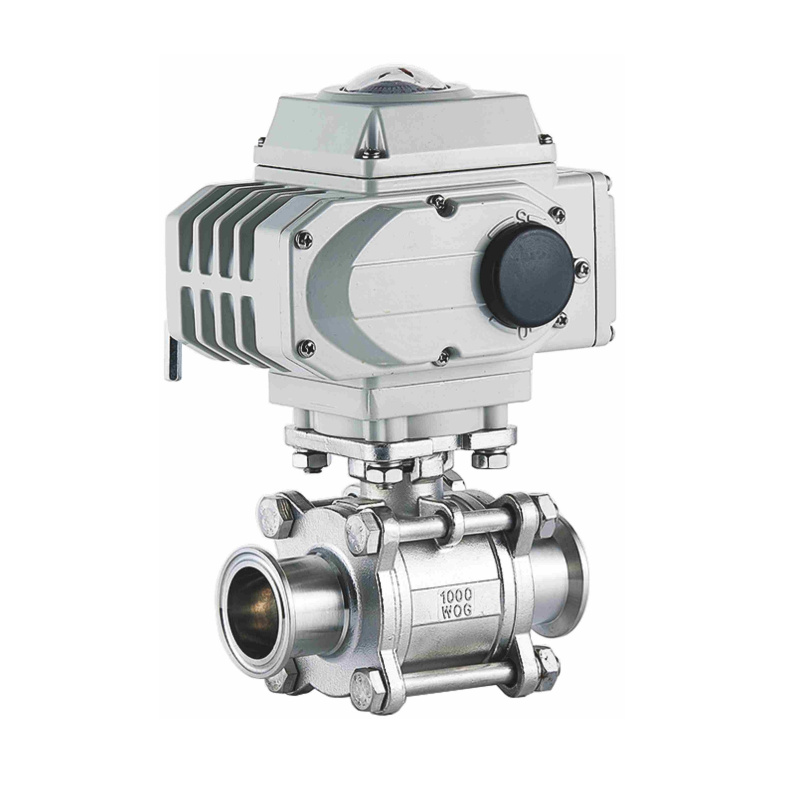
5. Manual vs Pneumatic vs Electric 3pc Ball Valve Comparison
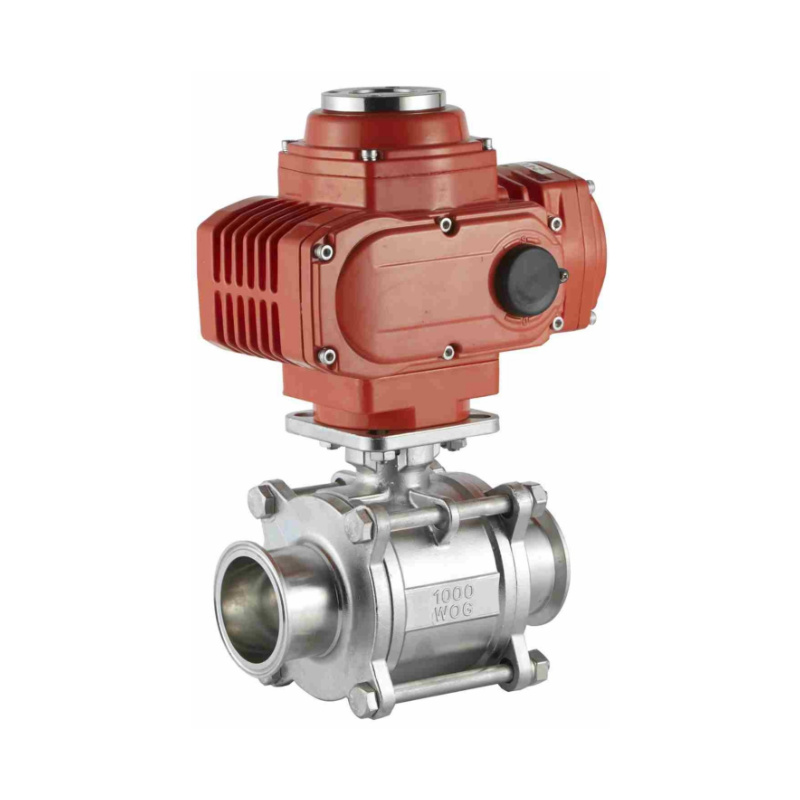
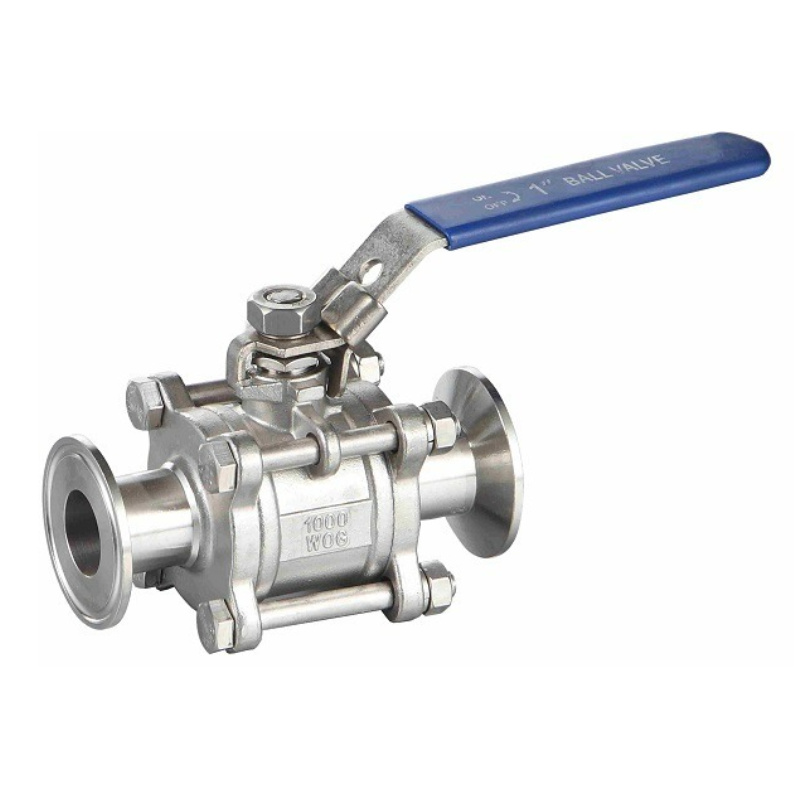
Selection Factor Manual Ball Valve Pneumatic Actuated 3pc Ball Valve Electric Actuated 3pc Ball Valve Power Source Human operation Compressed air Electricity Automation Level None High Medium to high Operating Speed Slow Fast Moderate Best Use Simple isolation High-cycle automation Remote on/off control Fail-Safe Function Operator dependent Strong spring-return option Depends on actuator design Installation Cost Lowest Medium Medium to high Maintenance Focus Valve seats and seals Air supply, actuator, seals Wiring, motor, control unit Typical Industries HVAC, Water Treatment Oil & Gas, Chemical Processing, Power Generation Water Treatment, HVAC, Food & Beverage Best Choice When Operation is infrequent Fast response is critical Air supply is unavailable 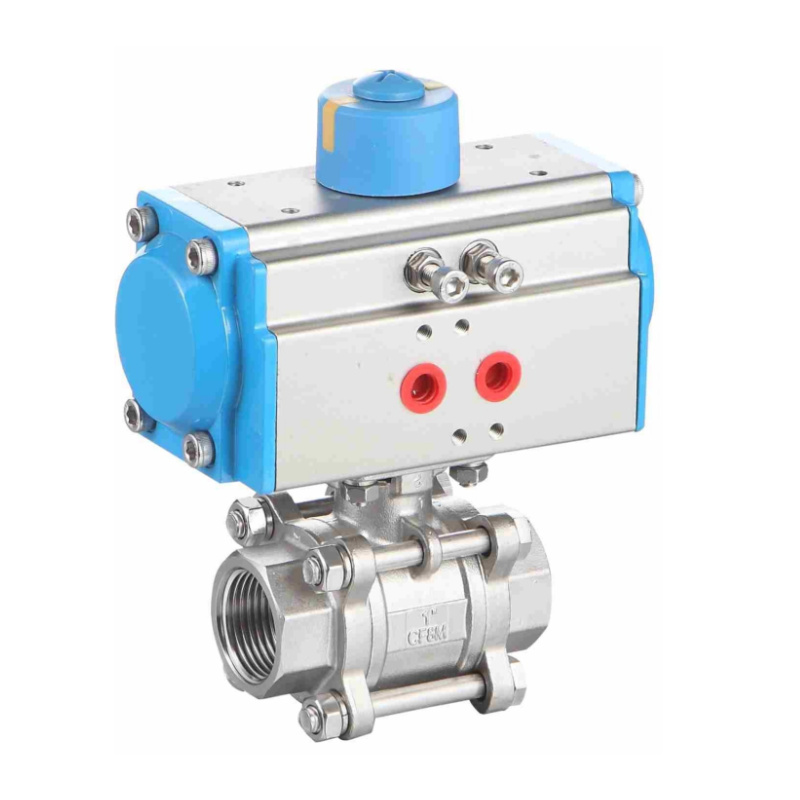
6. Application Guide by Industry
6.1 Food and Beverage Processing
6.2 Water Treatment
6.3 Oil & Gas
6.4 Chemical Processing
6.5 Pharmaceutical Industry
6.6 Power Generation
6.7 Paper & Pulp
6.8 HVAC Systems
7. How to Choose the Right 3 Piece Stainless Steel Ball Valve
8. Why Choose KONTE for 3pc Ball Valves?
9. FAQ
Q1 What does 3psc ball valve mean?
Q2 What is the main advantage of a 3 piece stainless steel ball valve?
Q3 What is the difference between a manual ball valve and an automated ball valve?
Q4 When should I choose a pneumatic actuated 3pc ball valve?
Q5 When should I choose an electric actuated 3pc ball valve?
Q6 Is a 3psc ball valve suitable for food and beverage processing?


