

Views: 0 Author: Site Editor Publish Time: 2026-02-03 Origin: Site


Industrial pneumatic diaphragm valves represent a critical component in modern fluid control systems, particularly where contamination prevention, corrosion resistance, and reliable operation are paramount. This comprehensive guide examines the distinctive features that make pneumatic diaphragm valves indispensable across biopharmaceuticals, food and beverage processing, chemical manufacturing, and steam production facilities. From material selection and actuation mechanisms to maintenance requirements and performance specifications, understanding these key characteristics enables engineers and procurement professionals to make informed decisions when specifying valve solutions for demanding industrial environments.
Introduction
What Are Pneumatic Diaphragm Valves?
Core Design Components
Key Features and Benefits
Material Construction Options
Actuation and Control Systems
Industry Applications
Selection Criteria
Maintenance and Service Life
Conclusion
FAQ
The evolution of fluid control technology has placed diaphragm valves at the forefront of industrial process control, particularly in applications demanding absolute cleanliness, chemical resistance, and operational reliability. Unlike traditional gate or ball valves, industrial diaphragm valves employ a unique design philosophy that physically separates the flow media from the valve's operating mechanism through a flexible diaphragm barrier.
When combined with pneumatic actuation, these valves deliver automated control capabilities that enhance process efficiency while maintaining the sanitary and corrosion-resistant properties that define the diaphragm valve category. As a leading diaphragm valves manufacturer, the industry continues to innovate with advanced materials, precision engineering, and application-specific designs that meet the stringent requirements of modern industrial processes.
This article explores the technical features, operational advantages, and practical considerations that distinguish pneumatic diaphragm valves as the preferred solution for critical fluid handling applications across multiple industries.
Pneumatic diaphragm valves are automated fluid control devices that combine the contamination-free design of diaphragm valves with the efficiency and precision of pneumatic actuation systems. The fundamental operating principle involves using compressed air to drive an actuator that flexes a flexible diaphragm against a weir or seat, thereby controlling flow through the valve body.
The valve operates through a straightforward yet effective mechanism: compressed air enters a pneumatic actuator chamber, generating force that pushes a stem connected to a compressor plate. This plate presses the flexible diaphragm against the valve weir, creating a seal that stops fluid flow. When air pressure releases, a return spring lifts the diaphragm, allowing fluid to pass through the valve opening.
This design offers several inherent advantages over conventional valve types. The diaphragm creates a complete barrier between the process fluid and all metal working components including the stem, actuator, and bonnet assembly. This isolation prevents contamination in sanitary applications and protects metal components from corrosive chemicals in industrial processes.
The pneumatic actuation system transforms manual diaphragm valves into automated control elements capable of integration with modern process control systems. Pneumatic operation provides rapid response times, fail-safe capabilities through spring-return mechanisms, and compatibility with hazardous area classifications where electric actuators may pose explosion risks.
Understanding the individual components that comprise a pneumatic diaphragm valve provides insight into how these valves achieve their unique performance characteristics.
The valve body serves as the primary pressure-containing component and determines flow characteristics. Diaphragm valve manufacturers offer various body styles including:
Straight-through bodies providing minimal pressure drop
Weir-type bodies optimizing shutoff performance
Full-bore designs enabling unrestricted flow for viscous media
Tank bottom configurations for complete drainage applications
Body materials range from stainless steel for pharmaceutical and food applications to aluminum alloy for weight-sensitive installations and plastic materials including PP, PVDF, and PVC for highly corrosive chemical service.
The diaphragm represents the most critical wear component, directly contacting process media while providing the sealing element. Modern industrial diaphragm valves utilize advanced elastomers and composite materials engineered for specific service conditions:
PTFE (Teflon) for universal chemical resistance and temperatures to 230°C
EPDM rubber for steam, hot water, and mild chemical applications
FKM (Viton) for petroleum products and aggressive solvents
Silicone for food-grade applications requiring FDA compliance
Diaphragm design incorporates reinforcement fabrics that balance flexibility with structural integrity, preventing premature failure while maintaining responsive actuation characteristics.
The pneumatic actuator converts compressed air pressure into mechanical force. Key actuator features include:
Piston or diaphragm-type air chambers generating linear force proportional to supply pressure. Spring-return mechanisms enabling fail-open or fail-closed operation during air supply loss. Adjustable stroke limiters allowing precise positioning and throttling control. Visual position indicators confirming valve status from a distance.
High-quality actuators incorporate stainless steel springs, corrosion-resistant housings, and precision-machined components ensuring reliable operation across millions of cycles.
Sanitary valves utilize specialized connection methods optimizing cleanability and process integration:
Tri-clamp connections for quick disassembly and cleaning verification
Flanged designs for permanent installations and larger line sizes
Threaded ends for smaller diameter applications
Butt-weld configurations for ultra-high purity systems
Pneumatic diaphragm valves deliver distinctive advantages that address specific industrial challenges across diverse applications.
The complete isolation of process media from external mechanical components eliminates potential contamination pathways. No packing glands, stem seals, or lubricants contact the fluid stream, making these valves ideal for diaphragm valve applications in biopharmaceuticals where product purity is non-negotiable.
This design philosophy extends to surface finish specifications, with electropolished internals achieving Ra values below 0.4 microns, preventing bacterial adhesion and enabling effective CIP/SIP cleaning protocols.
Corrosion diaphragm valves excel in aggressive chemical environments by eliminating wetted metal surfaces. The diaphragm and body lining materials resist a broad spectrum of chemicals including:
Strong acids (hydrochloric, sulfuric, nitric)
Caustic solutions (sodium hydroxide, potassium hydroxide)
Organic solvents (acetone, methanol, toluene)
Oxidizing agents (hydrogen peroxide, chlorine compounds)
This corrosion resistance extends valve service life in chemical processing applications where conventional valves fail rapidly due to material degradation.
The flexible diaphragm conforms to seating surfaces, compensating for minor irregularities and achieving bubble-tight shutoff classifications. This sealing capability maintains effectiveness even as the diaphragm experiences wear, with many installations achieving years of leak-free operation before diaphragm replacement becomes necessary.
Unlike many on-off valve types, industrial diaphragm valves provide effective flow modulation across their operating range. The progressive diaphragm deflection creates predictable flow characteristics suitable for automated process control applications requiring proportional valve positioning.
The simple mechanical design with minimal moving parts reduces maintenance demands. Regular service typically involves only periodic diaphragm inspection and replacement, with actuator components requiring minimal attention beyond occasional lubrication of moving surfaces.
Pneumatic actuation enables integration with distributed control systems (DCS), programmable logic controllers (PLC), and process automation platforms. Positioners and feedback devices provide precise valve positioning and status confirmation, supporting advanced control strategies including cascade control, ratio control, and emergency shutdown sequences.
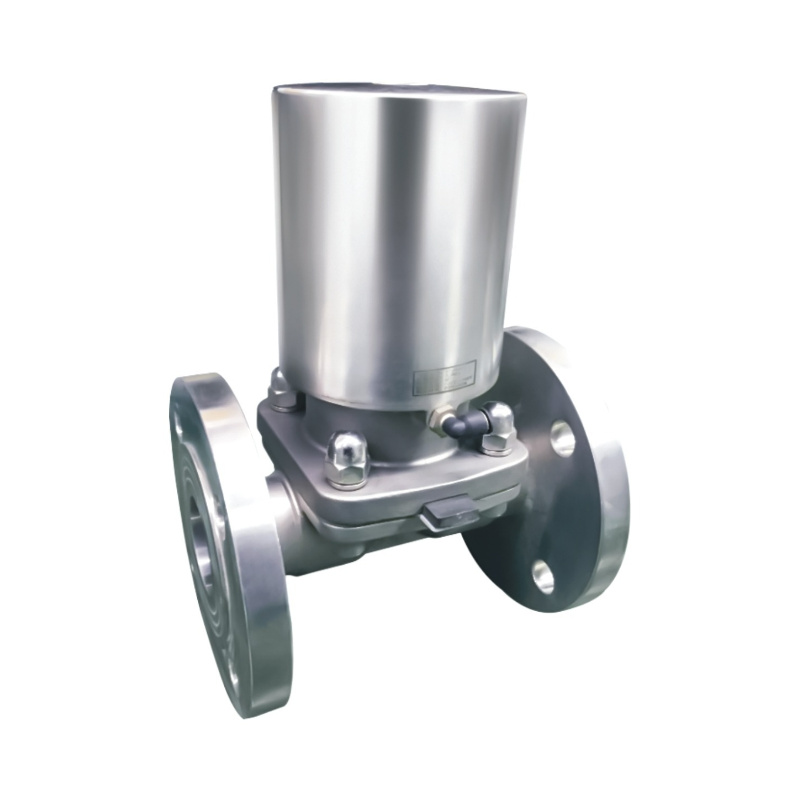
Material selection critically influences pneumatic diaphragm valve performance, compatibility, and service life across different process conditions.
| Material | Temperature Range | Chemical Resistance | Applications | Key Advantages |
|---|---|---|---|---|
| 316L Stainless Steel | -20°C to 200°C | Excellent for most acids, bases, and solvents | Pharmaceuticals, food processing, biotechnology | Superior strength, sanitary surface finish, autoclavable |
| Aluminum Alloy | -40°C to 150°C | Limited to mild chemicals and neutral media | Compressed air systems, water treatment | Lightweight, cost-effective, excellent heat dissipation |
| Polypropylene (PP) | -10°C to 100°C | Outstanding acid resistance, good base resistance | Chemical processing, wastewater treatment | Excellent chemical resistance, economical |
| PVDF | -20°C to 140°C | Exceptional resistance to most chemicals | Aggressive chemical handling, semiconductor manufacturing | Superior chemical resistance, high purity |
| Cast Iron (Lined) | -10°C to 120°C | Dependent on lining material | General industrial, water systems | Economical for large sizes, robust construction |
Choosing appropriate diaphragm materials ensures compatibility with process media and temperature conditions:
PTFE-backed diaphragms provide universal chemical resistance for virtually any process fluid, withstanding continuous temperatures to 230°C. The inert PTFE surface prevents chemical attack while fabric reinforcement provides mechanical strength.
EPDM rubber diaphragms excel in diaphragm valve applications for steam production and hot water systems, offering excellent heat resistance and resilience across repeated thermal cycles.
FKM elastomers resist petroleum products, solvents, and aggressive chemicals where EPDM would degrade, making them suitable for fuel handling, solvent recovery, and chemical synthesis operations.
The pneumatic actuation system determines valve response characteristics, automation capabilities, and fail-safe behavior.
Proper actuator sizing ensures adequate force generation across the full range of operating pressures. Undersized actuators may fail to achieve complete closure at maximum differential pressure, while oversized actuators waste compressed air and increase system costs.
Engineers calculate required actuator force by considering:
Maximum operating pressure differential
Valve size and flow coefficient
Diaphragm material stiffness
Safety factor for aging and wear
Pneumatic diaphragm valves accept various control signals enabling integration with different automation architectures:
On-off solenoid control provides simple two-position operation suitable for batch processes and emergency shutdown applications. Three-way solenoid valves direct air supply to achieve rapid valve actuation.
Analog control with positioners enables proportional valve positioning based on 4-20mA control signals. Electronic positioners convert electrical signals to precise pneumatic pressure adjustments, maintaining valve position accuracy within ±1% of full stroke.
Digital fieldbus communication supports HART, Foundation Fieldbus, and Profibus protocols for advanced diagnostics, predictive maintenance, and process optimization capabilities.
Spring-return actuators provide inherent fail-safe behavior during air supply interruption or power loss. Design options include:
Fail-closed (FC) configuration where spring force closes the valve when air pressure releases, protecting downstream equipment or preventing product loss.
Fail-open (FO) design allowing spring force to open the valve during power failure, maintaining cooling water flow or preventing process freeze-up.
Fail-in-place (FIP) actuators maintain the last commanded position using mechanical locks or trapped air volume, preserving process conditions during momentary power interruptions.
Pneumatic diaphragm valves serve critical roles across diverse industrial sectors where their unique features address specific process requirements.
The diaphragm valve for biopharmaceuticals represents the gold standard for sterile fluid handling in pharmaceutical production. These applications demand absolute contamination prevention, validation-friendly designs, and compliance with regulatory standards including FDA 21 CFR Part 11 and EU GMP Annex 1.
Specific biopharmaceutical applications include:
Cell culture media transfer systems
Sterile buffer distribution networks
Chromatography column switching
Clean-in-place (CIP) circuit control
Steam-in-place (SIP) sterilization systems
Aseptic filling and packaging lines
The smooth internal surfaces and crevice-free construction prevent bacterial colonization while enabling effective cleaning validation. Tri-clamp diaphragm valves facilitate routine disassembly for inspection and physical cleaning verification.
Diaphragm valve applications for food and beverages leverage sanitary design principles ensuring product safety and quality. The 3-A Sanitary Standards compliance and FDA-approved materials provide confidence in food-contact applications including:
Dairy processing (milk, cream, yogurt, cheese production)
Beverage production (soft drinks, juices, beer, wine)
Ingredient handling (syrups, flavors, colorants)
CIP systems for tanks and processing equipment
Steam injection and heating applications
The gentle flow control prevents product damage while maintaining the taste, appearance, and nutritional properties of sensitive food products.
Corrosion diaphragm valves handle aggressive chemicals safely and economically throughout the chemical manufacturing industry. Applications span:
Acid and base production and distribution
Solvent recovery and purification systems
Chemical dosing and injection systems
Reactor feed control
Wastewater neutralization processes
Electroplating and metal finishing operations
The chemical resistance of advanced diaphragm materials extends to chlorinated hydrocarbons, strong oxidizers, and mixed chemical streams that would rapidly destroy conventional valve materials.
Municipal and industrial water treatment facilities utilize industrial diaphragm valves for chemical feed systems, sludge handling, and process control applications. The resistance to particulate-laden fluids and chemical additives ensures reliable long-term operation in demanding environmental conditions.
Ultra-high purity (UHP) chemical delivery systems in semiconductor fabrication require contamination-free valve designs preventing metallic ion introduction that could compromise wafer quality. Electropolished stainless steel pneumatic diaphragm valves with PTFE diaphragms meet these stringent purity requirements.
Specifying appropriate pneumatic diaphragm valves requires systematic evaluation of process conditions, performance requirements, and installation constraints.
| Selection Factor | Considerations | Impact on Performance |
|---|---|---|
| Flow Coefficient (Cv) | Process flow rate, allowable pressure drop | Undersized valves create excessive pressure loss; oversized valves reduce control accuracy |
| Pressure Rating | Maximum operating pressure, surge conditions | Must exceed maximum system pressure with safety margin |
| Temperature Range | Process temperature, ambient conditions | Determines diaphragm material selection and body material compatibility |
| Chemical Compatibility | Process media composition, concentration | Dictates body and diaphragm material selection |
| Connection Size and Type | Pipeline dimensions, installation method | Affects flow characteristics and mounting requirements |
| Actuation Speed | Process control requirements | Determines actuator size and air supply specifications |
| Fail-Safe Mode | Safety requirements, process consequences of failure | Specifies spring-return configuration (FC, FO, or FIP) |
Sanitary applications require 3-A certified designs with electropolished surfaces, tri-clamp connections, and drainable configurations preventing fluid accumulation. Documentation including material certificates and surface finish verification support regulatory compliance.
Corrosive service demands careful material selection considering concentration, temperature, and potential contamination. Compatibility charts from reputable diaphragm valves manufacturers provide guidance, but laboratory testing of actual process fluids ensures long-term reliability.
High-cycle applications benefit from heavy-duty actuators with extended-life springs and reinforced diaphragms. Specifying higher-grade materials extends service intervals in automated systems performing thousands of daily cycles.
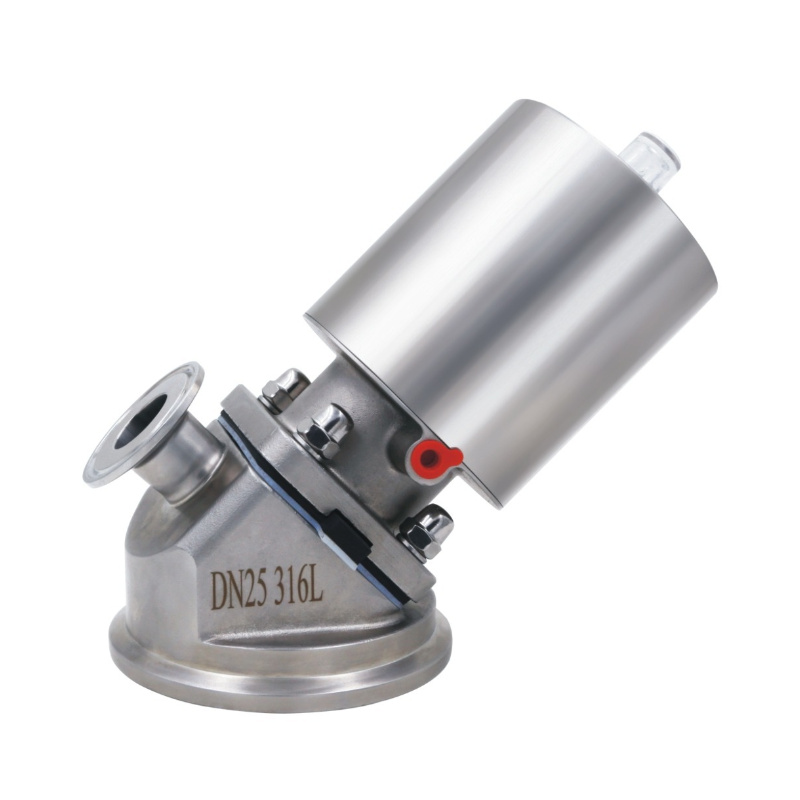
Proper maintenance practices maximize pneumatic diaphragm valve performance and extend operational life, reducing total cost of ownership.
Visual inspection schedules should include:
External actuator condition checking for corrosion or damage
Position indicator verification confirming proper stroke
Air supply connection examination for leaks
Diaphragm visual assessment through transparent bonnets (where available)
Mounting bolt torque verification preventing loosening
Functional testing validates performance through stroke timing measurements, shutoff verification, and positioning accuracy checks for modulating applications.
The flexible diaphragm represents the primary wear component requiring periodic replacement. Service intervals depend on:
Operating pressure differential
Cycle frequency
Process temperature
Chemical aggressiveness
Diaphragm material selection
Typical service life ranges from 500,000 to 2,000,000 cycles under moderate conditions, with some applications achieving 5+ years of continuous operation before replacement.
Replacement procedures involve simple bonnet removal, diaphragm exchange, and reassembly following manufacturer guidelines. Many designs enable field replacement without removing the valve from the pipeline, minimizing downtime.
Advanced installations incorporate condition monitoring technologies:
Valve signature analysis detecting abnormal friction patterns
Acoustic emission monitoring identifying diaphragm cracking
Position feedback comparison revealing mechanical wear
Air consumption trending indicating seal degradation
These techniques enable proactive maintenance scheduling before failures occur, supporting reliability-centered maintenance (RCM) programs.
Working with manufacturers maintaining rigorous quality control programs and appropriate certifications ensures consistent product quality and performance. Key certifications include ISO 9001 quality management, pressure equipment directives (PED), and industry-specific standards like 3-A Sanitary Standards.
Industrial pneumatic diaphragm valves represent sophisticated fluid control solutions combining contamination-free operation, exceptional chemical resistance, and automated actuation capabilities. Their unique design philosophy addressing specific industrial challenges makes them indispensable across biopharmaceutical manufacturing, food processing, chemical production, and numerous other applications where conventional valves cannot meet performance requirements.
Understanding the key features explored in this guide—from material selection and actuator configurations to application-specific considerations and maintenance requirements—enables informed specification decisions that optimize process performance, ensure regulatory compliance, and minimize lifecycle costs.
As process industries continue advancing toward greater automation, tighter quality control, and enhanced operational efficiency, pneumatic diaphragm valves will remain essential components enabling these improvements while maintaining the fundamental performance characteristics that have established their reputation for reliability in demanding service.
Partnering with experienced diaphragm valves manufacturers providing comprehensive technical support, extensive product ranges, and proven quality systems ensures successful valve selection and long-term operational success across diverse industrial applications.
Q1: What is the main advantage of pneumatic actuation over manual operation for diaphragm valves?
Pneumatic actuation enables automated remote control, integration with process control systems, and fail-safe operation during power loss. It also provides faster response times and consistent actuation force compared to manual operation, making it essential for automated processes and emergency shutdown systems.
Q2: How do I determine the correct diaphragm material for my chemical application?
Consult chemical compatibility charts from valve manufacturers, considering the specific chemical composition, concentration, and operating temperature. For critical applications or mixed chemicals, request material testing or contact the manufacturer's technical support for guidance on the most suitable diaphragm material.
Q3: Can pneumatic diaphragm valves be used for throttling control or only on-off service?
Pneumatic diaphragm valves effectively provide throttling control when equipped with pneumatic positioners that convert 4-20mA control signals into precise valve positions. The progressive diaphragm deflection creates predictable flow characteristics suitable for automated process control applications requiring modulating valve operation.
Q4: What is the typical service life of a diaphragm in industrial applications?
Diaphragm service life varies significantly based on operating conditions but typically ranges from 500,000 to 2,000,000 cycles. Factors affecting longevity include pressure differential, cycle frequency, temperature, chemical aggressiveness, and diaphragm material selection. Some applications achieve 5+ years of operation before replacement is required.
Q5: How do I specify fail-safe mode (fail-open vs. fail-closed) for a pneumatic diaphragm valve?
Specify fail-safe mode based on process safety requirements. Choose fail-closed (FC) when valve closure during power loss prevents product loss or protects downstream equipment. Select fail-open (FO) when maintaining flow during emergencies is critical, such as cooling water systems or freeze protection applications. Consult process hazard analysis (PHA) documentation for guidance.


