

Views: 0 Author: Site Editor Publish Time: 2026-02-25 Origin: Site


In the biopharmaceutical industry, ensuring the sterility of samples is paramount to guarantee product safety and efficacy. Aseptic sampling valves serve as the critical conduit between storage vessels and analytical equipment, directly influencing the integrity of the sampling process. This article provides a thorough analysis of the operational principles, various valve types, and selection criteria for aseptic sampling valves. By leveraging the expertise and product range of China Konte, manufacturers can design sampling systems that align with GMP standards and uphold the highest levels of sample sterility.
Industry Landscape and Market Trends
Core Functions of Aseptic Sampling Valves
Valve Types and Selection Guide
Quality Control and Compliance Standards
Procurement Recommendations
Frequently Asked Questions (FAQ)
The global biopharmaceutical market is experiencing rapid growth, driven by advancements in monoclonal antibodies, cell therapies, and vaccine production. This expansion has heightened the demand for high-purity process equipment, with aseptic sampling valves being a critical component. According to recent market analyses, the global market for aseptic valves is projected to exceed $10 billion by 2025, reflecting an annual growth rate of 8-10% .
Regulatory scrutiny on sampling processes has intensified. Regulatory bodies such as the FDA and EMA have issued stringent guidelines emphasizing the need for robust contamination control measures. Recent industry reports highlight that inadequate sampling practices remain a leading cause of batch failures and product recalls. Consequently, manufacturers are prioritizing the integration of advanced aseptic valve technologies that offer superior reliability, ease of cleaning, and compliance with USP <797> and EU GMP Annex 1 standards.
Aseptic sampling valves perform three fundamental functions that are essential for maintaining product integrity:
These valves act as a physical barrier, preventing external microorganisms (e.g., bacteria, fungi) from entering the sterile environment of the vessel. By utilizing sealed diaphragm or double block-and-bleed designs, the valve ensures that the process stream remains isolated from the external environment during both idle and sampling states .
During the sampling operation, the valve must swiftly transition between closed and open states to prevent the introduction of air bubbles or contaminants. High-quality valves ensure minimal dead volume and rapid sealing, preserving the original composition of the sample for accurate analytical testing.
Given the rigorous cleaning requirements in biopharma processes, aseptic valves must withstand Steam-In-Place (SIP) and Clean-In-Place (CIP) procedures. The valve’s internal surfaces must be smooth and free of crevices to avoid biofilm formation and ensure thorough sterilization .
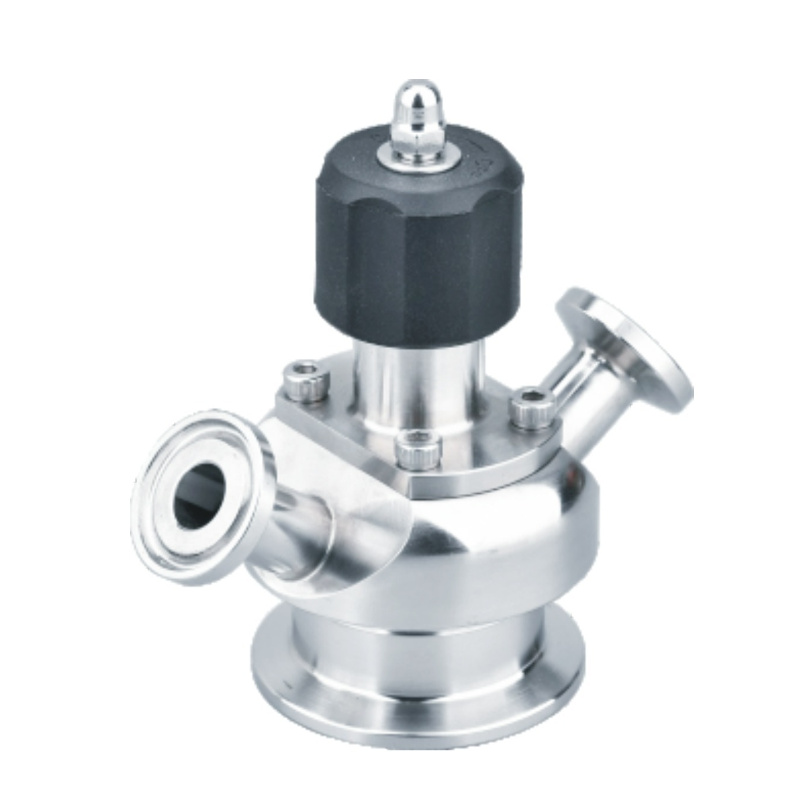
Choosing the right type of aseptic sampling valve depends on the specific process requirements, such as the need for remote operation, sampling frequency, and the nature of the product. Below is a comparative analysis of the primary valve types available in the market:
| Valve Type | Operation Mode | Suitable Applications | Advantages | Disadvantages |
|---|---|---|---|---|
| Pneumatic Aseptic Sampling Valve | Operated via pneumatic pressure | Processes requiring remote or automated control (e.g., large fermentation tanks) | Eliminates manual handling, reduces contamination risk | Higher initial cost; requires additional pneumatic infrastructure |
| Manual Aseptic Sampling Valve | Handwheel or lever operation | Low-frequency sampling, small-scale vessels | Simple design, low cost, easy maintenance | Requires manual operation, potential for human error |
| Clamped Aseptic Sampling Valve | Utilizes a clamping mechanism for sealing | Applications needing frequent valve changes or quick maintenance | Easy to install/remove, excellent sealing performance | Slightly higher installation cost |
| Integrated Sterile Aseptic Sampling Valve | Combines multiple functions (e.g., sampling, flushing, venting) in one unit | Space-constrained processes requiring multi-step operations | Saves space, reduces the number of connections | Complex design, higher maintenance complexity |
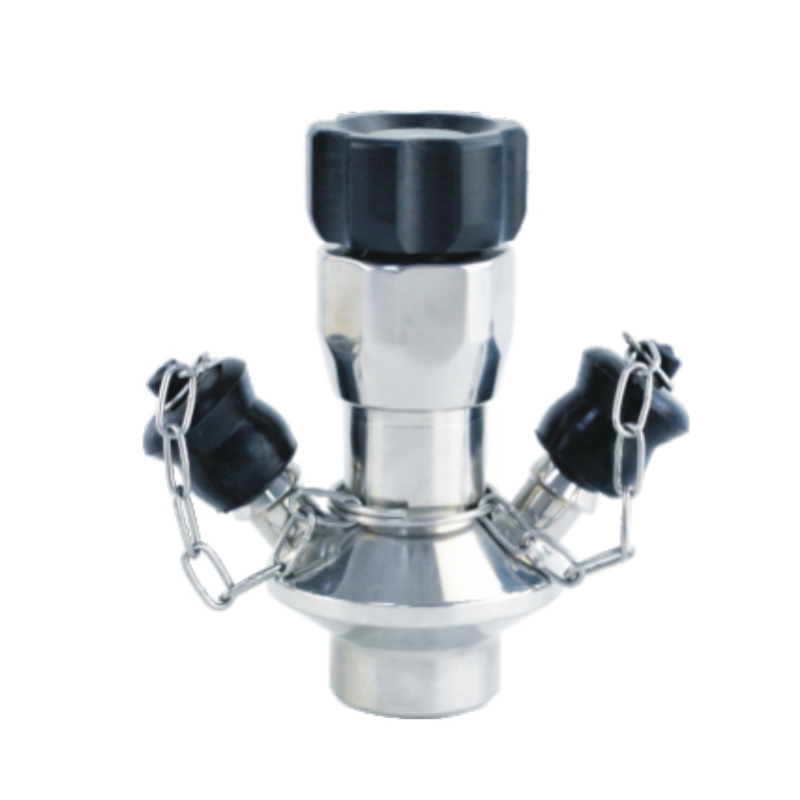
| Double Nozzle Aseptic Sampling Valve | Features two independent sampling ports | Processes requiring simultaneous sampling from different depths or lines | High flexibility, prevents backflow contamination | Highest cost, most complex structure |
For CIP/SIP Compatibility: If your process mandates steam sterilization, opt for pneumatic or clamped designs. These valves typically offer superior sealing capabilities and can endure high-pressure steam without compromising integrity .
For High Sampling Frequency: In high-throughput environments (e.g., large-scale bioreactors), pneumatic valves enhance operational efficiency and minimize operator exposure.
For Cost-Conscious Operations: For low-frequency sampling (e.g., cleaning validation), manual valves are economical but require strict adherence to aseptic techniques.
Beyond functionality, aseptic sampling valves must meet rigorous quality and compliance standards:
Material Specifications: Valve bodies are typically constructed from 316L stainless steel or dual-phase stainless steel. Internal components, such as diaphragms and seals, must be made from PTFE or EPM to ensure chemical resistance and sterility.
Surface Finish: The internal surface roughness (Ra) should be ≤ 0.8 µm to minimize microbial adhesion and facilitate cleaning .
Leakage Performance: Valves must demonstrate zero leakage under a minimum pressure of 5 bar for both gas and liquid applications.
Certifications: Reputable manufacturers should provide ISO 9001 certification, CE marking, and compliance documentation for GMP and USP standards.
When sourcing aseptic sampling valves, consider the following procurement checklist:
Verify Technical Specifications: Ensure the valve’s pressure rating, temperature tolerance, and connection type (flanged, threaded) align with your process design.
Request Quality Documentation: Obtain the Material Test Report (MTR), Certificate of Conformance (CoC), and Installation Qualification (IQ) reports for each valve.
Assess After-Sales Support: Confirm the availability of technical support, spare parts, and on-site maintenance services.
Customization Options: For specialized applications, inquire about custom lengths, special fittings, or integrated sensors.
China Konte offers a comprehensive range of aseptic sampling solutions, including Pneumatic Aseptic Sampling Valves, Manual Aseptic Sampling Valves, and Double Nozzle Aseptic Sampling Valves, all adhering to stringent quality control standards .
Q1: Which valve type offers the highest level of sterility protection?
A: While all valve types can achieve sterility when properly maintained, pneumatic valves generally provide the highest level of protection due to their closed, automated operation, which eliminates manual handling and reduces contamination risk .
Q2: How often should the valve seals be replaced?
A: Valve seals should be inspected regularly and typically replaced every 12-24 months, depending on usage frequency and exposure to aggressive cleaning agents .
Q3: Can a single valve be used for both sampling and cleaning?
A: Yes, integrated sterile sampling valves are designed to handle both sampling and CIP/SIP processes, offering a seamless transition between operations without the need for valve removal .
Q4: What is the standard procedure for verifying valve sterility?
A: Sterility verification is usually performed through media fill simulations and bioburden testing after the valve has undergone SIP, ensuring no viable microorganisms remain .
Q5: Are there any special considerations for sampling high-viscosity products?
A: For high-viscosity products, select valves with larger orifices and robust actuation mechanisms to ensure smooth operation and prevent valve damage. Additionally, verify that the valve material is compatible with the product’s chemical composition.


