

Views: 0 Author: Site Editor Publish Time: 2026-05-13 Origin: Site


Sanitary globe valves are precision flow control devices designed specifically for hygienic processing environments. This article covers their main components, common types, and key industry applications to help engineers and procurement teams make informed decisions.
What Are Sanitary Globe Valves?
Main Components of Sanitary Globe Valves
Types of Sanitary Globe Valves
Applications of Sanitary Globe Valves
How to Choose the Right Sanitary Globe Valve?
FAQ
Core Keywords: Sanitary Globe Valves, Sanitary Valves, Sanitary Valve, Sanitary Valve Applications, Main Components, Valves Types
Sanitary globe valves are linear-motion valves engineered to regulate fluid flow in clean and sterile process systems. Unlike standard industrial globe valves, sanitary versions comply with strict hygienic standards — including FDA, 3-A, and GMP — making them indispensable in food, beverage, pharmaceutical, and biotechnology industries.
Their spherical body design enables precise throttling control, while polished internal surfaces prevent bacterial buildup and support cleaning-in-place (CIP) and sterilization-in-place (SIP) protocols without disassembly.
The valve body is typically manufactured from 316L or 304 stainless steel, selected for superior corrosion resistance and compliance with food-grade material requirements. Interior surfaces are electropolished to Ra ≤ 0.8 μm, eliminating dead zones where contaminants could accumulate.
The disc controls flow by moving toward or away from the seat ring, enabling precise regulation or complete shut-off. In sanitary applications, seals use PTFE, EPDM, or silicone materials to ensure tight, contamination-free closure. Replaceable seat rings reduce downtime and maintenance cost.
The stem transfers motion from the actuator to the disc. A properly sealed stem prevents process media from leaking externally, maintaining both system integrity and hygienic compliance. KONTE's sanitary globe valves incorporate blow-out proof stem designs for enhanced operational safety.
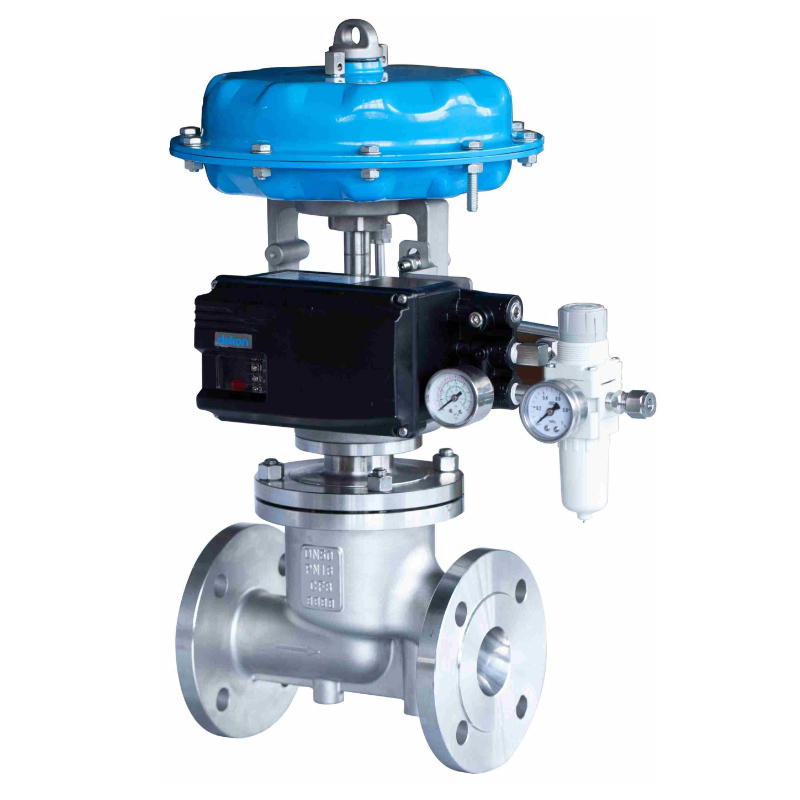
KONTE's Pneumatic sanitary globe valve range covers multiple drive methods to match different automation levels and process demands.
| Type | Drive Method | Best For | Key Feature |
|---|---|---|---|
| Manual Sanitary Globe Valve | Handwheel | Low-frequency operation | Simple, cost-effective |
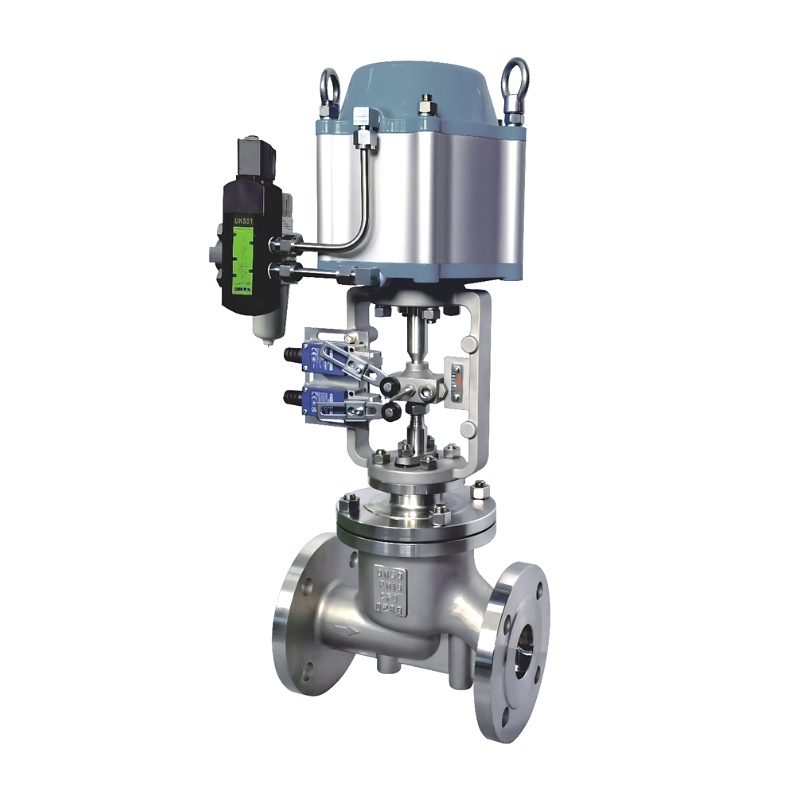
| Pneumatic Sanitary Globe Valve | Pneumatic actuator | Automated production lines | Fast response, high cycle life |
| Electric Sanitary Globe Valve | Electric actuator | Remote or precision control | Accurate positioning |
| Antibiotic Globe Valve | Pneumatic / Electric | Pharma & biotech sterile systems | Fully aseptic design |
Pneumatic and electric variants integrate seamlessly with PLC and DCS automation systems, making them the preferred choice for high-throughput, regulated manufacturing environments.
Sanitary globe valves serve as critical flow regulators wherever hygiene and precision are non-negotiable.
1) Food & Beverage: Controlling flow of dairy, juice, beer, and sauces where FDA-compliant wetted materials are mandatory and CIP cycles run frequently.
2) Pharmaceutical: Regulating purified water, water for injection (WFI), and active pharmaceutical ingredient (API) solutions under strict GMP conditions.
3) Biotechnology: Managing fermentation broth and bioreactor media that demand absolute sterility and precise flow modulation.
4) Chemical Processing: Handling mildly corrosive specialty media where stainless steel construction and tight sealing are essential.
KONTE provides tailored valve solutions across all these sectors. Explore our full range of industry-specific valve solutions to find the right fit for your process.
Selecting the correct sanitary globe valve depends on four core parameters:
1) Media Type: Consider viscosity, temperature, corrosiveness, and whether the fluid is sterile or particulate-laden.
2) Pressure and Temperature Range: Match the valve's rated working pressure and temperature limits to your system's peak operating conditions.
3) Connection Type: Choose tri-clamp, butt-weld, or threaded ends based on your pipeline design and quick-disassembly requirements.
4) Actuation Method: Manual actuation suits infrequent operation; pneumatic or electric actuation is essential for automated, high-frequency cycles.
For mission-critical applications, always source from a certified manufacturer. KONTE holds DNV, ISO 9001, CE, FDA, ATEX, SIL, and API certifications, enforced through a rigorous quality control process — including spectrometer detection, pressure testing, air tightness tests, and three-coordinate dimensional inspection.
Q1: What is a sanitary globe valve used for?
It is used to regulate fluid flow in hygienic systems such as food processing, pharmaceutical manufacturing, and biotechnology, where contamination prevention and precise flow control are critical.
Q2: What materials are sanitary globe valves made from?
Most are manufactured from 316L or 304 stainless steel for the body, with PTFE, EPDM, or silicone seals to meet hygienic, chemical resistance, and temperature requirements.
Q3: What is the difference between a sanitary globe valve and an industrial globe valve?
Sanitary versions feature electropolished internal surfaces, FDA/GMP-compliant materials, and CIP/SIP-compatible designs. Standard industrial globe valves are built for pressure and flow performance without these hygienic requirements.
Q4: Can sanitary globe valves be automated?
Yes. They can be paired with pneumatic or electric actuators, enabling full automation, remote control, and seamless integration with PLC or DCS process control systems.
Q5: What certifications should a sanitary globe valve manufacturer hold?
Look for ISO 9001, FDA, CE, and 3-A as a baseline. KONTE additionally holds DNV, ATEX, SIL, and API certifications for broader and more demanding application coverage.


