

Views: 0 Author: Site Editor Publish Time: 2026-09-10 Origin: Site


The sealing seat is one of the most important parts of a Butterfly Valve because it determines how reliably the valve isolates the medium. Soft seated and metal seated butterfly valves are designed for different combinations of temperature, pressure, media, leakage requirements, and service conditions. Choosing the wrong sealing structure can result in premature wear, leakage, or unnecessary maintenance.
This guide explains the differences between soft and metal seats, their advantages, limitations, applications, and selection criteria so buyers and engineers can choose a butterfly valve seal that fits the actual process.
What Is a Soft Seated Butterfly Valve?
What Is a Metal Seated Butterfly Valve?
Soft Seat vs. Metal Seat Butterfly Valve: Key Differences
Advantages and Disadvantages of Soft Seated and Metal Seated Butterfly Valves
Typical Applications of Soft Seated and Metal Seated Butterfly Valves
How to Choose the Right Butterfly Valve Seal?
FAQ
Core keywords: Butterfly Valve,Soft Seated Butterfly Valve, Metal Seated Butterfly Valve, High Performance Butterfly Valve,butterfly valve sealing structure, Pneumatic Butterfly Valve, Electric Butterfly Valve.
A soft seated butterfly valve uses an elastomer or polymer seat to create a seal between the valve disc and the valve body. Common seat materials include EPDM, NBR, PTFE, and RTFE. When the disc closes, the flexible seat conforms to the disc edge and fills small surface irregularities. This allows the valve to achieve a very tight shutoff with relatively low seating torque.
Soft seats are often selected when bubble-tight isolation is more important than resistance to extreme heat or abrasive particles. EPDM is commonly used for water-based media, while NBR can be suitable for certain oil-containing applications. PTFE and RTFE offer stronger chemical resistance and can be considered for compatible chemical media. However, the exact material must always be checked against the medium, temperature, pressure, and concentration.
The main limitation is that soft materials can lose their sealing performance when exposed to conditions beyond their design range. Excessive temperature can cause a soft seat to harden, swell, deform, or degrade. Abrasive solids can cut or wear the seat, while high differential pressure or vacuum conditions may cause extrusion if the valve is not designed for them.
For this reason, a soft seated butterfly valve is usually a good choice for water treatment systems, HVAC pipelines, general industrial fluids, and low-to-moderate temperature services. It should not be selected only because its initial price is lower. Seat compatibility and operating conditions are essential to long-term reliability.
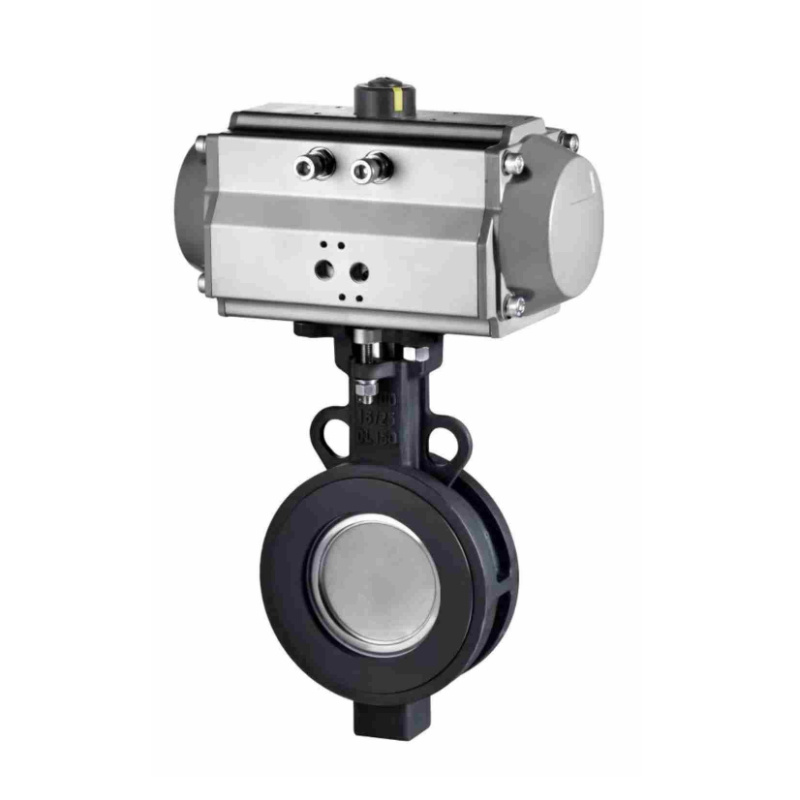
A metal seated butterfly valve uses metal sealing surfaces, often made from stainless steel, hardened alloys, or special wear-resistant materials. Depending on the design, the seating surfaces may use materials such as 316 stainless steel, Stellite, or other hardened alloys. These seats are intended to withstand severe operating conditions that could damage an elastomer or polymer seat.
Metal seats are suitable for applications involving high temperatures, high pressure differentials, abrasive media, frequent thermal cycling, or fire-safe requirements. They do not soften or melt in the same way as many soft materials. They can also provide better resistance to particles, ash, scale, and other solids that may be carried by the process fluid.
The trade-off is that metal-to-metal sealing normally requires more accurate machining and higher closing torque. A standard metal seated butterfly valve may have a higher allowable leakage rate than a soft seated valve. Metal seats are designed for durability under severe service, but they do not automatically provide zero leakage. The required leakage class must therefore be confirmed before ordering.
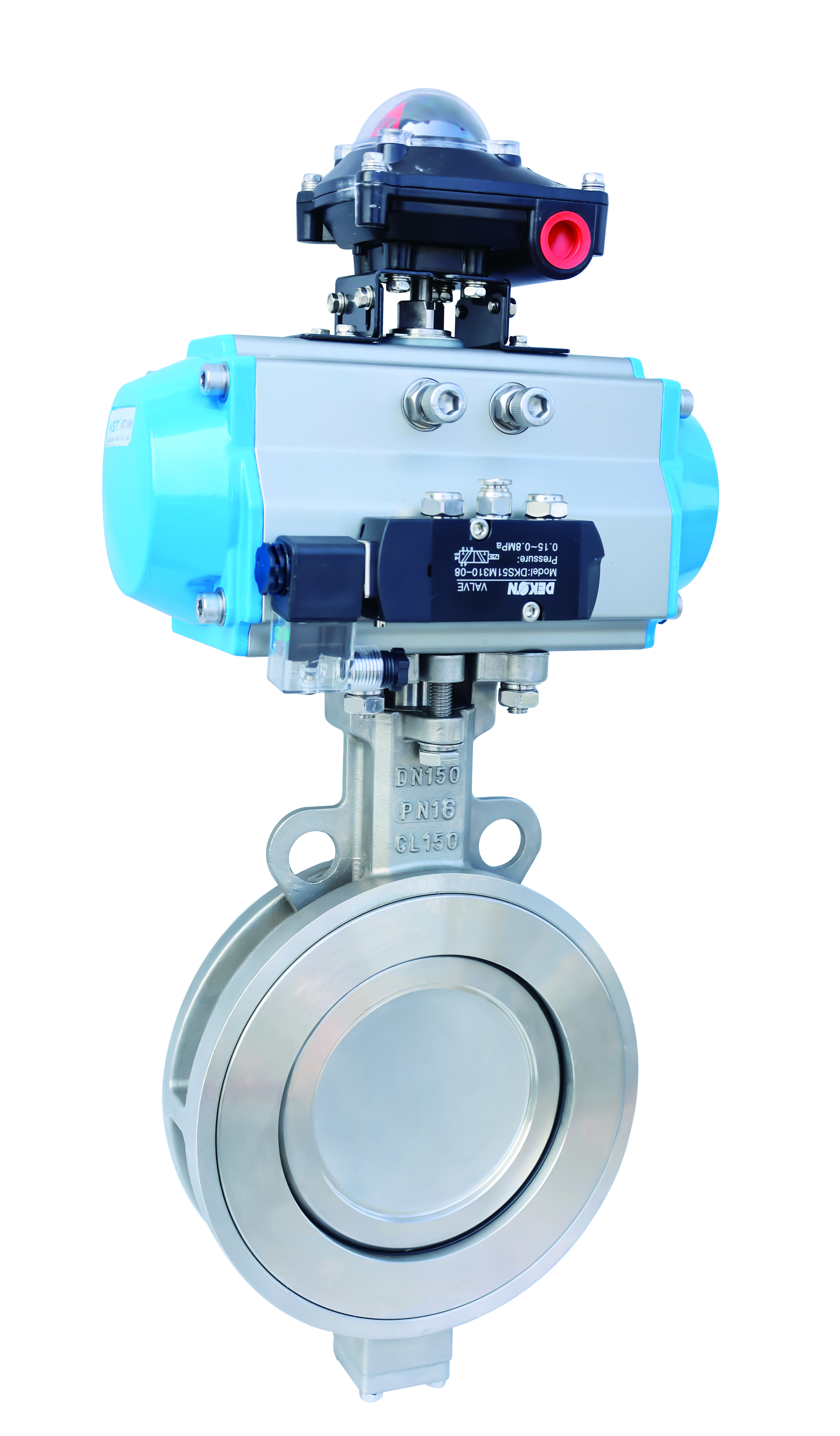
High Performance Butterfly Valve, especially double-offset and triple-offset designs, can improve the performance of metal seating. The offset geometry reduces rubbing between the disc and seat during opening and closing. A triple-offset design can create a cam-like, torque-seated action that helps reduce friction and wear while improving shutoff performance.

The best sealing structure depends on the complete process, not on one specification alone. Temperature, media characteristics, required leakage rate, pressure, operating frequency, and fire safety requirements should be evaluated together.
| Performance factor | Soft seated butterfly valve | Metal seated butterfly valve |
|---|---|---|
| Sealing material | EPDM, NBR, PTFE, RTFE, or other elastomers and polymers | Stainless steel, hardened alloys, Stellite, or other metal materials |
| Shutoff performance | Usually suitable for very tight or bubble-tight shutoff | Leakage depends on design and machining; commonly a higher class than soft seats unless an advanced design is used |
| Temperature resistance | Limited by the selected elastomer or polymer | Better suited to high-temperature service, subject to alloy and design limits |
| Abrasive media | Vulnerable to cutting, erosion, and extrusion | Better resistance to particles, slurry, ash, and wear |
| Chemical resistance | PTFE and related materials can perform well with compatible chemicals | Depends strongly on the selected alloy and process chemistry |
| Operating torque | Usually lower, which can reduce actuator size | Usually higher because of metal seating friction and contact forces |
| Fire-safe performance | May require a backup metal seat or fire-safe construction | More naturally suited to fire-safe applications, but certification still depends on the complete valve design |
| Initial cost | Often lower | Often higher because of materials, machining, and design requirements |
| Maintenance pattern | Seat replacement may be needed sooner in harsh service | Can provide a longer service life, but inspection and anti-galling control remain important |
Soft seats generally provide the tightest shutoff at a lower cost, while metal seats provide better durability in severe environments. A soft seat is not automatically unsuitable for industrial use, and a metal seat is not automatically the best option. The correct choice must match the process conditions.
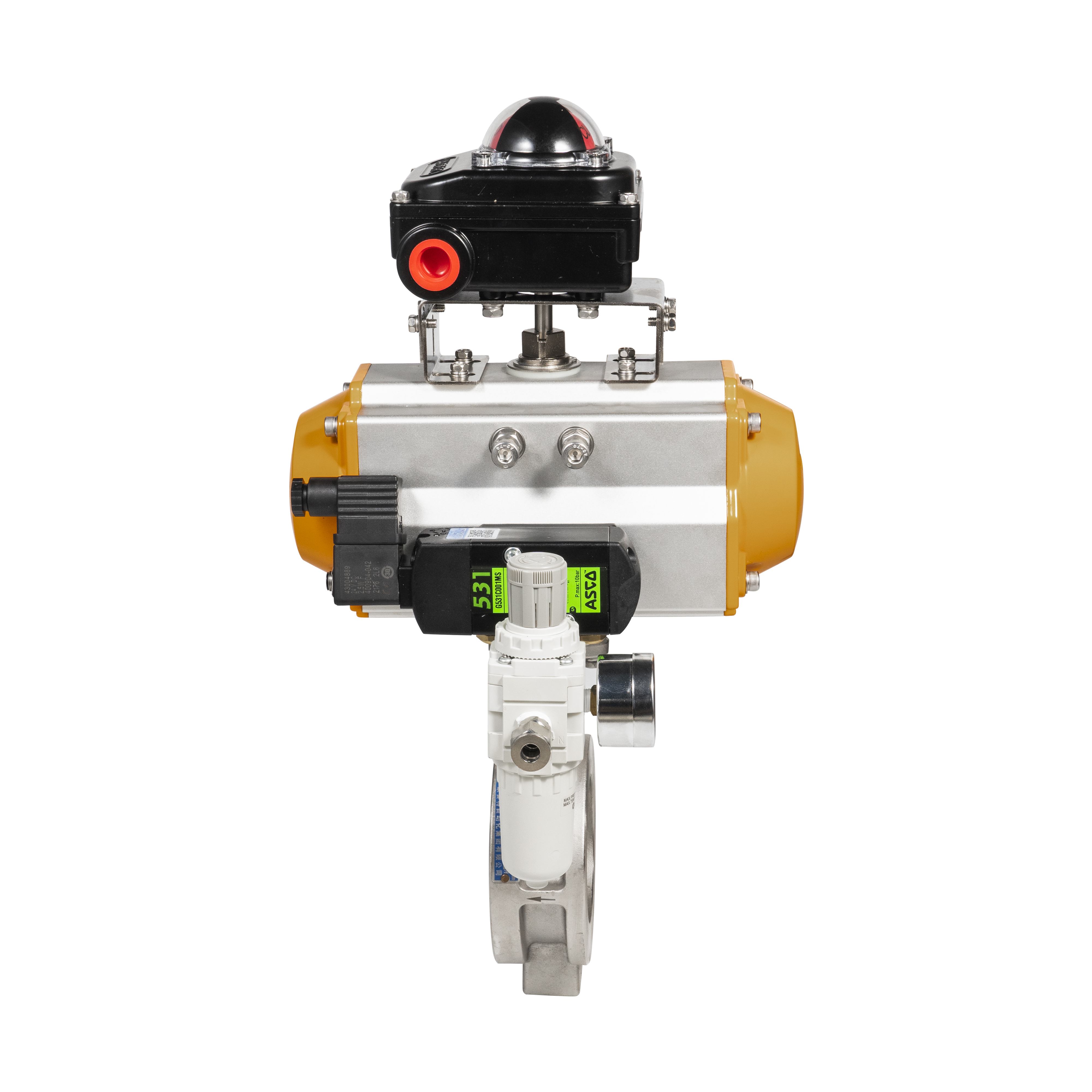
Actuation is another important difference. A soft seat normally requires less breakaway and seating torque. This can make a Pneumatic Butterfly Valve or Electric Butterfly Valve more compact and economical. A metal seat may require a larger pneumatic actuator, a higher-output electric actuator, stronger gearing, or a more detailed torque calculation. The final actuator must be sized using the manufacturer's torque data, including breakaway, running, seating, and emergency conditions.
Advantages:
Excellent shutoff performance: The flexible seat can conform closely to the disc and support bubble-tight isolation in suitable services.
Lower operating torque: Reduced friction can simplify manual operation and lower the actuator requirement.
Cost-effective construction: Soft seats are often economical to manufacture and replace.
Broad use in fluid control: They are commonly used with water, air, HVAC fluids, and compatible general industrial media.
Good chemical options: PTFE or RTFE may provide strong chemical resistance when properly matched to the medium.
Disadvantages:
Limited temperature range: High heat can harden, deform, or damage the seat.
Lower resistance to abrasion: Sand, ash, crystals, and other solids may wear the sealing surface quickly.
Possible extrusion under severe pressure: Incorrect selection for high differential pressure or vacuum conditions can lead to leakage.
Material compatibility concerns: Concentration, additives, cleaning chemicals, and fluid composition can affect service life.
Advantages:
Strong resistance to high temperature: Metal sealing surfaces are more appropriate for hot gases, steam-related services, and other severe thermal conditions when the valve design supports them.
Better wear resistance: Hardened metal surfaces can handle abrasive and particle-laden media more effectively.
Improved fire-safe potential: Metal components can help maintain containment when soft materials are exposed to fire.
Suitability for thermal cycling: Properly designed metal seats can tolerate repeated changes in operating temperature.
Long service potential: In a correctly specified application, metal seating may reduce frequent seat replacement.
Disadvantages:
Higher torque requirement: Metal-to-metal contact increases friction and can raise actuator and energy costs.
More demanding manufacturing: Sealing surfaces require accurate geometry, suitable materials, and controlled clearances.
Potential for galling: Incompatible alloys, contamination, or poor lubrication can damage the seating surfaces.
Leakage may be higher than with a soft seat: The valve must be selected according to the required leakage class rather than the seat material alone.
Higher purchase cost: Advanced high performance designs can require more specialized materials and manufacturing processes.
Butterfly valves are used across many industries because they are compact, lightweight, and suitable for both isolation and flow-control duties. The seat structure should be selected according to the medium and operating conditions in each system.
| Butterfly valve type | Typical applications | Selection focus |
|---|---|---|
| Soft Seated Butterfly Valve | Water treatment systems, cooling water, HVAC, air, and general industrial fluids | Tight shutoff, seat compatibility, temperature, and pressure |
| Metal Seated Butterfly Valve | High-temperature gas, abrasive process lines, power industry, and severe industrial service | Heat resistance, wear resistance, leakage class, and fire-safe requirements |
| Pneumatic Butterfly Valve | Automated water treatment, chemical processing, industrial fluid systems, and process pipelines | Available air pressure, actuator torque, control frequency, and fail position |
| Electric Butterfly Valve | Water systems, chemical equipment, HVAC, energy projects, and remote pipelines | Power supply, duty cycle, output torque, control signal, and enclosure protection |
| High Performance Butterfly Valve | Oil and gas, power industry, chemical processing, and high-pressure industrial lines | Offset design, pressure rating, thermal cycling, actuator sizing, and shutoff requirements |
In water treatment systems, soft seated valves are often preferred for clean water, filtered water, and compatible wastewater services because tight shutoff and simple operation are important. In the chemical industry, PTFE-based soft seats may be suitable for compatible chemicals, while metal seats may be required when the process involves high temperatures or abrasive particles.
In oil and gas systems, the choice may depend on pressure, fire-safe requirements, hydrocarbon compatibility, and whether the line carries solids. A High Performance Butterfly Valve with an offset metal seat can be considered for demanding isolation duties. In the power industry, high-temperature and thermal-cycling conditions may favor a metal seated design, but the complete valve rating must be reviewed.
For food and industrial fluid systems, the seat must also meet hygiene, cleanability, and media compatibility requirements. A soft seated configuration may be selected for suitable low-temperature fluids, while the final material should be verified against cleaning agents and process temperatures.
Use the following process when selecting a butterfly valve sealing structure:
Confirm the medium. Identify whether the line carries clean water, wastewater, oil, gas, chemicals, steam-related fluid, slurry, powder-laden gas, or another medium. Record chemical concentration and the presence of solids.
Check the operating and design temperature. Use both the normal operating temperature and the maximum or minimum design temperature. Do not select a soft seat based only on average temperature.
Define the pressure and differential pressure. Review line pressure, shutoff pressure, vacuum conditions, and possible pressure surges. These factors affect seat extrusion and actuator torque.
Set the leakage requirement. If the process requires bubble-tight isolation, a soft seat may be appropriate when the temperature and media are compatible. If severe-service durability is the priority, specify the required leakage class for the metal seated design.
Evaluate abrasion and erosion. Sand, ash, crystals, fibers, and other particles can shorten the life of soft seats. For abrasive service, compare a metal seat with a suitable high performance or triple-offset design.
Check chemical compatibility. Select EPDM, NBR, PTFE, RTFE, or a metal alloy only after checking compatibility with the actual fluid and cleaning chemicals.
Size the actuator correctly. A pneumatic butterfly valve and an electric butterfly valve must be matched to the valve's complete torque curve. Metal seats usually need a higher torque margin.
Review fire-safe and industry requirements. Oil and gas projects may require fire-safe testing or specific standards. Confirm whether the complete valve assembly—not only the seat material—meets the project requirement.
Consider total cost of ownership. Compare purchase price, actuator size, replacement frequency, downtime risk, inspection requirements, and maintenance access.
The safest specification is based on real process data rather than a general assumption that one seat type is always better. When conditions change during startup, cleaning, seasonal operation, or emergency shutdown, those conditions should also be included in the selection review.
Yes. Some double-offset or high performance butterfly valves use PTFE, RTFE, or other engineered soft seats. This combination can provide lower friction and tight shutoff for suitable temperature and media conditions. The valve's pressure, temperature, and seat-retention design must be confirmed before selection.
For many clean-water and general water-treatment isolation duties, a soft seated butterfly valve is a practical choice because it can provide tight shutoff with moderate torque. Metal seating may be more appropriate when the line contains abrasive solids, operates at elevated temperature, or has special fire-safe or severe-service requirements.
Not necessarily. Standard metal seats may allow a higher leakage rate than soft seats. Zero-leakage performance depends on the valve design, seat geometry, manufacturing accuracy, and applicable testing standard. If very tight shutoff is required, specify the target leakage class and confirm it with the manufacturer.
A pneumatic butterfly valve uses compressed air to operate the valve, while an electric butterfly valve uses a motor and gearbox. Pneumatic actuation can be useful for fast or frequent operation where an air supply is available. Electric actuation can be convenient for remote control where electrical power and control integration are preferred. In both cases, the actuator must match the required valve torque.
It is generally risky unless the valve and seat are specifically designed for that service. Abrasive particles can cut, erode, or displace a soft seat, leading to early leakage. A metal-seated butterfly valve or another abrasion-resistant valve design should be evaluated for slurry service.
There is no universal replacement interval. Service life depends on temperature, pressure, media, operating frequency, installation quality, and maintenance. Inspect the valve when leakage, increased operating torque, visible damage, or abnormal actuator behavior occurs. A correctly selected seat can significantly reduce unplanned replacement.


