

Views: 0 Author: Site Editor Publish Time: 2026-06-10 Origin: Site


An Electric Actuator Butterfly Valve combines a butterfly valve with an electric actuator to control pipeline flow automatically. It is widely used in water treatment, chemical processing, power generation, HVAC, food, pharmaceutical, pulp & paper, and oil & gas systems where reliable remote control is required.
This guide covers its components, working principles, advantages over manual or pneumatic options, industrial applications to help you you easily find the right KONTE valve solution for your needs.
What Is an Electric Actuator Butterfly Valve?
Key Components of an Electric Actuator Butterfly Valve
How Does an Electric Actuator Butterfly Valve Work?
Electric Actuator Butterfly Valve vs. Manual and Pneumatic Butterfly Valves
Main Benefits of Electric Butterfly Valves
Common Industrial Applications
How to Choose the Right Electric Actuator Butterfly Valve
Recommended KONTE Valve Solutions
FAQ
Core Keywords: Electric Actuator Butterfly Valve, Electric butterfly valve, Motorized butterfly valve, Automated butterfly valve, High performance butterfly valve, Industrial butterfly valve
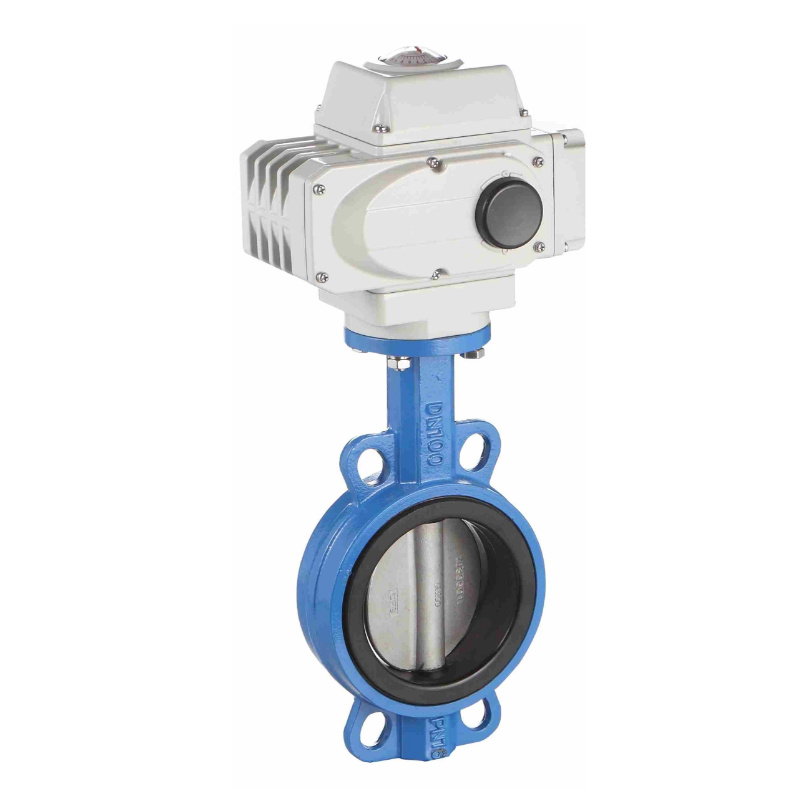
An Electric Actuator Butterfly Valveis a quarter-turn valve operated by an electric actuator. The actuator drives the valve stem, and the disc rotates inside the valve body to open, close, or regulate the pipeline flow.
It is also called a motorized butterfly valve, electric butterfly valve, or automated butterfly valve. Compared with manual valves, it allows remote operation through a control panel, PLC, or SCADA system.
An Electric Actuator Butterfly Valve is a compact and efficient solution for automated flow control in modern industrial pipelines.
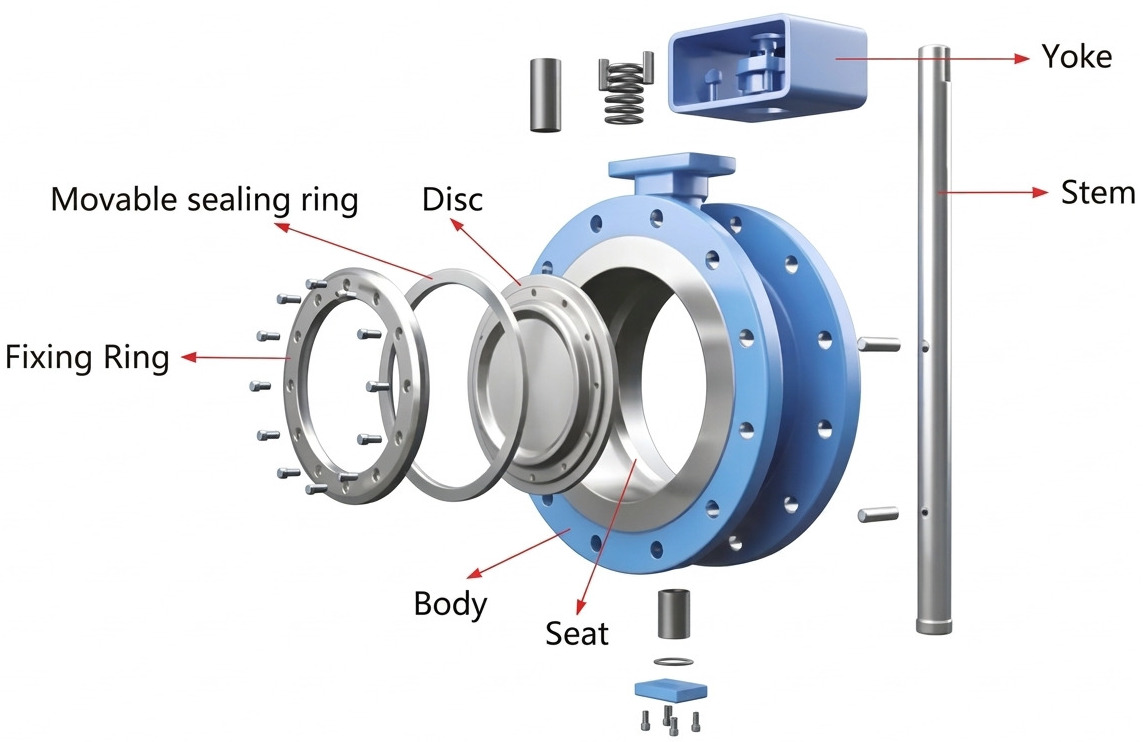
A complete electric butterfly valve normally includes the valve body, disc, stem, seat, sealing structure, and electric actuator.
The valve body connects to the pipeline. Common structures include wafer, lug, flanged, centerline, double eccentric, and triple eccentric designs.
The disc is the main flow control element. When it rotates, it changes the opening area inside the pipeline.
The seat and sealing system determine leakage performance and media compatibility. Rubber seats are often used for water and utility systems, while metal seats are preferred for high-temperature or severe service.
The electric actuator converts electrical power into rotary motion. It may include a motor, gearbox, limit switches, torque protection, manual override, and position feedback.
The actuator provides automation, while the valve body and sealing structure determine pressure, temperature, and media performance.
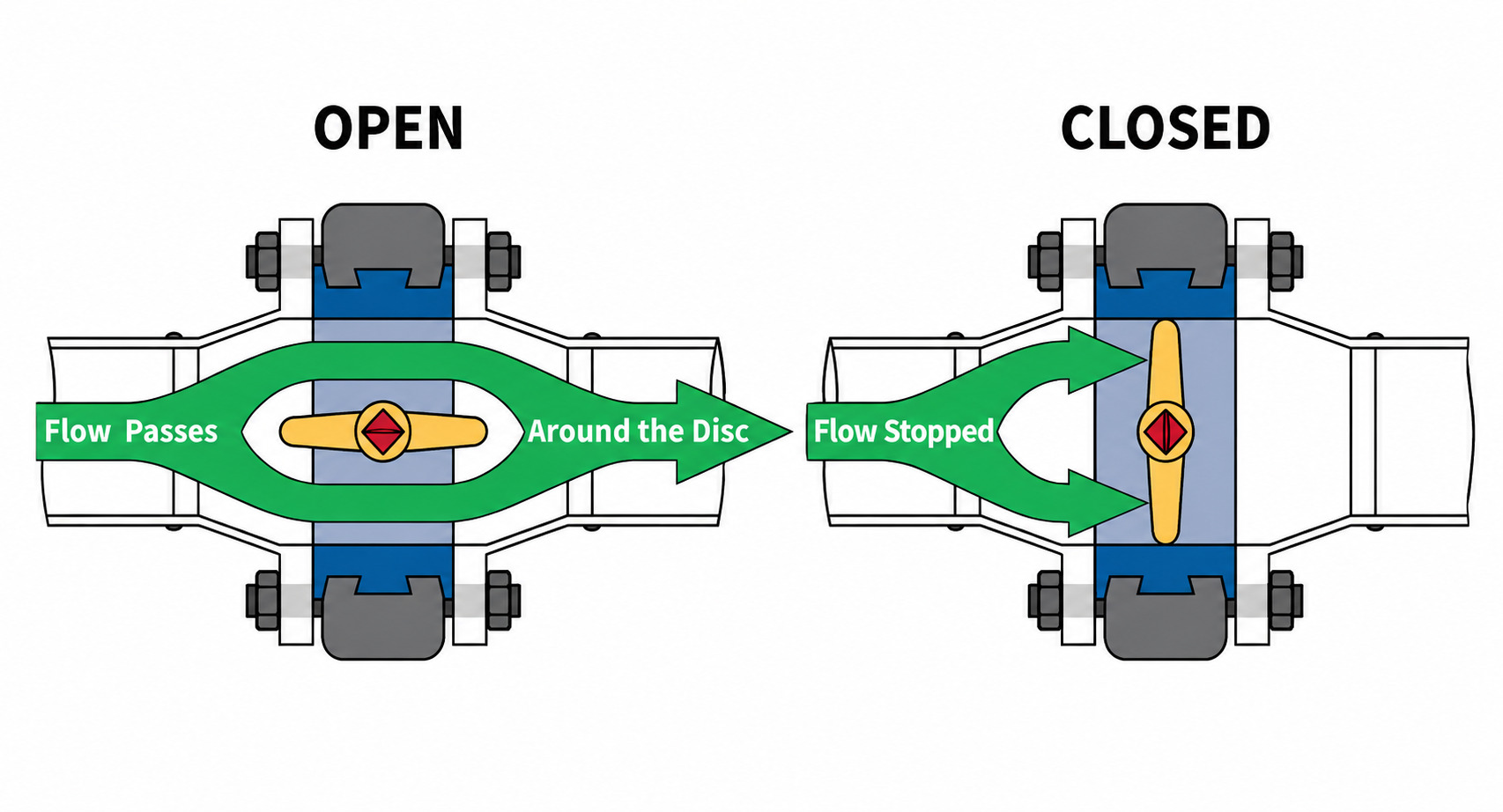
The working principle is straightforward. A signal is sent from the control system to the electric actuator. The actuator motor starts, the gearbox transfers torque to the valve stem, and the disc rotates inside the valve body.
When the disc is parallel to the flow direction, the valve is open.
When the disc is perpendicular to the flow direction, the valve is closed. For modulating service, the disc can stop at different angles to adjust flow rate.
Most butterfly valves use a 90-degree quarter-turn movement, which makes them fast, compact, and suitable for automated control. Quarter-turn electric actuators are commonly used for butterfly valves, ball valves, and similar rotary valves that require accurate positioning.
The electric actuator turns the valve stem, and the disc rotates to control the flow area inside the pipeline.
Different actuation methods suit different working conditions. The right choice depends on control requirements, site utilities, response speed, and maintenance planning.
| Valve Type | Power Source | Control Method | Best For | Main Advantage |
Manual butterfly valve | Hand lever or gearbox | Local operation | Simple pipelines | Low cost |
Pneumatic butterfly valve | Compressed air | Fast automated control | High-cycle systems | Quick response |
Electric actuator butterfly valve | Electricity | Remote or automated control | PLC/SCADA systems | Accurate positioning |
Electric actuators are often selected where stable control, easy wiring, and remote operation are required. Pneumatic actuators are better for very fast cycling when compressed air is available.
Compared with manual and pneumatic valves, an electric butterfly valve is ideal for precise remote control and industrial automation.
An electric butterfly valve offers reliable shut-off, flow regulation, and easy integration with automation systems.
Its compact design reduces installation space compared with many gate or globe valves. This is useful in water treatment systems, HVAC plants, and industrial utility pipelines.
Electric operation also reduces manual labor. Operators can control the valve from a central control room, improving safety in chemical processing plants, power generation facilities, and oil & gas pipelines.
For demanding services, a high performance butterfly valve can provide better sealing, higher pressure capability, and improved durability.
Electric butterfly valves help improve process efficiency, reduce manual operation, and support safer pipeline automation.
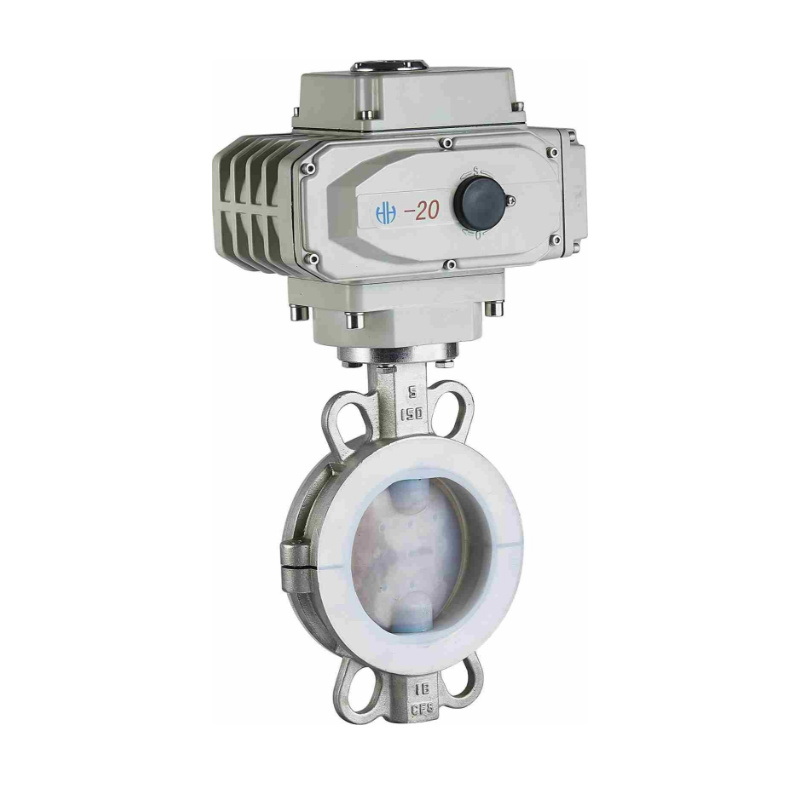
Electric Actuator Butterfly Valves are used across many industrial systems because they are compact, efficient, and easy to automate.
In Water Treatment Systems and Wastewater Treatment Plants, they control raw water, treated water, sludge lines, and aeration systems.
In Chemical Processing Plants, they help isolate or regulate corrosive and process media when the correct valve material and seat are selected.
In Power Generation Facilities, they are used in cooling water, auxiliary systems, and utility pipelines.
In Food & Beverage Processing and Pharmaceutical Manufacturing, butterfly valves support clean flow control where suitable sanitary or corrosion-resistant materials are required.
In HVAC Systems, they regulate chilled water, hot water, and air-handling system flow.
In the Pulp & Paper Industry, they are used for process water, pulp, and slurry-related services.
In Industrial Utility Pipelines and Oil & Gas Pipelines, automated butterfly valves support isolation, flow regulation, and safer remote operation.
Electric actuator butterfly valves are widely used wherever pipelines need reliable automated flow control.
Start with pipeline data: valve size, pressure rating, flange standard, temperature, flow rate, and media type.
Next, choose the valve material. Ductile iron and cast iron are common for water and HVAC systems. Stainless steel is often preferred for chemical, food, pharmaceutical, and corrosive media.
Then select the valve structure. A centerline rubber butterfly valve is suitable for general water and utility service. A double eccentric or high performance butterfly valve is better for higher pressure, tighter sealing, or more demanding industrial conditions.
The actuator must match the valve torque. Check voltage, control type, IP protection, manual override, feedback signal, and explosion-proof requirements if used in hazardous areas.
A correctly selected electric actuator butterfly valve should match the media, pressure, temperature, control signal, and operating environment.
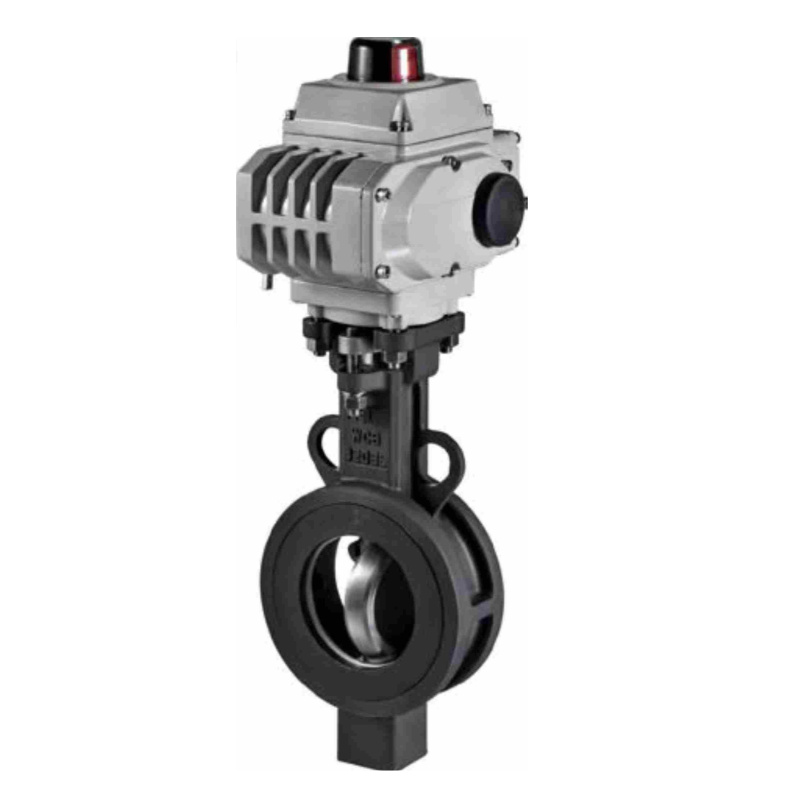
For automated industrial flow control, KONTE provides Butterfly Valves and Electric Actuators for different pipeline applications.
The Electric Duml Eccentric High Performance Butterfly Valve is suitable for demanding industrial applications requiring reliable automation and improved sealing performance.
The Wafer Type Centerline Rubber Butterfly Valve is a practical option for water treatment, wastewater, HVAC, and general utility pipelines.
For severe service comparison, KONTE also offers the Pneumatic Metal-Seated Triple Eccentric Butterfly Valve.
You can also explore KONTE’s Solutions page or learn more about the company through its Company Profile.
KONTE offers industrial butterfly valves and electric actuators that can be matched for efficient automated flow control.
It is a butterfly valve operated by an electric actuator for automated opening, closing, or flow regulation.
Yes. Both terms usually refer to a butterfly valve driven by an electric motor actuator.
Yes. With a modulating actuator, it can adjust the disc angle to regulate flow.
They are used in water treatment, wastewater treatment, chemical processing, power generation, HVAC, food and beverage, pharmaceutical, pulp and paper, utility pipelines, and oil & gas systems.
A centerline butterfly valve is suitable for general service. A high performance butterfly valve is designed for better sealing, higher pressure, or more demanding media.


