

Views: 0 Author: Site Editor Publish Time: 2026-08-09 Origin: Site


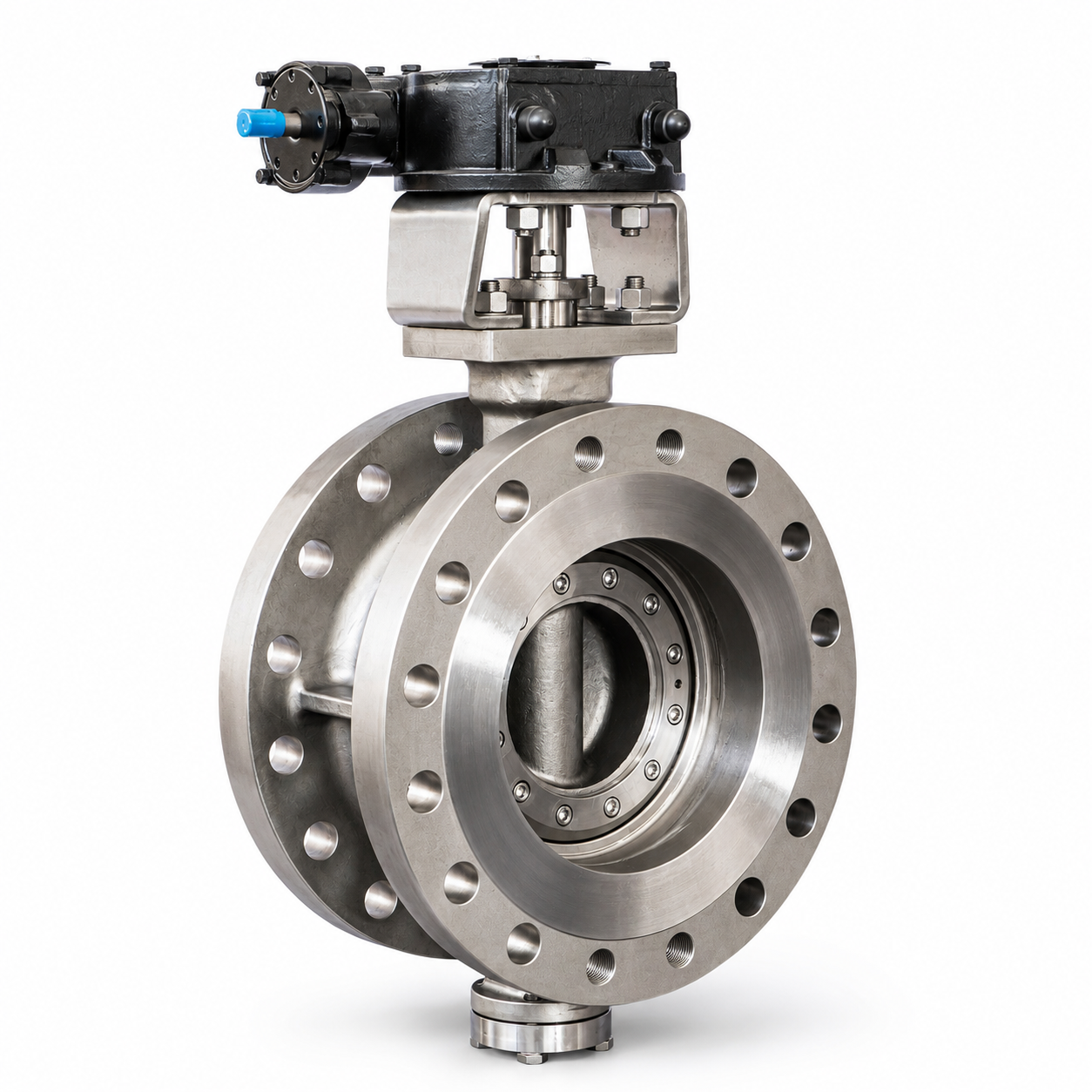
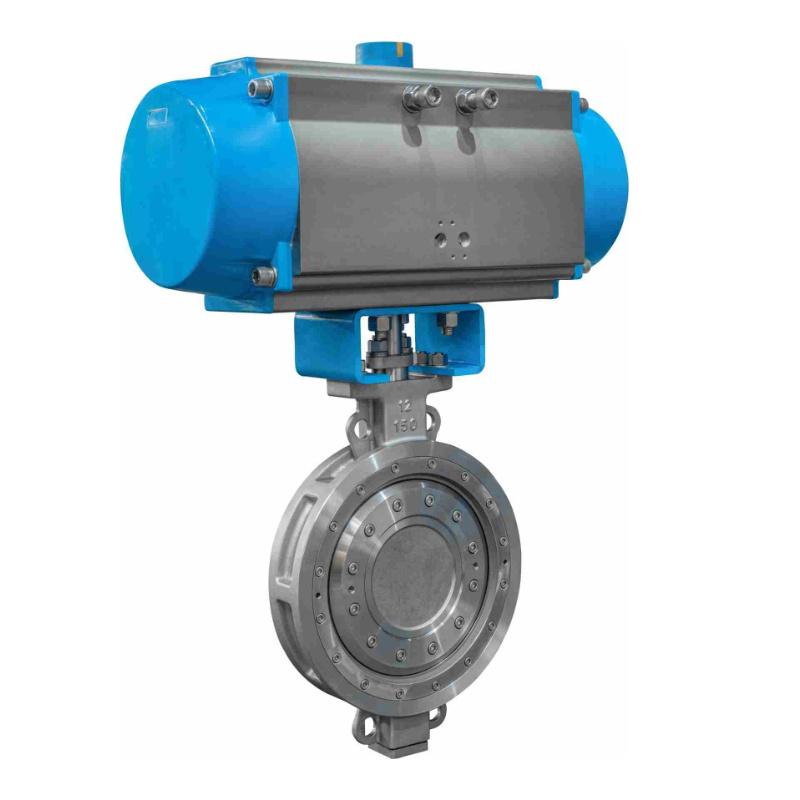
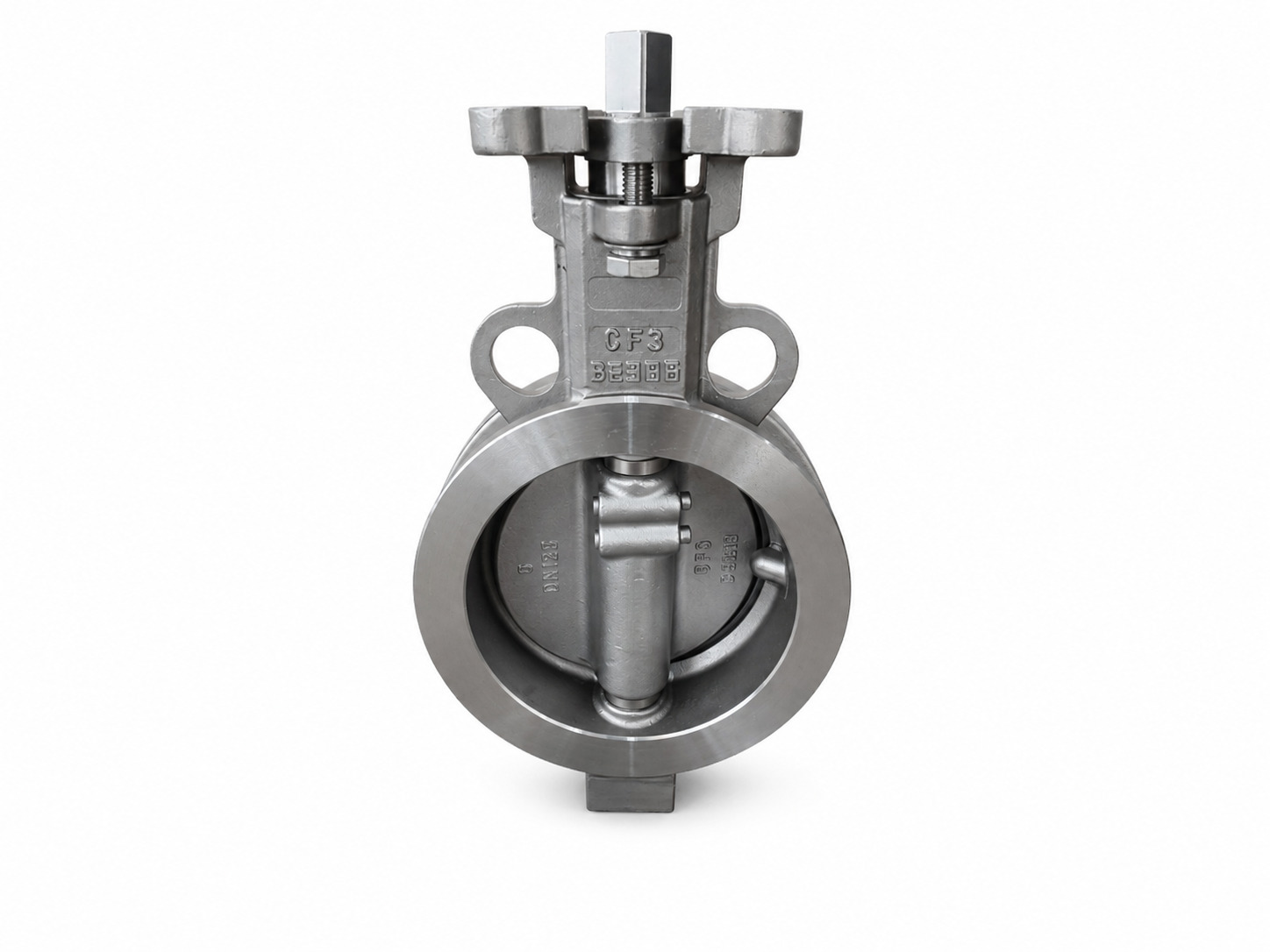
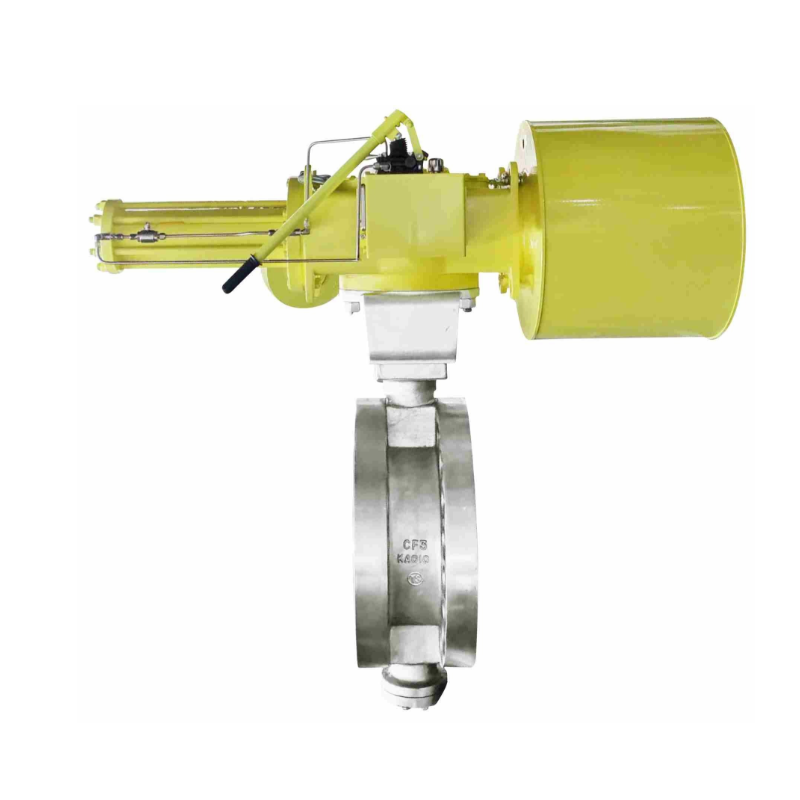
Steam pipelines often involve high temperatures, pressure fluctuations, and thermal expansion, placing greater demands on butterfly valve sealing performance and service life. Hard seal butterfly valves use metal sealing structures that provide better resistance to heat, wear, and frequent operation than conventional soft seats in demanding steam conditions.This article compares hard-seated and soft-seated butterfly valves, explains when metal sealing is recommended, and outlines the key factors to consider when selecting a reliable butterfly valve for steam service. What Is a Hard Seal Butterfly Valve? Why Are Steam Pipelines Challenging for Butterfly Valves? When Is Metal Sealing Necessary in Steam Systems? Hard Seal vs Soft Seal Butterfly Valves for Steam Pipelines Which Hard Seal Butterfly Valve Is Best for Steam Service? Key Factors to Consider When Selecting a Steam Butterfly Valve Common Applications of Hard Seal Butterfly Valves in Steam Systems Common Selection Mistakes to Avoid FAQ Core Keywords: Hard Seal Butterfly Valve, Steam Butterfly Valve, Metal Seated Butterfly Valve, Triple Offset Butterfly Valve, High Temperature Butterfly Valve A hard seal butterfly valve uses a metal or metal-composite sealing structure instead of a resilient elastomer seat. Its sealing surfaces may consist of stainless steel, hard-faced metal, or laminated metal-and-graphite materials. Compared with soft-seat designs, hard seal valves are generally better able to resist elevated temperatures, pressure changes, erosion, and repeated operation. They are therefore commonly selected for severe industrial services such as steam, hot gases, thermal oil, and high-temperature process media. The main purpose of hard sealing is to maintain stable mechanical strength and sealing performance when resilient materials are no longer suitable. Steam pipelines create several operating challenges for butterfly valves: High temperatures can soften, harden, or degrade resilient seat materials.T hermal cycling can change the clearances between internal components. Pressure fluctuations place additional loads on the disc and seat. Condensate accumulation may contribute to water hammer. High steam velocity can accelerate erosion of sealing surfaces. Frequent operation increases friction and mechanical wear. A valve may perform normally during steady operation but experience much higher loads during startup, shutdown, pressure surges, and rapid temperature changes. Valve selection should therefore consider the complete operating range rather than only the normal design point. Metal sealing becomes necessary when steam conditions exceed the verified temperature, pressure, or durability limits of soft-seat materials. The decision should be based on actual operating conditions and manufacturer ratings, not on steam service alone. Continuous exposure to high-temperature or superheated steam can cause PTFE, rubber, and other resilient materials to lose strength or dimensional stability. A metal seated butterfly valve should be considered when the maximum design temperature exceeds the soft seat manufacturer’s published limit. Metal or laminated seats provide better thermal stability and resistance to deformation under elevated-temperature conditions. The maximum temperature should include possible startup and upset conditions, not only the normal operating temperature. High system pressure and differential pressure increase the load applied to the valve disc and sealing surface. Rapid pressure changes may also deform, extrude, or displace a resilient seat. A correctly rated hard seal butterfly valve provides a more rigid sealing structure for demanding pressure conditions. However, engineers must still verify the valve pressure class, pressure-temperature rating, preferred flow direction, and maximum allowable differential pressure. Repeated opening and closing can cause the disc to rub against the seat. In soft-seat valves, this movement may gradually create scratches, permanent deformation, or tearing. Offset metal-seated designs reduce unnecessary contact during valve travel. Reduced friction contributes to lower sealing-surface wear, more stable torque, and longer operating life. For high-cycle isolation or control applications, double offset and triple offset butterfly valves are generally more suitable than concentric designs. A metal seat does not automatically provide zero leakage. Actual shutoff performance depends on: Seat construction Sealing-surface machining Differential pressure Pressure direction Operating temperature Valve torque Applicable leakage standard When leakage control is critical, buyers should specify the required leakage class and testing method in the technical documents. Manufacturer test reports should then be reviewed before final selection. Soft-seat valves may provide an economical solution for moderate-temperature, low-cycle utility steam when the seat material is properly rated. Hard seal valves are generally more dependable where elevated temperatures, pressure fluctuations, or frequent operation create severe service conditions. The most appropriate design depends on temperature, pressure differential, operating frequency, required leakage class, installation space, and project budget. For metal-seated valves, offset geometry is especially important because it determines how the disc contacts the seat during operation. A double offset butterfly valve positions the shaft away from both the seat centerline and the pipe centerline. This arrangement reduces contact between the disc and seat compared with a concentric butterfly valve. Its main advantages include: Reduced seat friction Lower wear than concentric designs Compact installation dimensions Suitability for moderate-to-demanding steam isolation Relatively fast opening and closing A double offset valve may be suitable when the operating conditions are demanding but do not require the lowest possible sealing friction of a triple offset design. A triple offset butterfly valve adds a conical sealing geometry to the two shaft offsets. The disc and seat remain separated during most of the valve stroke and make contact mainly during final closure. This design provides several advantages: Minimal rubbing between sealing surfaces Reduced risk of metal galling More uniform sealing contact Stable performance during frequent cycling Suitability for high-temperature and high-pressure steam Lower wear in demanding isolation service A triple offset butterfly valve is commonly preferred for critical, high-cycle, or severe steam applications where reliable metal sealing and extended service life are priorities. Determine the normal and maximum operating temperature, design pressure, maximum differential pressure, and possible transient conditions. The valve body, disc, stem, seat, packing, and actuator must all remain suitable across the complete pressure-temperature range. Checking only the valve body rating is insufficient. Body and disc materials should be selected according to steam temperature, pressure class, corrosion conditions, piping materials, and applicable standards. Material compatibility is important because different components may expand at different rates. Suitable materials help control thermal distortion, corrosion, and loss of sealing alignment. Metal seats may use solid stainless steel, hard-faced sealing surfaces, or laminated metal-and-graphite structures. Seat selection affects: Maximum operating temperature Wear and erosion resistance Required operating torque Leakage performance Resistance to thermal cycling Maintenance requirements The seat material and construction should be confirmed against the actual steam conditions rather than selected from a general product description. Steam butterfly valves may use manual gearboxes or pneumatic, electric, and hydraulic actuators. Hard seal valves often require higher seating torque than soft-seat valves. Actuator sizing should therefore use manufacturer-provided torque data, maximum differential pressure, operating frequency, and an appropriate safety margin. An undersized actuator may prevent complete closure, leading to leakage and accelerated seat wear. Common connection options include wafer, lug, and flanged designs. Wafer valves offer compact dimensions and lower weight. Lug valves provide greater installation flexibility. Flanged valves are commonly selected for higher-pressure or critical pipelines. The connection should match the required pressure class, piping arrangement, maintenance access, and end-of-line conditions. Hard seal butterfly valves are commonly used in: Main steam isolation lines Superheated steam pipelines Boiler steam distribution systems Process steam headers Turbine auxiliary systems Steam bypass lines High-temperature condensate systems Petrochemical process steam networks Power-generation steam systems Industrial heating systems Their compact structure and relatively low weight can reduce installation space compared with some traditional isolation valves, especially in large-diameter steam pipelines. Common mistakes include: Selecting the valve according to normal temperature only Ignoring startup, shutdown, and upset conditions Assuming every metal seat provides bubble-tight shutoffR eusing actuator data from a soft-seat valve Ignoring the preferred pressure or flow direction Selecting materials without considering thermal expansion Failing to verify pressure-temperature ratings Using an isolation valve for throttling without confirmation Relying only on ambient-temperature leakage tests Failing to request material and test documentation Reliable selection requires verified operating data, suitable materials, a defined leakage target, and correctly sized actuation. Some metal-seated designs can provide very tight shutoff, but performance varies by seat construction and testing standard. Buyers should specify the required leakage class and request supporting test documentation. Some models support bidirectional sealing but may have a preferred pressure direction. That direction may provide a higher pressure capability or better shutoff performance. Always follow the manufacturer’s flow-direction and pressure-rating instructions. No. Moderate steam duties may use a properly rated soft-seat or double offset butterfly valve. Triple offset construction becomes more valuable when high temperature, high pressure, frequent cycling, or strict leakage control requires low-friction metal sealing. Some designs can be used for throttling, but suitability must be verified. Engineers should evaluate steam velocity, pressure drop, vibration, erosion, cavitation risk, and actuator control accuracy before using the valve for flow regulation. Sizing should consider pipe diameter, flow rate, steam velocity, pressure drop, differential pressure, operating mode, and actuator torque. Final selection should be checked against certified manufacturer performance data.Table of Contents
1. What Is a Hard Seal Butterfly Valve?
2. Why Are Steam Pipelines Challenging for Butterfly Valves?
3. When Is Metal Sealing Necessary in Steam Systems?
1) High Operating Temperatures
2) High Pressure and Pressure Fluctuations
3) Frequent Opening and Closing
4) Strict Leakage Requirements
4. Hard Seal vs Soft Seal Butterfly Valves for Steam Pipelines
Selection Factor Soft Seal Butterfly Valve Hard Seal Butterfly Valve Temperature capability Limited by elastomer or polymer grade Better suited to elevated temperatures Pressure fluctuation Seat may deform or extrude Rigid structure provides greater stability Cycling frequency Suitable for moderate verified duty Better for frequent or severe cycling Shutoff performance Often easier to achieve tight shutoff Leakage class must be specified and tested Operating torque Generally lower Usually higher Wear resistance Limited in severe steam conditions Better resistance to heat and erosion Typical application Utility steam or moderate condensate High-temperature or critical steam service Initial cost Usually lower Usually higher 

5. Which Hard Seal Butterfly Valve Is Best for Steam Service?
1) Double Offset Butterfly Valve
2) Triple Offset Butterfly Valve
6. Key Factors to Consider When Selecting a Steam Butterfly Valve
1) Temperature and Pressure
2) Valve Body and Disc Materials
3) Metal Seat Materials
4) Actuation Method
5) Connection Type
7. Common Applications of Hard Seal Butterfly Valves in Steam Systems
8. Common Selection Mistakes to Avoid
9. FAQ
Q1: Can a hard seal butterfly valve achieve bubble-tight shutoff?
Q2: Are metal seated butterfly valves bidirectional?
Q3: Is a triple offset butterfly valve always necessary for steam?
Q4: Can a hard seal butterfly valve be used for throttling steam?
Q5: How should a steam butterfly valve be sized?


