

Views: 0 Author: Site Editor Publish Time: 2026-07-03 Origin: Site


Choosing the correct Pneumatic Angle Seat Valve depends on the fluid you control, not just the pipe size. Whether handling water, steam, gas, oil, acid, or alkali, choosing the right body material, seal, and connection type is essential. This guide covers valve operation, selection tips for different media, key factors, common applications, and mistakes to avoid—helping you improve system reliability, extend valve life, and reduce downtime.
What Is a Pneumatic Angle Seat Valve?
Why Is Fluid Type Important When Selecting a Pneumatic Angle Seat Valve?
How to Select a Pneumatic Angle Seat Valve for Water, Steam, Gas, Oil, Acid and Alkali
Key Factors to Consider When Choosing a Pneumatic Angle Seat Valve
Common Applications of Pneumatic Angle Seat Valves
Common Selection Mistakes to Avoid
FAQ
Core keyword: Pneumatic Angle Seat Valve , Sanitary Valves, Stainless Steel Angle Seat Valve, Air Actuated Angle Seat Valve, Threaded Angle Seat Valve, Flanged Angle Seat Valve
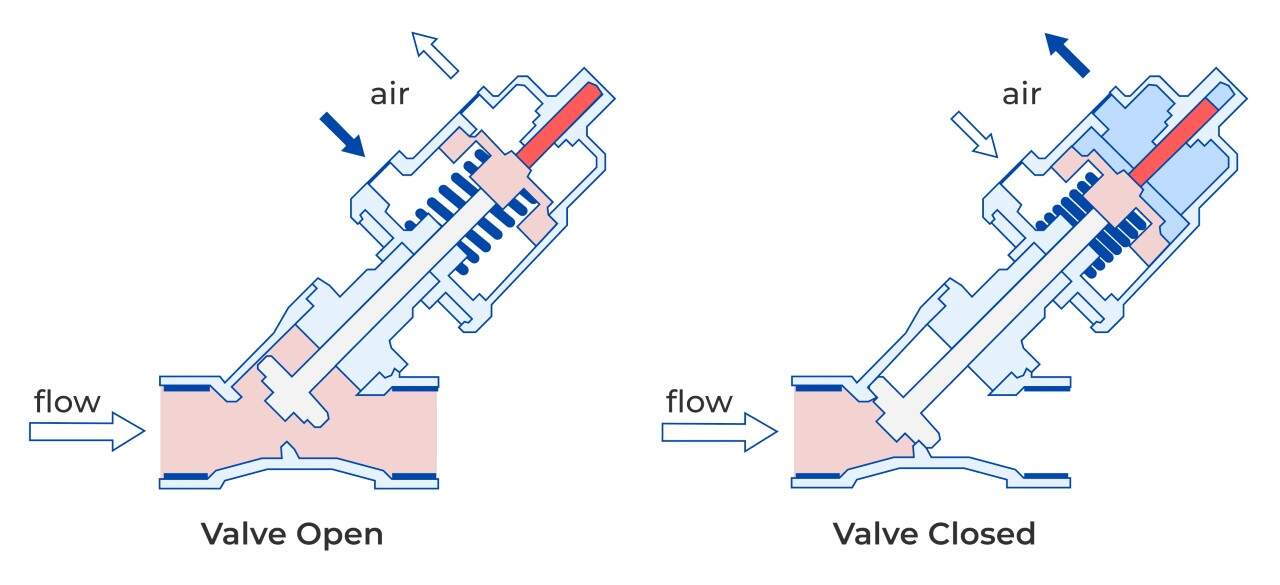
A pneumatic angle seat valve is a 2/2-way piston valve that uses compressed air to lift a plug off an angled seat, allowing fluid to pass through with minimal resistance. The Angle Seat Valve is a 2/2-way pneumatically actuated piston valve for liquids, gases, steam and some aggressive fluids, including vacuum services.
The angled Y-shaped body is the defining feature, since the seat is positioned under an angle so flow is minimally impeded in the open position, resulting in an excellent flow rate and low pressure loss. This design also gives the valve exceptional durability — these valves can deliver millions of cycles in demanding applications such as steam, water and aggressive media, and can run up to 1,000 cycles per hour with an expected life of over 10 million cycles.
Fluid type determines the body material, seal compound, and pressure rating — not the other way around. Choosing seals and body materials that don't match the media is the single biggest cause of premature valve failure.
Body material sets the corrosion and temperature baseline: brass suits water, air, and mild chemicals, while stainless steel is ideal for aggressive media and high-temperature applications, offering excellent corrosion resistance for food, beverage, pharmaceutical, and petrochemical processes.
Seal material controls the real operating limits, since selecting appropriate body and seal materials is crucial for compatibility with the controlled media and for long-term reliability. For example, EPDM works well for drinking water because it does not affect the water's taste, while PTFE-based seals handle far harsher chemistries.
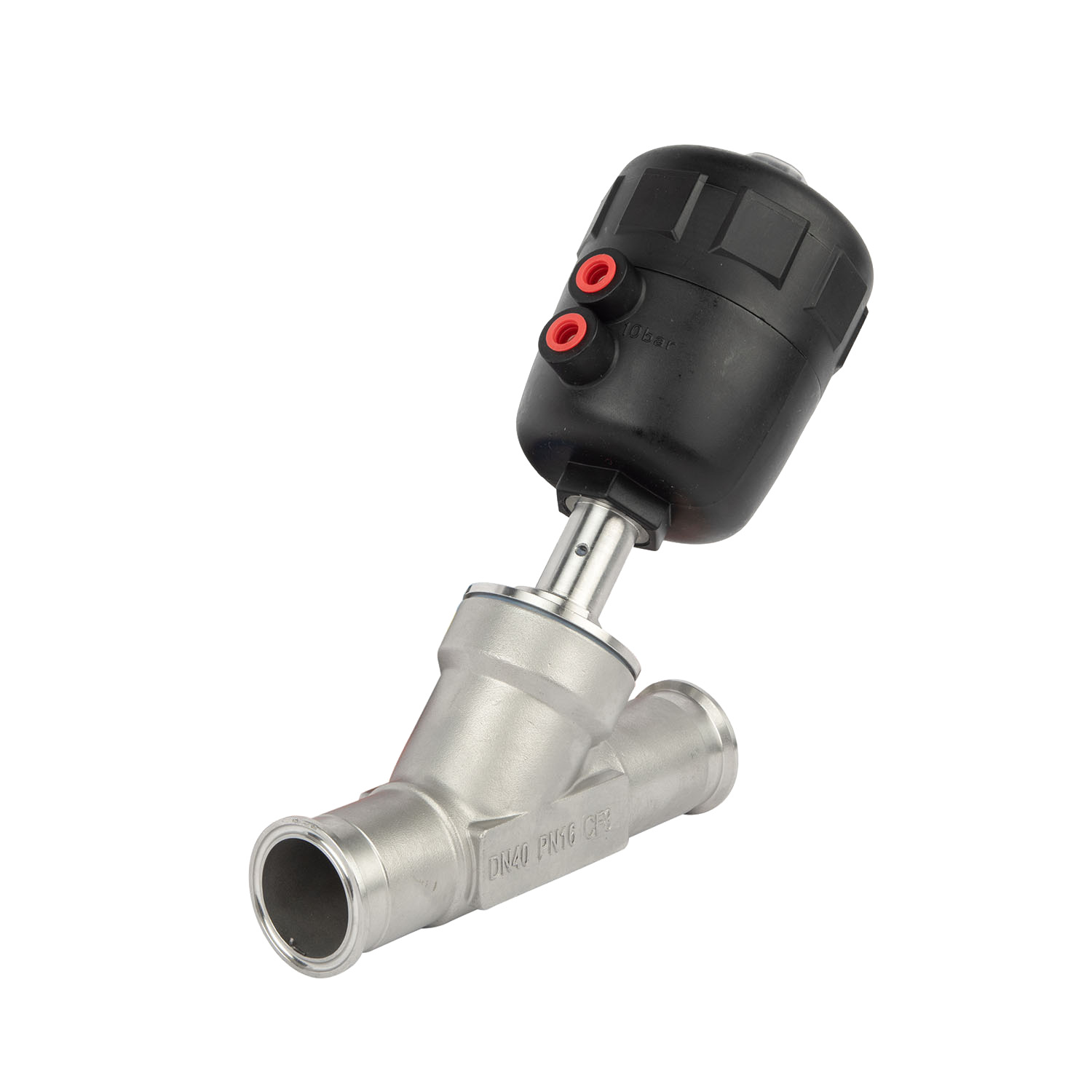
Each fluid category demands a different material and seal combination. Matching seat and seal chemistry to the process fluid extends service life and prevents leakage.
| Fluid / Application | Recommended Body | Recommended Seal | Notes |
Water Treatment | Stainless steel or brass | EPDM, NBR | EPDM has excellent resistance to hot water, steam, and mild chemicals, commonly used in heating and cooling systems |
Steam Pipelines | Stainless steel (CF8/CF8M) | PTFE | Angle seat valves handle high-pressure steam with minimal wear, ensuring reliable sterilization |
Compressed Air Systems | Stainless steel or plastic | NBR | NBR is oil-resistant with good elasticity, ideal for compressed air and hydraulic oil |
Oil & Fuel Transfer | Stainless steel | FKM/PTFE | Resistant to petroleum-based media and moderate temperatures |
Chemical Processing (Acid & Alkali) | Stainless steel (316) | PTFE/PPL | PTFE offers high temperature and corrosion resistance with low friction, suitable for strong acids, alkalis, and high-temperature media |
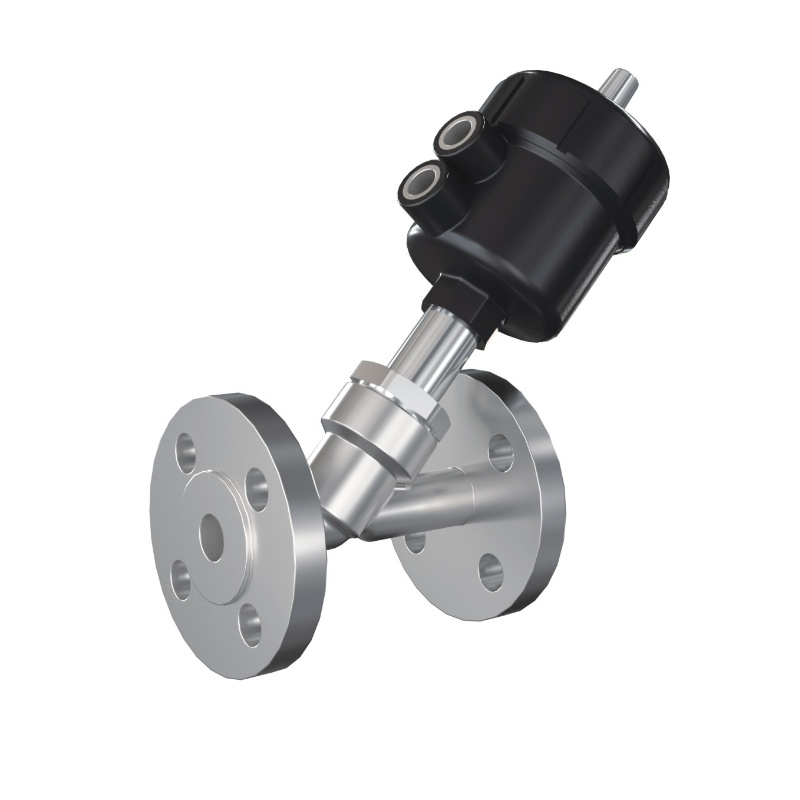
For threaded connections in general service, see the Adjusting Pneumatic Threaded Angle Seat Valve. For welded, fixed-pipeline installations, the Stainless Steel Pneumatic Welded Angle Seat Valve is a common choice, since its welded connection fits fixed installations in small to medium-sized pipelines.
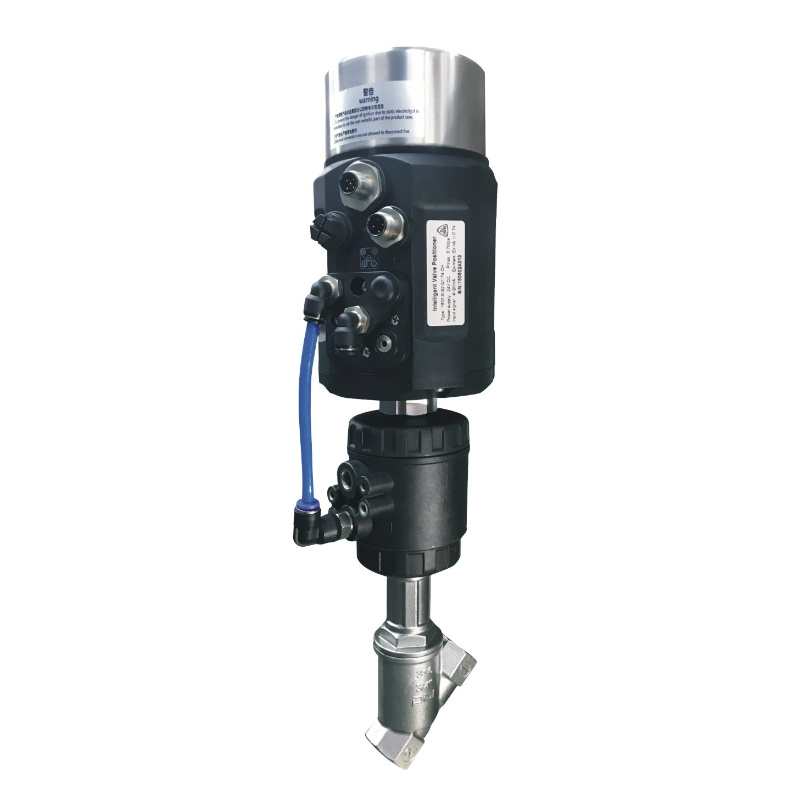
Beyond fluid compatibility, four mechanical factors determine long-term performance.
4.1 Body Material.
Stainless steel resists corrosion and high heat, while plastic-actuator versions suit indoor, low-aggressive environments. The Plastic Pneumatic Flanged Angle Seat Valve offers a cost-effective option for water, air, and mild chemicals.
4.2 Connection Type.
Connection type and size are critical for proper integration with your piping system, and valves are available in threaded, flanged, and push-in options, each offering different installation benefits. Threaded types fit small-bore pipe, while flanged types suit high-pressure or larger-diameter lines.
4.3 Actuator Function (NC/NO).
NC valves remain closed when no air pressure is applied and open when the pneumatic signal is activated, while NO valves remain open without activation and close when pressure is applied.
4.4 Pressure & Temperature Rating.
Consider operating conditions including maximum system pressure, media type, and temperature, since high-temperature applications may reduce the valve's pressure handling capability.
4.5 Sanitary Requirements.
For CIP-capable systems, choose a Pneumatic Angle Seat Sanitary Valve with a polished, self-draining body — see our full Sanitary Valves range.
These valves perform best in high-cycle, high-temperature, or hygiene-critical processes. They are used across food & beverage, chemical, oil & gas, and water & sewage industries.
Water Treatment – reliable shutoff for clean and wastewater lines
Compressed Air Systems – fast-cycling control with low air consumption
Steam Pipelines – tight sealing under high temperature and pressure
Oil & Fuel Transfer – corrosion-resistant handling of hydrocarbons
Chemical Processing (Acid & Alkali) – PTFE-sealed valves for aggressive media
Explore full industry breakdowns in our Solutions section.
Using plastic-bodied valves on steam or high-temperature lines — thermal stress will crack the actuator housing.
Ignoring seal chemistry — a Buna-N seal in strong acid service degrades quickly, while nylon has limited resistance to alkalis and acids and is limited to lower temperatures.
Undersizing the actuator for high-pressure lines, which prevents full closure and causes leaks.
Mismatching connection type with existing pipework, leading to costly rework.
When in doubt, consult a manufacturer directly rather than guessing at specifications — see KONTE's company profile for engineering support.
1. What materials are used in pneumatic angle seat valves?
Common body materials are brass for mild media and stainless steel for aggressive or high-temperature media.
2. Can a pneumatic angle seat valve handle steam?
Yes. Angle seat valves can handle high-pressure steam with minimal wear, ensuring reliable sterilization.
3. What's the difference between threaded and flanged angle seat valves?
Threaded valves suit smaller pipe sizes and simpler installation, while flanged types handle larger diameters and higher pressures with bolted, leak-tight joints.
4. Are pneumatic angle seat valves suitable for acid or alkali service?
Yes, when fitted with PTFE or PPL seats and 316 stainless steel bodies, which resist chemical attack at elevated temperatures.
5. What's the difference between NC and NO valves?
NC valves stay closed without air and open on signal; NO valves stay open without air and close on signal.
6. What seal is best for drinking water applications?
EPDM is recommended for drinking water because it does not affect the water's taste.


