


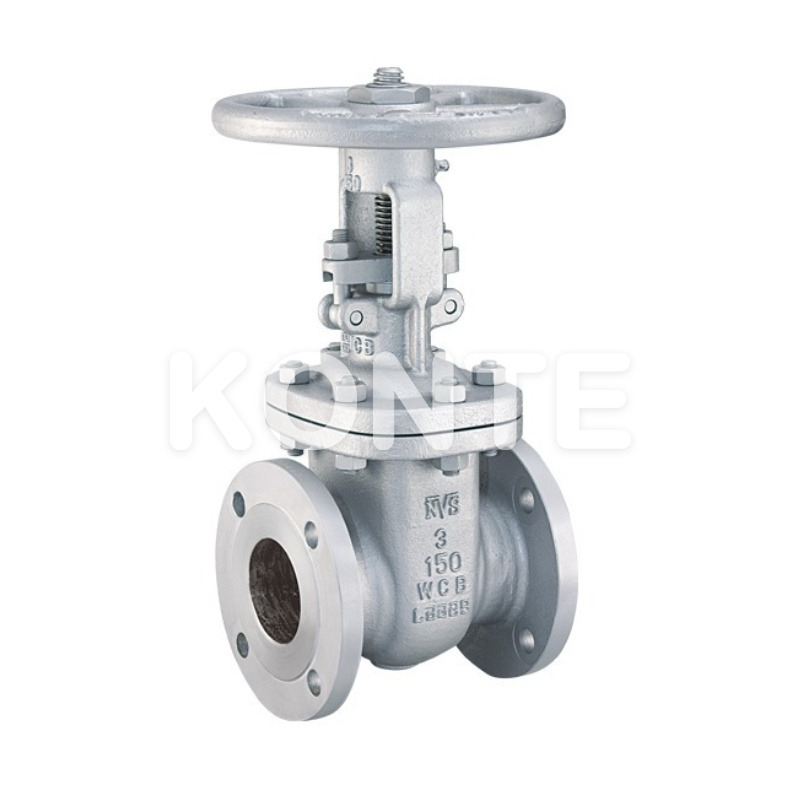


The WCB Flanged Gate Valve stands as a cornerstone for heavy-duty pipeline infrastructure, engineered to deliver uncompromising fluid isolation. Upon physical inspection, the valve presents a substantial, rugged cast carbon steel exterior, characterized by its smooth, uniform metallic finish that speaks volumes about the precision casting process. The tactile feedback of the manual handwheel is heavy yet remarkably fluid, turning with a deliberate, silent glide that indicates flawless internal machining and superior stem threading. When fully seated, the heavy-duty wedge creates an impenetrable barrier against high-velocity media, effectively silencing the rush of pressurized liquids or gases.
Beyond its imposing physical presence, this valve is designed to solve critical operational bottlenecks. Facilities struggling with fugitive emissions or frequent maintenance shutdowns will find immediate relief in its robust bolted bonnet construction and deep stuffing box design. The metallic clink of the flange connections aligning perfectly during installation highlights the strict adherence to ASME B16.5 dimensions, ensuring a stress-free integration into existing pipework. Whether exposed to the harsh, salty air of a coastal refinery or the intense thermal cycling of a power plant, the dense ASTM A216 WCB body resists deformation and corrosion, providing facility managers with absolute confidence in their system's integrity and safety.
Product Name | WCB Flanged Gate Valve |
Body Material | ASTM A216 WCB (Cast Carbon Steel) |
Connection | Flanged ends, standard ASME B16.5 |
Size Range | 2” to 24” (DN50–DN600 or customized) |
Pressure Rating | Class 150 / 300 / 600 available |
Design | Rising stem, outside screw and yoke (OS&Y) |
Sealing Type | Metal-to-metal or soft seat |
Trim Material | 13Cr / Stellite (Supplemented based on industry standards) |
Bonnet | Bolted bonnet construction |
Operation | Manual handwheel (can be automated / gear operated) |
Standard Compliance | API 600 / ASME B16.34 |
Face to Face Standard | ASME B16.10 (Supplemented) |
Testing Standard | API 598 |
Application | Petroleum, petrochemical, fine chemicals, electric power, and water treatment |
Engineered for maximum resilience, this valve integrates advanced mechanical features designed to optimize flow control and eliminate operational inefficiencies. Every component is tailored to enhance system longevity and reduce the frequency of manual interventions.
Unrestricted Flow Dynamics: The full-bore design ensures that when the valve is fully open, the internal passageway matches the pipe's inner diameter, resulting in zero pressure drop and preventing turbulent flow vibrations.
Visual Position Indication: The Outside Screw and Yoke (OS&Y) configuration keeps the stem threads outside the fluid medium, preventing corrosion while providing operators with an immediate, visual confirmation of the valve's open or closed status.
Thermal Binding Prevention: The flexible wedge design compensates for slight seat deformations and pipeline stresses, ensuring the valve will not jam shut during extreme temperature fluctuations.
Effortless In-Line Maintenance: The bolted bonnet allows maintenance crews to access internal trims without removing the entire valve body from the pipeline, drastically cutting down facility downtime.
Fugitive Emission Control: Precisely machined stem packing and a deep stuffing box create a tight atmospheric seal, keeping hazardous or valuable media strictly contained within the system.
Our manufacturing approach evaluates every structural and functional dimension to deliver a product that exceeds standard industrial expectations. Below is a detailed breakdown of the engineering dimensions that define this valve's superior performance.
Utilizing high-strength ASTM A216 WCB cast carbon steel, this valve is built for unparalleled durability in severe industrial environments. It strictly adheres to API 600 and ASME B16.34 design specifications, ensuring complete international engineering compliance and uncompromising safety.
The architecture focuses on reliability and ease of use. The OS&Y (Outside Screw and Yoke) rising stem combined with a bolted bonnet allows for swift visual inspections and straightforward maintenance. Its full-bore design minimizes flow resistance, while the wedge mechanism prevents jamming caused by thermal expansion.
To guarantee zero leakage under high pressure, the valve offers versatile sealing options. Buyers can select between metal-to-metal seating—featuring 13Cr or Stellite hard-faced trims for exceptional wear and corrosion resistance—or soft seating for specific media, ensuring a prolonged operational lifespan.
Scalability is at the core of this product line. Available in a broad size range from 2” to 24” (DN50 to DN600), with custom larger diameters available upon request. It seamlessly covers Class 150, 300, and 600 pressure ratings, perfectly matching diverse piping diameters and high-pressure fluid control networks.
While supplied with a highly ergonomic manual handwheel as standard, the valve is engineered for future-proofing. The top mounting pad allows for seamless integration with gear operators, pneumatic actuators, or electric drives, catering to the remote operation needs of modernized, automated facilities.
This valve demonstrates remarkable versatility across various media, including water, oil, natural gas, steam, and acidic/alkaline fluids. It serves as an indispensable isolation and flow control device in core pipelines within the petroleum, petrochemical, fine chemical, power generation, and water treatment sectors.
Risk mitigation is guaranteed through rigorous factory protocols. Every single unit undergoes stringent API 598 shell and seat pressure testing before dispatch. Comprehensive Material Test Reports (MTR) are provided, ensuring zero-defect delivery and significantly reducing long-term maintenance costs and safety hazards for project procurement.
Securing industrial valves requires more than just purchasing hardware; it demands a reliable manufacturing partner capable of delivering consistent quality at scale. We bridge the gap between premium engineering and cost-effective procurement, ensuring your projects stay on schedule and under budget.
Direct-from-Source Economics: By eliminating intermediaries, we provide direct access to premium manufacturing facilities, allowing you to optimize your procurement budget without sacrificing metallurgical quality.
Stringent Traceability: From the initial casting heat to the final pressure test, every valve is serialized and fully traceable. We provide comprehensive documentation to support your facility's compliance audits.
Customized Engineering Solutions: We understand that standard specifications don't fit every pipeline. Our engineering team modifies flange facings, trim materials, and actuation setups to match your exact project blueprints.
Robust Supply Chain Stability: With extensive inventory management and streamlined production lines, we ensure timely fulfillment for both urgent replacement needs and large-scale facility construction projects.
To assist in your technical evaluation, we have compiled answers to the most critical inquiries regarding the installation, operation, and capabilities of our cast steel gate valves.
ASTM A216 WCB is the industry standard for high-temperature, high-pressure carbon steel applications. It offers an excellent balance of tensile strength, ductility, and weldability. This ensures the valve body can withstand intense mechanical stress and thermal shocks without fracturing, making it highly reliable for non-corrosive to mildly corrosive environments up to 425°C (800°F).
No. Gate valves are strictly designed for on/off isolation services. Using a gate valve in a partially open position for throttling will cause the high-velocity fluid to vibrate the wedge, leading to rapid erosion of the seating surfaces, wire drawing, and eventual failure of the seal. For flow regulation, a globe or control valve should be utilized.
Stellite is a cobalt-chromium alloy renowned for its exceptional hardness and resistance to galling, cavitation, and wear. When applied to the seating surfaces (metal-to-metal seal), it prevents the abrasive degradation caused by solid particulates in the media and the high friction generated during the opening and closing cycles under high differential pressure.
The Outside Screw and Yoke design requires periodic lubrication of the exposed stem threads to ensure smooth handwheel operation. Additionally, facility operators should routinely inspect the stem packing gland. If minor leaks are detected around the stem, the gland nuts can be evenly tightened to re-compress the packing material and restore the atmospheric seal.
Absolutely. While they come standard with a manual handwheel, the yoke is designed to accommodate various actuation methods. By removing the handwheel and utilizing the existing mounting structure, the valve can be easily retrofitted with multi-turn electric actuators, pneumatic cylinders, or bevel gear operators for integration into modern DCS or SCADA systems.


