

Views: 0 Author: Site Editor Publish Time: 2026-06-03 Origin: Site


An Electric Actuator Ball Valve is a ball valve operated by an electric actuator for automatic on/off or flow control. It is widely used in water treatment, chemical industry, HVAC system, building automation, and industrial pipeline automation where remote control, stable sealing, and reliable operation are required.
In this article, you'll learn how they work, their Main Components,common types, electric actuator ball valve vs manual Ball Valve vs pneumatic ball valve,key applications, and how to select the right electric actuator ball valve for your needs.
Overview of Electric Actuated Ball Valves
How Does an Electric Actuator Ball Valve Work?
Main Components of an Electric Actuated Valve
Common Types of Electric Ball Valve with Actuator
Electric Actuator Ball Valve vs Manual Ball Valve vs Pneumatic Ball Valve
Key Applications Across Industries
How to Choose the Right Electric Actuator Ball Valve
Why Choose KONTE Electric Actuator Ball Valve Solutions?
FAQ
Core Keyword: Electric Actuator Ball Valve, Stainless Steel Electric Actuator Ball Valve, Flanged Electric Actuator Ball Valve, Motorized Ball Valve
An Electric Actuator Ball Valve is an automated quarter-turn valve. It combines a ball valve body with an electric actuator, allowing the valve to open or close without manual operation.
The valve is also commonly called an Electric Actuated Valve, Electric Ball Valve with Actuator, or Motorized Ball Valve. In modern process systems, it is used to control water, gas, steam, oil, chemicals, and other fluid media.
In simple terms, an Electric Actuator Ball Valve uses electric power to control pipeline flow automatically, safely, and efficiently.
Compared with a manual ball valve, it reduces labor and supports remote control. Compared with a pneumatic valve, it does not require compressed air, which makes it practical for many water supply systems, HVAC projects, and building automation systems.
An electric actuator receives a control signal from a switch, PLC, DCS, or building automation system. The actuator motor then drives the valve stem through a gear mechanism.
Inside the valve body, a drilled ball rotates 90 degrees. When the hole in the ball aligns with the pipeline, the valve is open. When the ball turns perpendicular to the pipeline, the valve is closed.
The working principle is simple: electrical energy is converted into rotary motion to open, close, or regulate the ball valve.
Some electric ball valves are used only for on/off control. Others use modulating control to adjust valve position and manage flow more accurately.
| Control Type | Function | Typical Applications |
On/Off Control | Fully open or fully closed | Water supply system, wastewater treatment, irrigation system, HVAC |
Modulating Control | Adjusts valve opening angle | Automatic flow control, chemical processing, large flow control system |
Remote Control | Operated by PLC, DCS, or SCADA | Industrial pipeline automation, building automation |
The electric actuator is the driving unit. It usually includes a motor, gearbox, limit switches, position indicator, manual override, and control wiring.
For automated valve projects, actuator selection is critical. Voltage, torque, protection level, control signal, and feedback signal should match the system requirements.
Explore KONTE Electric Actuators for automated valve control.
The valve body contains the ball, stem, seats, and seals. The ball valve provides fast shut-off, low flow resistance, and reliable sealing.
KONTE Ball Valves are used in industrial and sanitary fluid control applications.
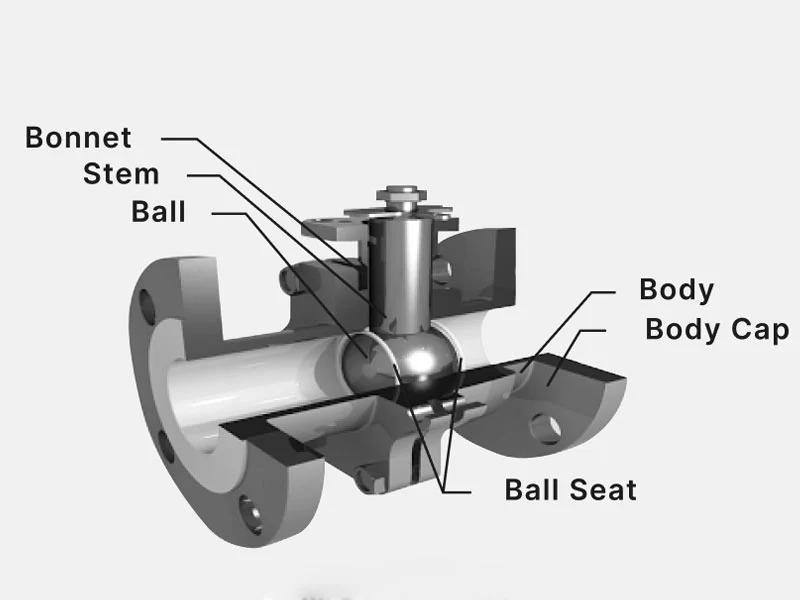
PTFE seats are common because they provide good sealing performance and chemical compatibility. For corrosive media, high temperature, or frequent operation, the seat material must be selected carefully.
A reliable Electric Actuated Valve depends on both actuator performance and valve body sealing quality.
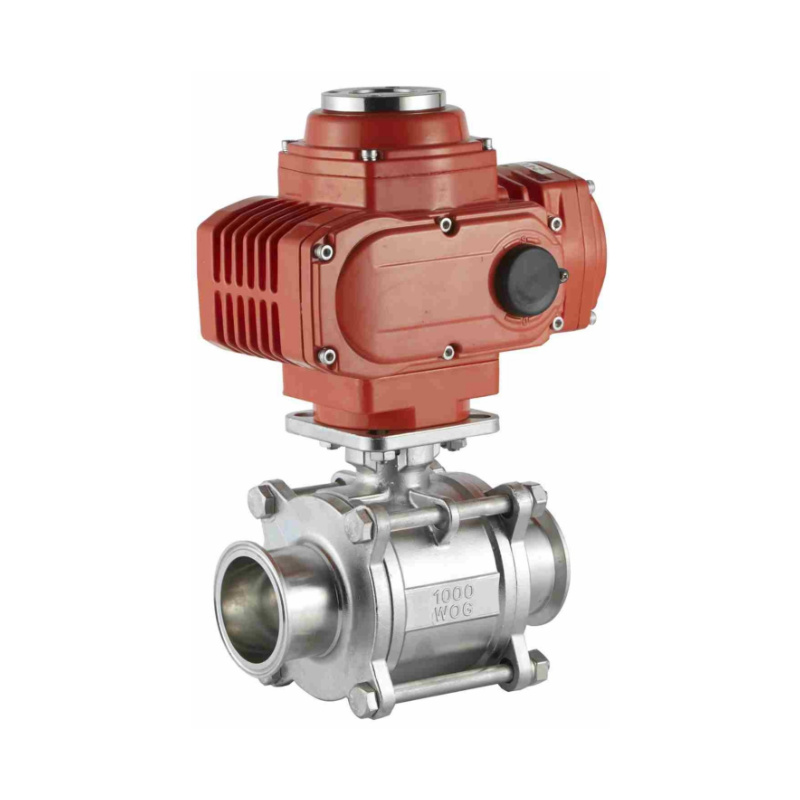
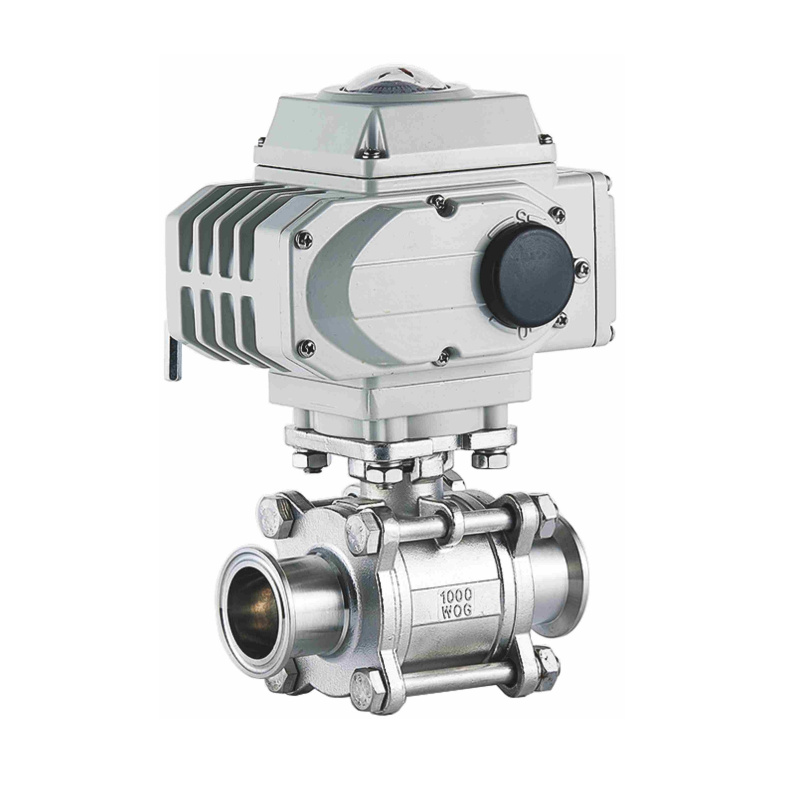
A Stainless Steel Electric Actuator Ball Valve is suitable for corrosive, hygienic, and demanding applications. It is widely used in chemical processing, food and beverage, pharmaceutical pipeline, and wastewater treatment.
Stainless steel helps improve corrosion resistance and service life, especially when the valve handles water, mild chemicals, steam, or clean process fluids.
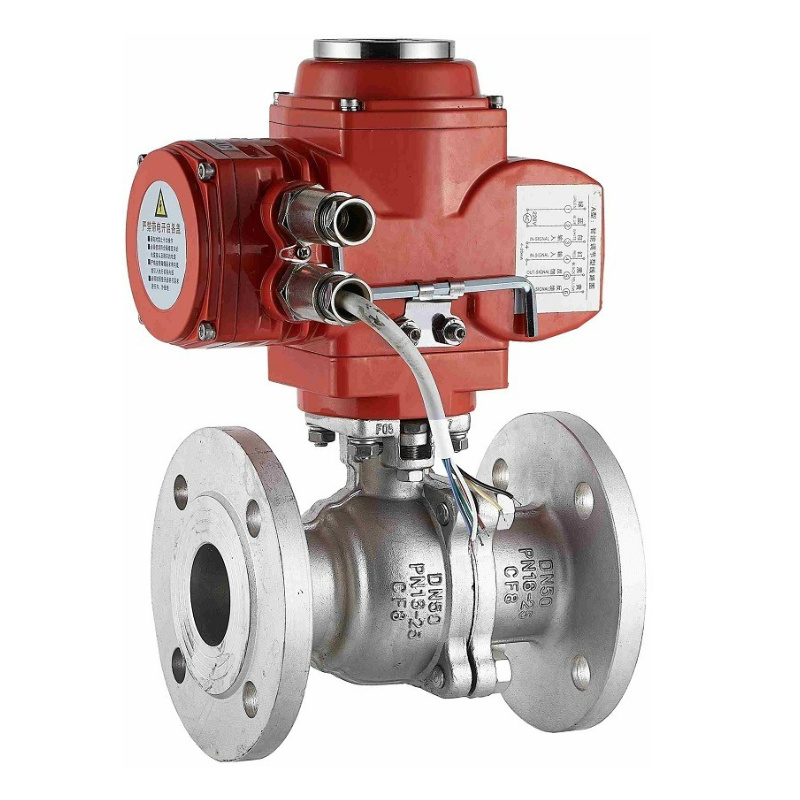
A Flanged Electric Actuator Ball Valve is designed for stable pipeline installation. It is often used in larger pipe sizes, higher pressure pipelines, and large flow control systems.
KONTE’s Electric German Standard Flange Ball Valve is built to DIN flange standards and supports DN15–DN200 and PN16, PN25, PN40 pressure classes. It is suitable for oil and gas, chemical processing, power generation, water treatment, and HVAC systems.
A Motorized Ball Valve is often used in compact automation systems, such as HVAC, irrigation system, water treatment skids, and building automation. It is easy to integrate and provides quick 90-degree operation.
The best valve type depends on pipe size, pressure, medium, connection standard, and control method.
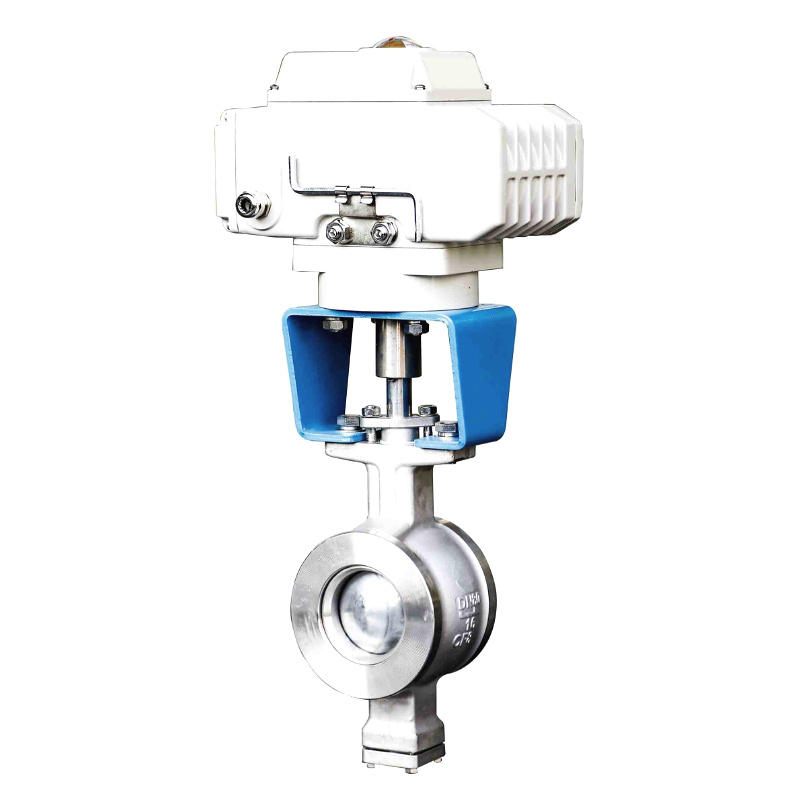
Different valve actuation methods serve different operating needs.
| Valve Type | Power Source | Advantages | Suitable Use |
Manual Ball Valve | Hand operation | Simple and economical | Small systems, occasional operation |
Electric Actuator Ball Valve | Electricity | Remote control, easy automation, no air supply needed | Water treatment, HVAC, chemical industry |
Pneumatic Ball Valve | Compressed air | Fast response, suitable for frequent switching | Oil, gas, chemical pipeline |
An electric actuator ball valve is often preferred when the site has electrical power but no compressed air system. It is also a good choice for remote locations, automated buildings, and process lines that require controlled switching.
For pneumatic alternatives, see KONTE Pneumatic Japanese Standard Flanged Ball Valve.
For many automated pipeline systems, electric actuation offers the right balance of control, installation convenience, and long-term operating efficiency.
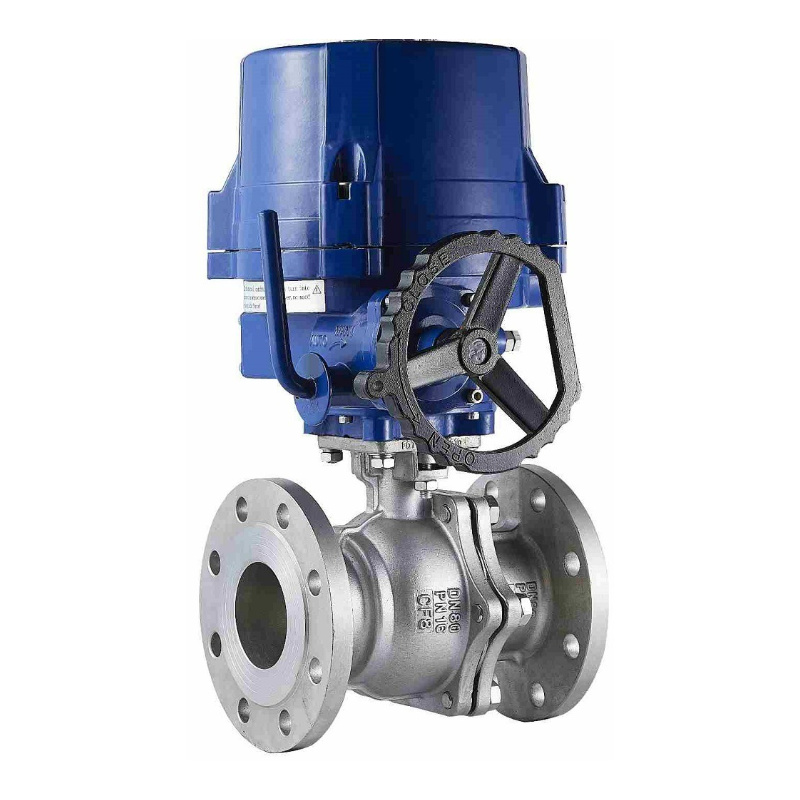
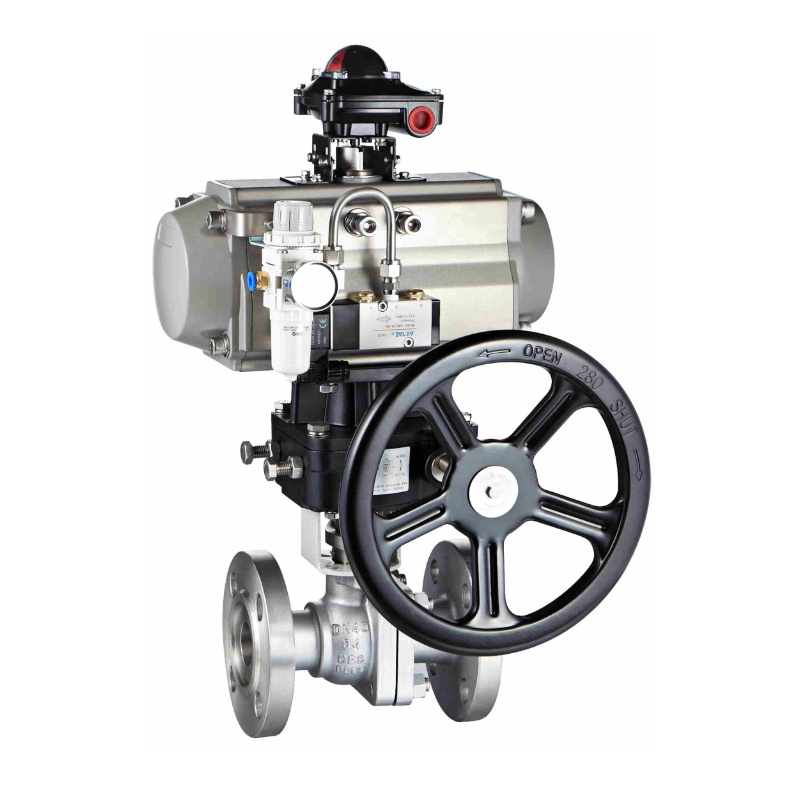
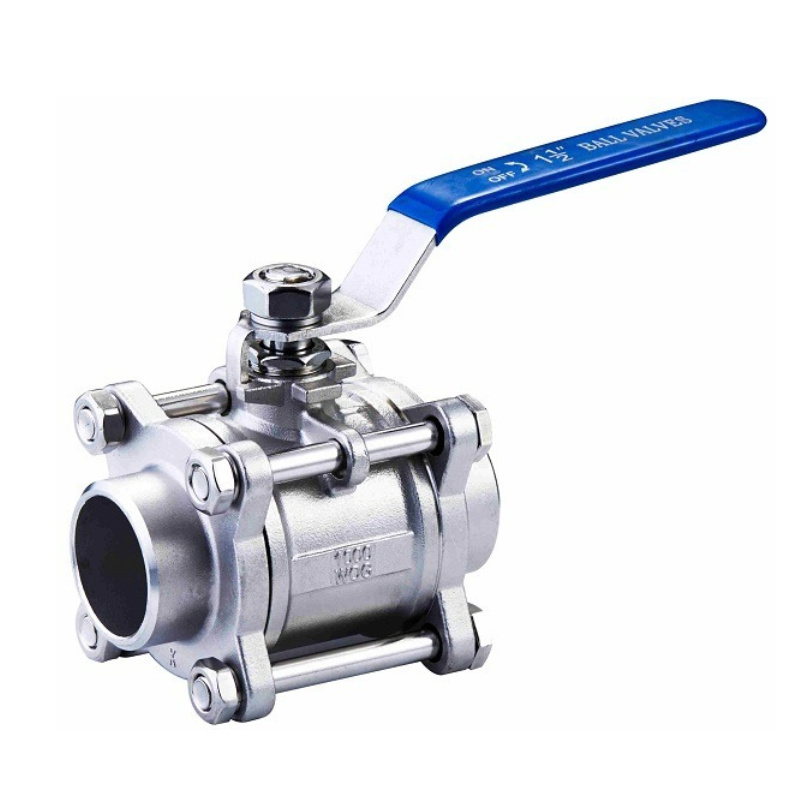
Electric actuator ball valves are used in water intake, filtration, dosing, discharge, and backwash systems. They support remote operation from control rooms and reduce manual work in large plants.
In chemical processing, valves must handle corrosive media, pressure changes, and process safety requirements. Stainless steel body materials and PTFE seats are commonly selected for chemical pipelines.
In HVAC systems, electric ball valves control chilled water, heating water, and zone flow. They help improve energy management in commercial buildings, factories, hospitals, and district heating systems.
Food and pharmaceutical pipelines require stable sealing, clean flow paths, and corrosion-resistant materials. Electric ball valves help automate batch transfer, cleaning lines, and process control.
For oil, gas, and large industrial pipelines, flanged electric actuator ball valves provide strong installation stability and remote shut-off capability.
Explore KONTE Industrial Valve Solutions for oil and gas, chemical, pharmaceutical, food, and water treatment applications.
Start with pipeline data. Confirm pipe size, working pressure, temperature, flow rate, medium type, and connection standard.
Then select the valve body material. Stainless steel is recommended for corrosion resistance. Carbon steel may be used in many industrial pipelines. PTFE seats are suitable for water, gas, oil, dilute acids, dilute alkalis, and many neutral media.
The actuator must also match the valve torque. Check voltage, control type, opening time, waterproof rating, manual override, and feedback signal.
For automated systems, decide whether you need on/off control or modulating control. On/off control is enough for simple shut-off. Modulating control is better for automatic flow control.
The right Electric Ball Valve with Actuator should match the medium, pressure, temperature, control signal, and installation environment.
KONTE provides industrial valves, sanitary valves, ball valves, electric actuators, and customized flow control solutions for global customers.
The KONTE product range covers Ball Valves, Electric Actuators, and flanged electric ball valves for industrial pipeline automation.
KONTE’s Electric German Standard Flange Ball Valve is designed for automated, remotely operated flow control. It features DIN flange connection, 90-degree quarter-turn operation, low fluid resistance, and electric actuator compatibility. KONTE also supports OEM and ODM requirements for distributors, EPC contractors, equipment manufacturers, and industrial users.
Learn more about KONTE from the Company Profile.
KONTE helps customers se lect practical electric actuator ball valve solutions for water treatment, chemical processing, HVAC, oil and gas, food and beverage, and pharmaceutical pipeline projects.
An Electric Actuator Ball Valve is a ball valve operated by an electric actuator. It is used for automatic opening, closing, or flow control in pipeline systems.
In many applications, yes. Both terms usually refer to a valve driven by an electric motor actuator.
It is commonly used in water treatment, wastewater treatment, HVAC, irrigation system, chemical processing, building automation, oil and gas, food and beverage, and pharmaceutical pipeline systems.
On/off control fully opens or closes the valve. Modulating control adjusts the valve opening angle to regulate flow.


