

Views: 0 Author: Site Editor Publish Time: 2025-11-10 Origin: Site


Pneumatic actuators are essential motion-control devices that transform compressed air energy into mechanical movement. They are widely used in valve automation, process control, and industrial systems due to their simplicity, safety, and reliability. This article explains what pneumatic actuators are, how they work, and the different types available — including pneumatic linear actuators, pneumatic rotary actuators, spring return pneumatic actuators, and pneumatic piston actuators. You’ll also discover their applications across industries such as chemical, pharmaceutical, water treatment, power generation, and oil & gas, and gain insights into leading pneumatic actuator manufacturers serving the global market.
Introduction to Pneumatic Actuators
Working Principle of Pneumatic Actuators
Main Types of Pneumatic Actuators
Pneumatic Linear Actuator
Pneumatic Rotary Actuator
Spring Return Pneumatic Actuator
Pneumatic Piston Actuator
Applications Across Industries
Key Advantages and Design Considerations
Comparison Table: Types & Industrial Applications
Leading Pneumatic Actuator Manufacturers
FAQs
Conclusion
A pneumatic actuator is a mechanical device that uses compressed air to generate motion. The energy from pressurized air is converted into linear or rotary force, allowing the actuator to control valves or other mechanical components automatically. Because pneumatic systems are clean, safe, and cost-effective, they are commonly used in industries such as chemical processing, water treatment, pharmaceuticals, and oil & gas.
Pneumatic actuators are often chosen for environments where electrical devices might pose safety risks due to flammable gases or liquids. Their design ensures reliable operation even in harsh or corrosive conditions, making them a preferred choice for industrial automation.
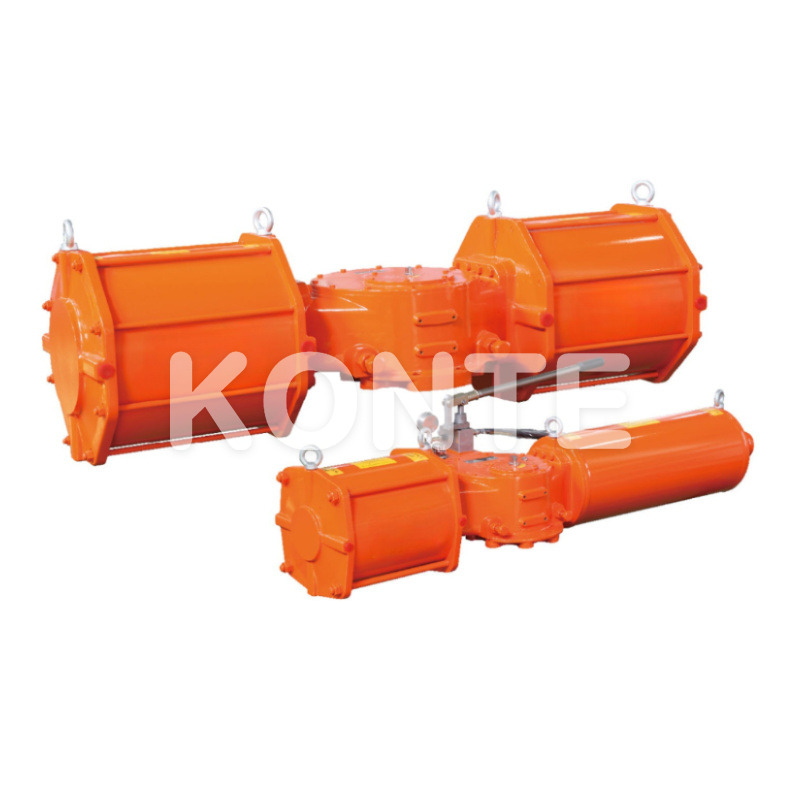
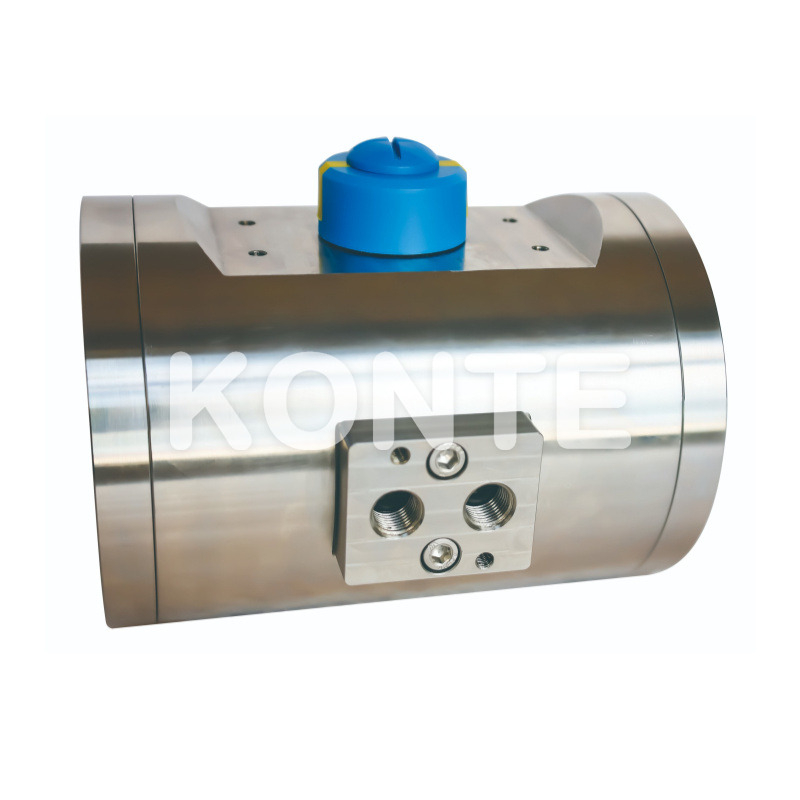
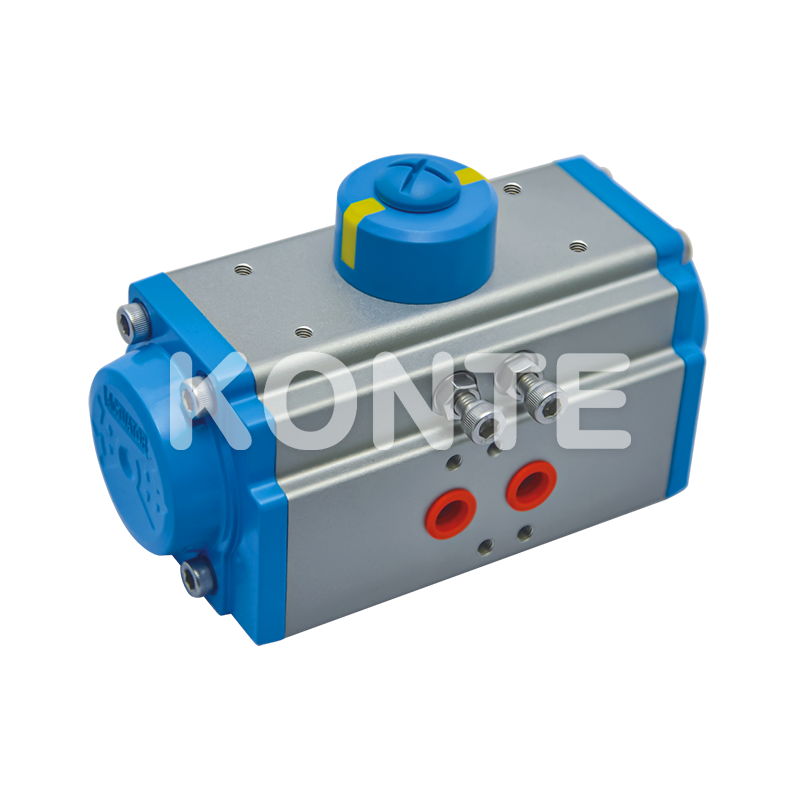
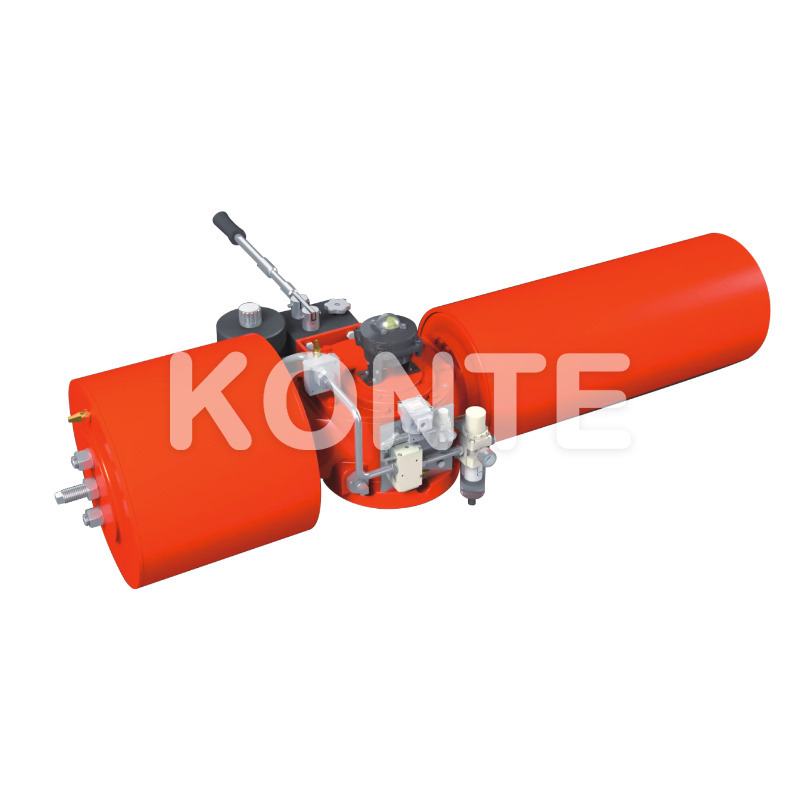
The core principle of a pneumatic actuator lies in the controlled use of compressed air. When air pressure is applied to a piston or diaphragm inside the actuator, it generates mechanical movement — either pushing, pulling, or rotating the connected component (such as a valve stem).
Basic working steps:
Air Supply – Compressed air enters the actuator chamber.
Pressure Conversion – The air pressure acts upon a piston or diaphragm.
Mechanical Motion – The motion is transmitted to the valve or mechanism.
Return Mechanism – Either a spring or reverse air flow returns the actuator to its original position.
This simple but effective mechanism allows for precise control of flow, pressure, or movement in various industrial processes.
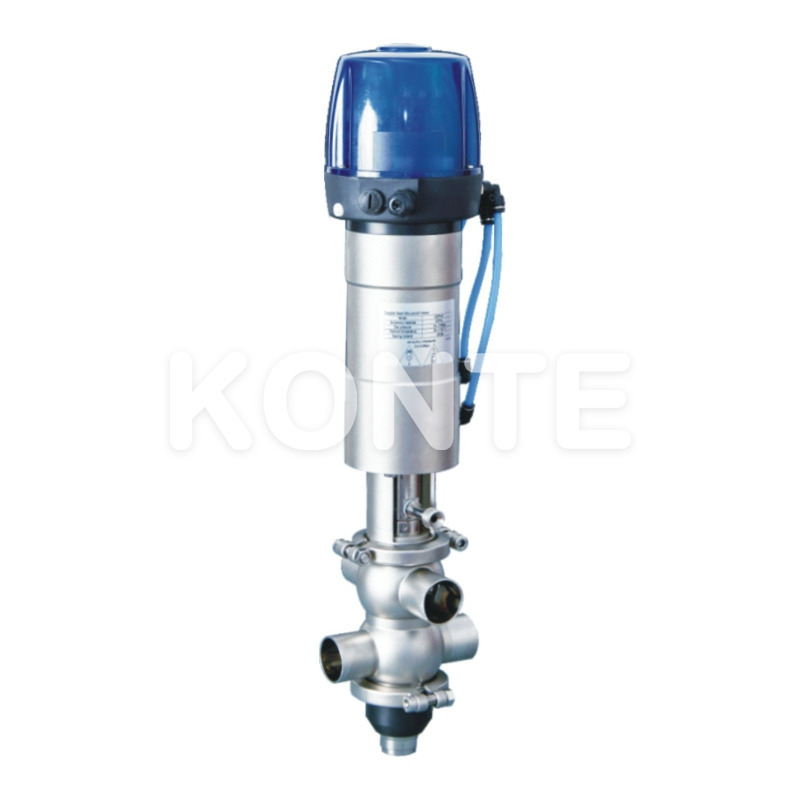
A pneumatic linear actuator converts air pressure into straight-line motion. It is commonly used in Pneumatic Globe Valves and Pneumatic Gate Valves. These actuators are ideal for processes requiring accurate linear displacement, such as in chemical and pharmaceutical industries.
Key Features:
Smooth linear movement
High control precision
Suitable for on-off and throttling applications
Applications: Globe valve automation in chemical mixing, pharmaceutical dosing, and process regulation.
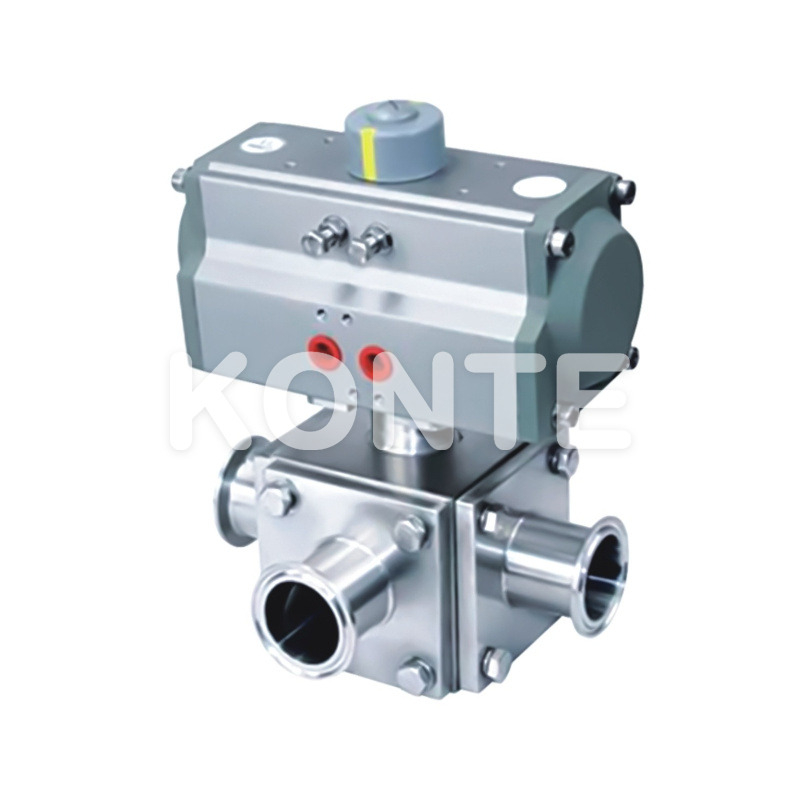
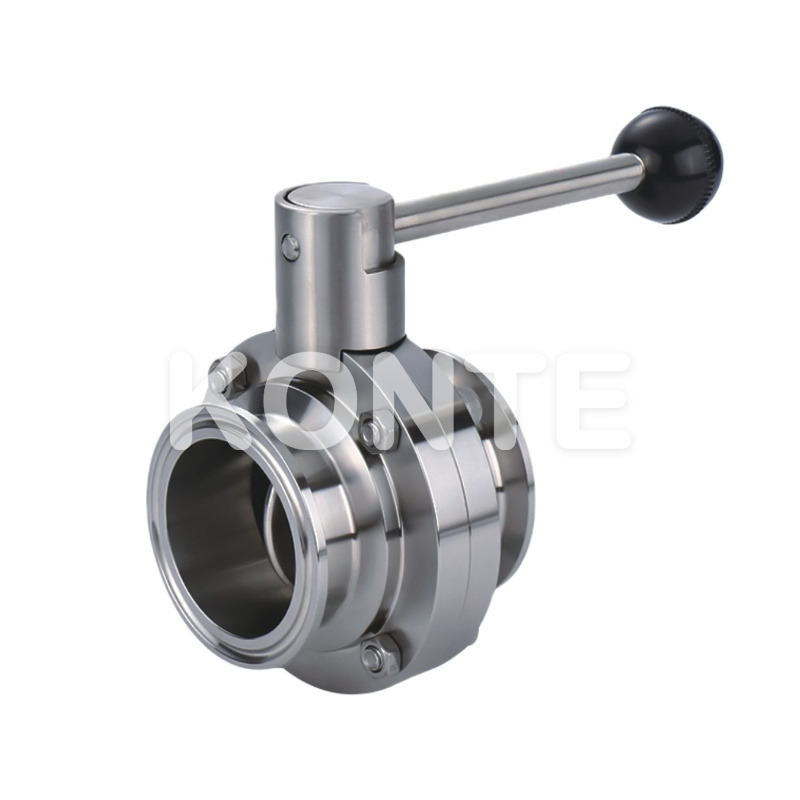
A pneumatic rotary actuator provides angular motion, typically rotating between 0° and 180°. These actuators are extensively used with Pneumatic Ball Valves, Pneumatic Butterfly Valves, and Plug Valves, making them ideal for water treatment and food & pharmaceutical industries.
Advantages:
Compact structure
High torque output
Ideal for frequent open/close operations
Rotary actuators are essential for flow control in pipelines, beverage manufacturing, and clean water systems where hygiene and reliability are key.
A spring return pneumatic actuator (also called a single-acting actuator) uses a spring to return the actuator to its default position when air pressure is released. It is widely used in regulating valves, gate valves, and globe valves across water and wastewater treatment and the power generation industries.
Benefits:
Fail-safe operation during air supply loss
Reduced air consumption
Ideal for safety-critical environments
These actuators provide dependable control in systems that require emergency shutdown or automatic fail-safe functions.
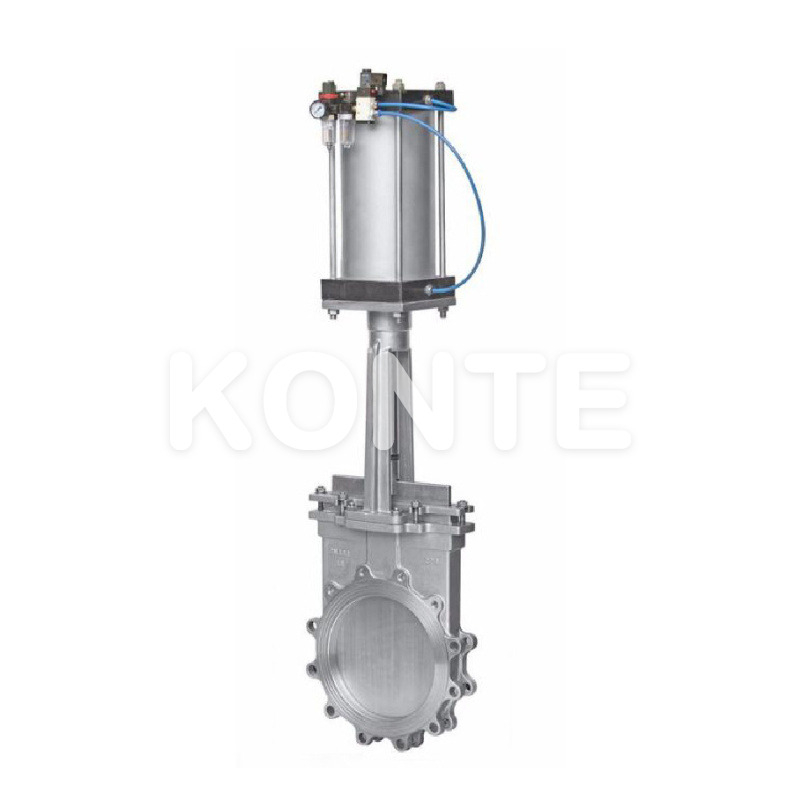
A pneumatic piston actuator delivers high force and is primarily applied to Ball Valves, Butterfly Valves, and Gate Valves used in oil, gas, and petrochemical industries.
Its robust design can handle large valve sizes and operate under extreme conditions.
Notable Features:
High output torque
Suitable for high-pressure valves
Durable in corrosive or hazardous environments
This actuator type plays a vital role in ensuring safe and reliable operation in refineries, pipelines, and offshore platforms.
| Industry | Common Valve Types | Recommended Actuator Type | Typical Applications |
|---|---|---|---|
| Chemical & Pharmaceutical | Globe, Gate | Pneumatic Linear Actuator | Chemical dosing, reagent control |
| Water & Food Processing | Ball, Butterfly, Plug | Pneumatic Rotary Actuator | Flow regulation, clean water systems |
| Power Generation | Regulating, Gate, Globe | Spring Return Pneumatic Actuator | Steam control, safety shutdown |
| Oil, Gas & Petrochemical | Ball, Butterfly, Gate | Pneumatic Piston Actuator | Pipeline control, refinery operation |
| Metallurgy & Pulp | Ball, Butterfly, Knife Gate | Pneumatic Actuator Manufacturers (customized) | Paper pulp control, smelting process |
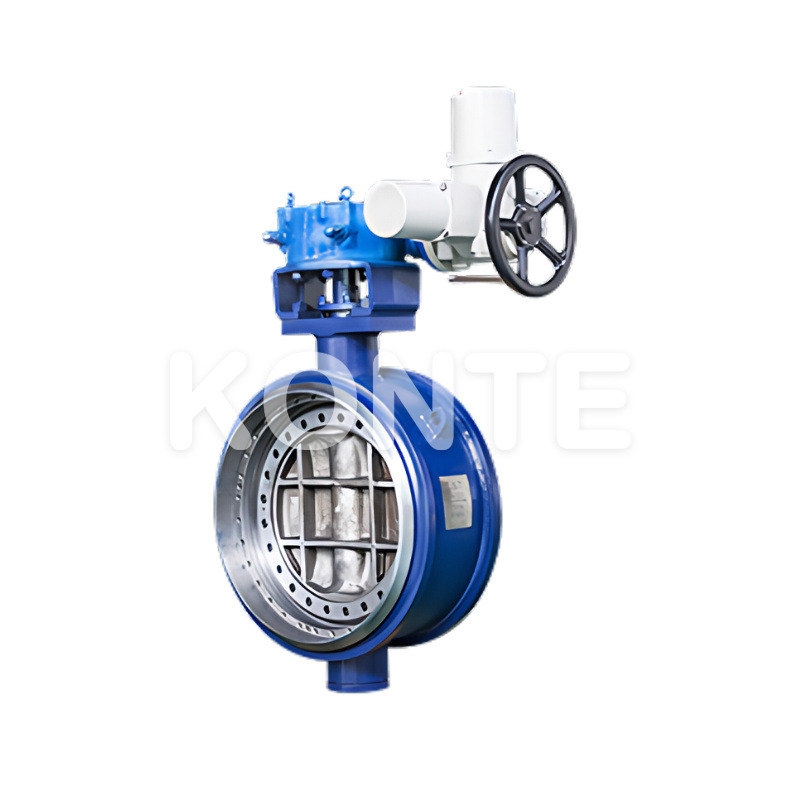
Advantages of Pneumatic Actuators:
Fast and reliable response
Simple installation and low maintenance
Suitable for hazardous environments
Long operational life
Cost-effective automation solution
Design Considerations:
Required torque or thrust
Air supply pressure and flow rate
Valve compatibility
Operating temperature and environment
Safety (spring return for fail-safe needs)
By evaluating these factors, engineers can select the right pneumatic actuator type for optimal system performance.
| Type | Motion Type | Typical Valves | Industries | Special Features |
|---|---|---|---|---|
| Pneumatic Linear Actuator | Linear | Globe, Gate | Chemical, Pharmaceutical | High precision control |
| Pneumatic Rotary Actuator | Rotary (0–180°) | Ball, Butterfly, Plug | Water, Food & Pharma | Compact, reliable |
| Spring Return Pneumatic Actuator | Linear/Rotary | Regulating, Gate, Globe | Power, Wastewater | Fail-safe function |
| Pneumatic Piston Actuator | Linear | Ball, Butterfly, Gate | Oil, Gas, Petrochemical | High torque output |
Global pneumatic actuator manufacturers play a critical role in supplying advanced and reliable automation systems for industries like metallurgy, pulp and paper, and power generation.
These manufacturers offer various actuator types with different materials, torque capacities, and control options to fit customer requirements.
Reputable global manufacturers include:
Emerson (ASCO, Bettis)
Rotork
SMC Corporation
Festo
Parker Hannifin
Their innovations continue to improve efficiency, safety, and sustainability in industrial automation.
In line with industry leaders like Emerson, Rotork, SMC Corporation, Festo, and Parker Hannifin, we at Wenzhou Kangtuo International Trade Co., Ltd. are committed to delivering high-performance pneumatic actuators that meet the most demanding industrial standards. Our products are designed with precision, reliability, and durability in mind, drawing on the best practices from top global brands.
We pride ourselves on our ability to offer customized solutions tailored to your specific needs, whether for valve automation, process control, or unique industry requirements. With years of experience in the field, we combine industry expertise with a commitment to exceptional product quality, ensuring that every actuator we produce delivers unmatched performance.
We invite you to contact us for competitive pricing and explore how we can support your business with reliable pneumatic actuator solutions.
Q1: What is a pneumatic actuator used for?
A pneumatic actuator controls mechanical devices like valves using compressed air.
Q2: What is the difference between linear and rotary pneumatic actuators?
Linear actuators create straight-line motion, while rotary actuators provide rotational motion for opening or closing valves.
Q3: Why choose a spring return pneumatic actuator?
It ensures fail-safe operation by returning to a default position when air supply fails.
Q4: Which industries use pneumatic piston actuators?
They are primarily used in oil, gas, and petrochemical sectors for high-torque valve operations.
Q5: Are pneumatic actuators better than electric actuators?
For explosive or humid environments, pneumatic actuators are safer and more durable.
Q6: How do pneumatic actuator manufacturers ensure quality?
Through pressure testing, leak checks, and material certification to meet ISO and CE standards.
Q7: Can pneumatic actuators be customized?
Yes, customization includes stroke length, torque output, materials, and mounting interfaces.
Q8: What maintenance is required for pneumatic actuators?
Regular inspection of seals, air filters, and lubrication ensures longevity.
Q9: What are the limitations of pneumatic actuators?
They require a steady air supply and are less energy-efficient compared to electric types.
Q10: How to choose the right pneumatic actuator?
Consider valve type, torque needs, environment, and fail-safe requirements.
Pneumatic actuators are indispensable components in modern automation systems.
From the precision control of a pneumatic linear actuator in chemical production to the high-torque performance of a pneumatic piston actuator in oil and gas facilities, these devices enable safe and efficient process operation across industries.
With continuous innovation from leading pneumatic actuator manufacturers, their performance, safety, and efficiency continue to advance — making them a cornerstone of industrial motion control and valve automation worldwide.


