

Views: 0 Author: Site Editor Publish Time: 2025-10-20 Origin: Site


Valve actuators play a vital role in industrial automation systems by converting control signals into mechanical motion to operate valves. They ensure accurate flow regulation, safety, and efficiency in processes ranging from oil refining and power generation to water treatment and chemical manufacturing.
This article explores the main purpose of valve actuators, details their types and applications, analyzes the industrial valve actuators market, and explains how control valve actuators and positioners contribute to modern process automation.
In industrial systems, controlling the flow of liquids, gases, and steam is essential to ensure operational safety and efficiency. This control is achieved through valves—mechanical devices that regulate flow and pressure. However, in automated systems, manual valve operation is neither practical nor precise. That’s where valve actuators come in.
Valve actuators provide automated control, enabling precise adjustment of valve position and ensuring consistent process performance.
Overview of Valve Actuators
What Are Valve Actuators?
Why Are Valve Actuators Essential in Industrial Systems?
Main Types of Valve Actuators
Electric Valve Actuators
Pneumatic Valve Actuators
Hydraulic Valve Actuators
Types of Valve Actuators
Applications of Valve Actuators
Oil & Gas Industry
Chemical Processing
Power Generation
Water Treatment & Municipal Supply
Pharmaceutical & Steam Systems
Actuators Market Overview
Control Valve Actuators and Positioners
How to Select the Right Valve Actuator
Conclusion
FAQs
A valve actuator is a mechanical device that moves or controls a valve using an external power source such as electricity, compressed air, or hydraulic pressure.
The actuator converts this energy into motion—either rotary (for ball or butterfly valves) or linear (for globe or gate valves)—allowing for automated valve operation without manual intervention.
Automation: They enable remote and precise valve control.
Safety: In critical systems (e.g., oil refineries), actuators ensure immediate shutdown in case of emergencies.
Efficiency: Automated control improves process stability and reduces human error.
Integration: Modern actuators work seamlessly with control systems like PLCs and SCADA.
Valve actuators can be broadly categorized into three main types: electric, pneumatic, and hydraulic.
Each type offers distinct advantages depending on the application, energy source, and control requirements.
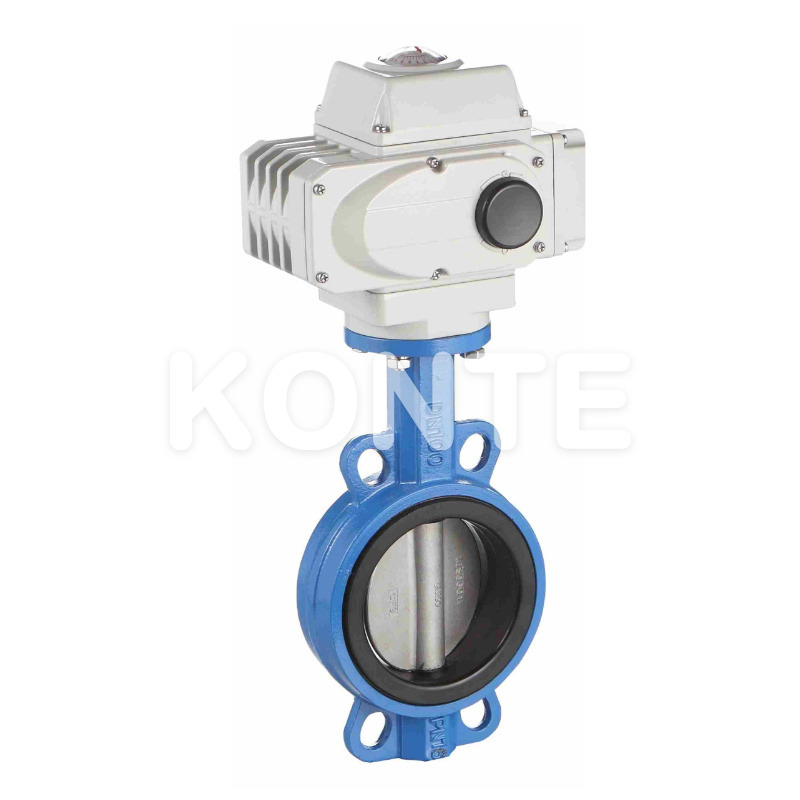
Electric valve actuators use an electric motor to drive valve movement. They are ideal for applications requiring precise control, remote operation, and integration with digital systems.
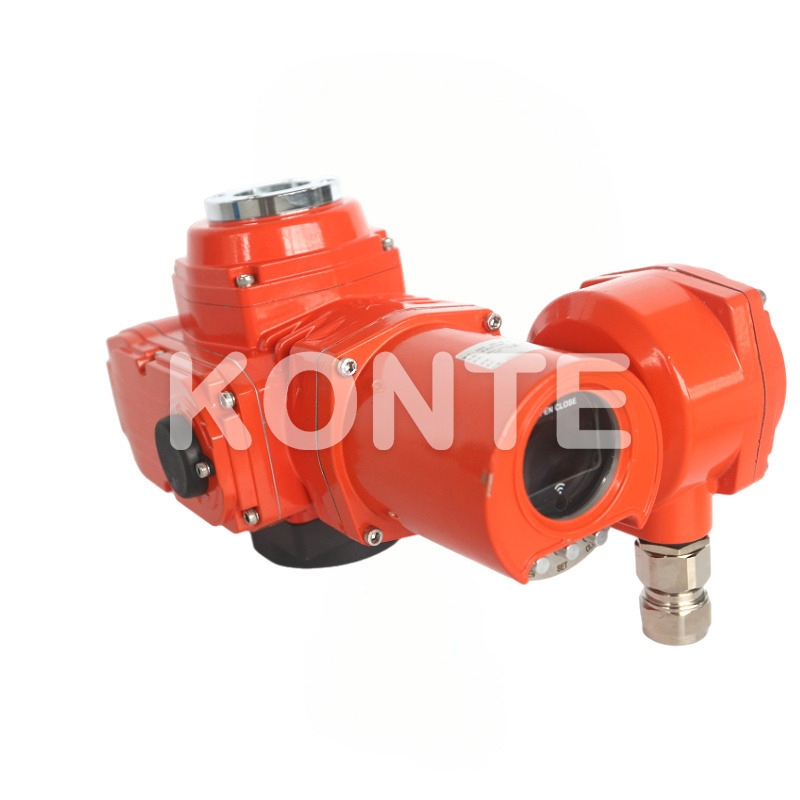
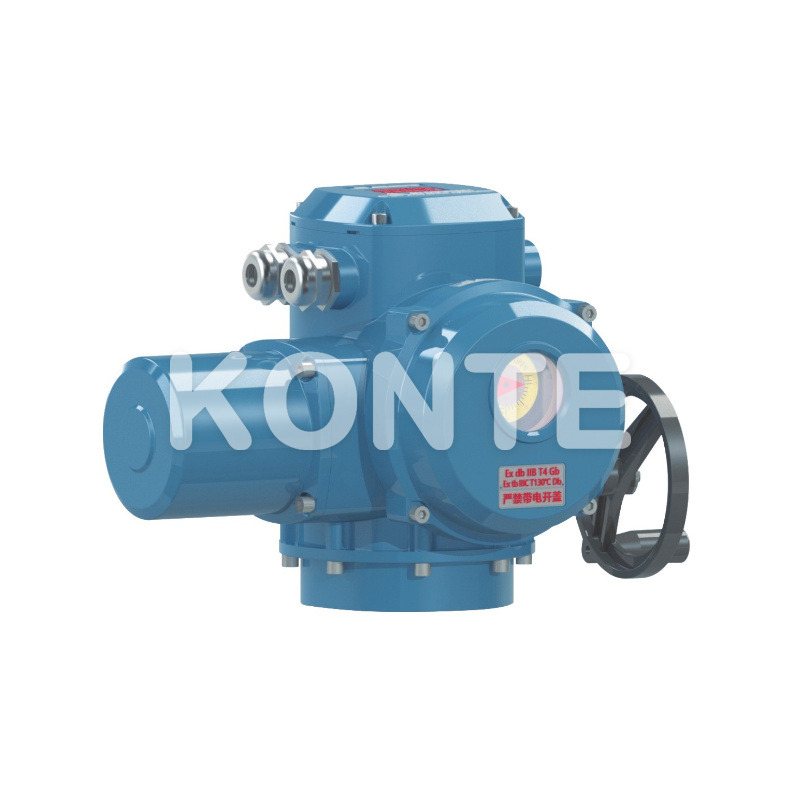
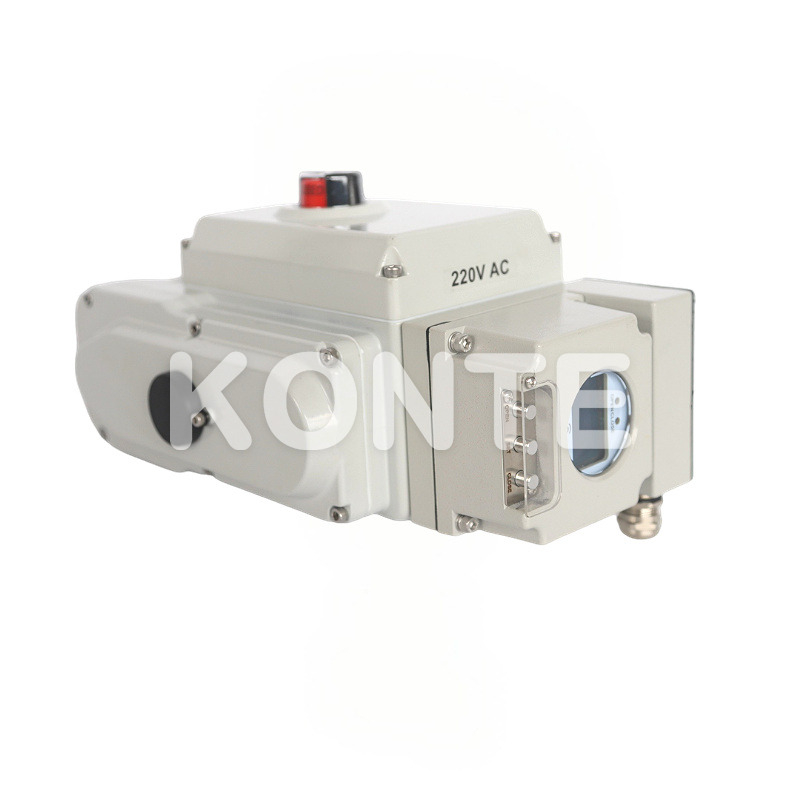
Common Applications:
Electric Ball Valves in automated process systems
Oil and chemical industries requiring stable and controlled operation
Advantages:
High accuracy and repeatability
Easy integration with smart control systems
Environmentally clean (no air or hydraulic leaks)
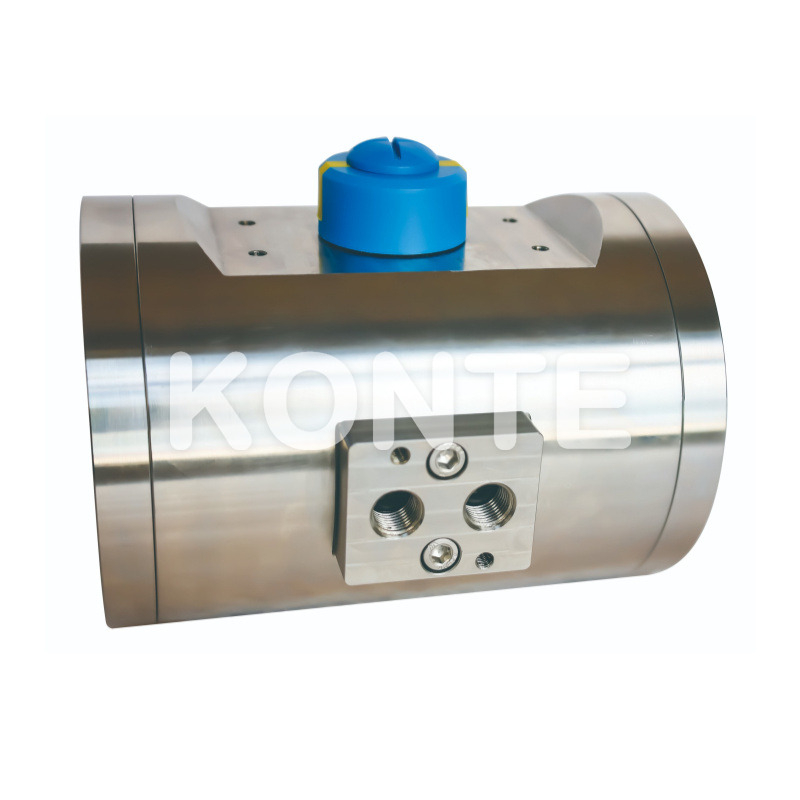
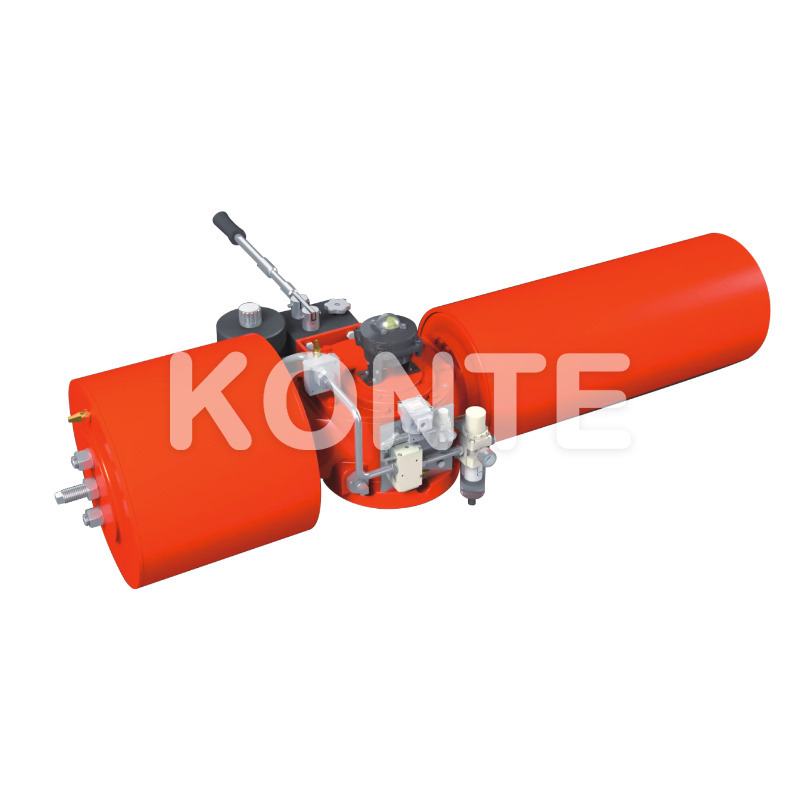
Pneumatic valve actuators operate using compressed air to move a diaphragm or piston. They are widely used in industries that already have existing air supply systems.
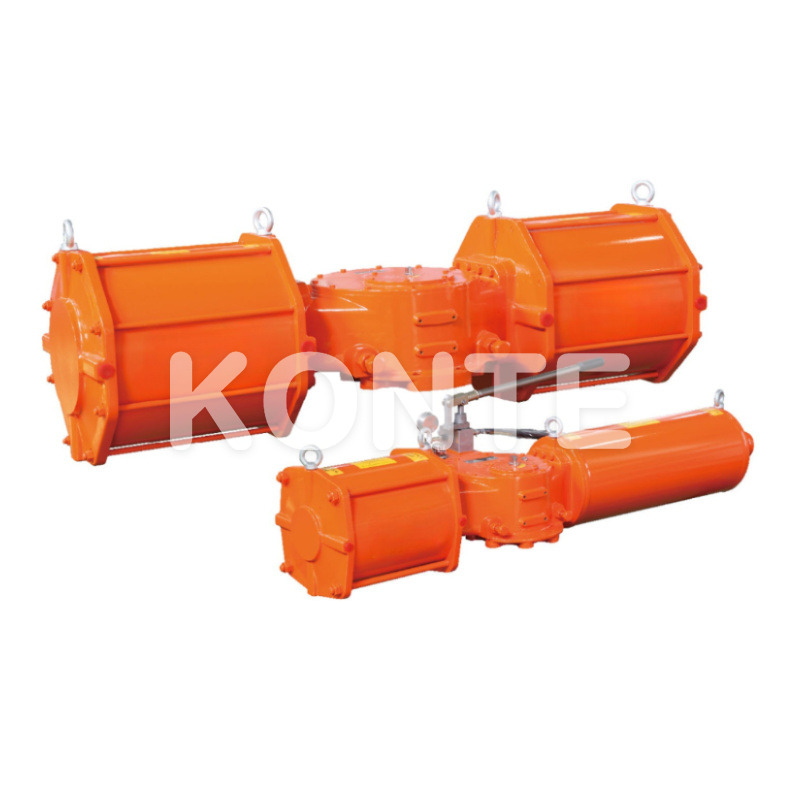
Common Applications:
Butterfly Valves and Globe Valves
Power generation, water treatment, and municipal supply systems
Advantages:
Fast response and high reliability
Suitable for explosive or hazardous environments
Low maintenance cost
Hydraulic actuators use pressurized fluid for motion. They provide high torque and are suitable for large valve operations.
Applications:
Offshore oil platforms
High-pressure and large-diameter valve systems
Advantages:
Very high force output
Stable operation in demanding conditions
| Type | Power Source | Suitable Valve Types | Main Industries | Key Advantages |
|---|---|---|---|---|
| Electric Valve Actuators | Electricity | Ball Valve, Butterfly Valve | Oil, Chemical, Automation | High precision, remote control |
| Pneumatic Valve Actuators | Compressed Air | Butterfly Valve, Globe Valve | Power, Water Treatment | Fast response, safety |
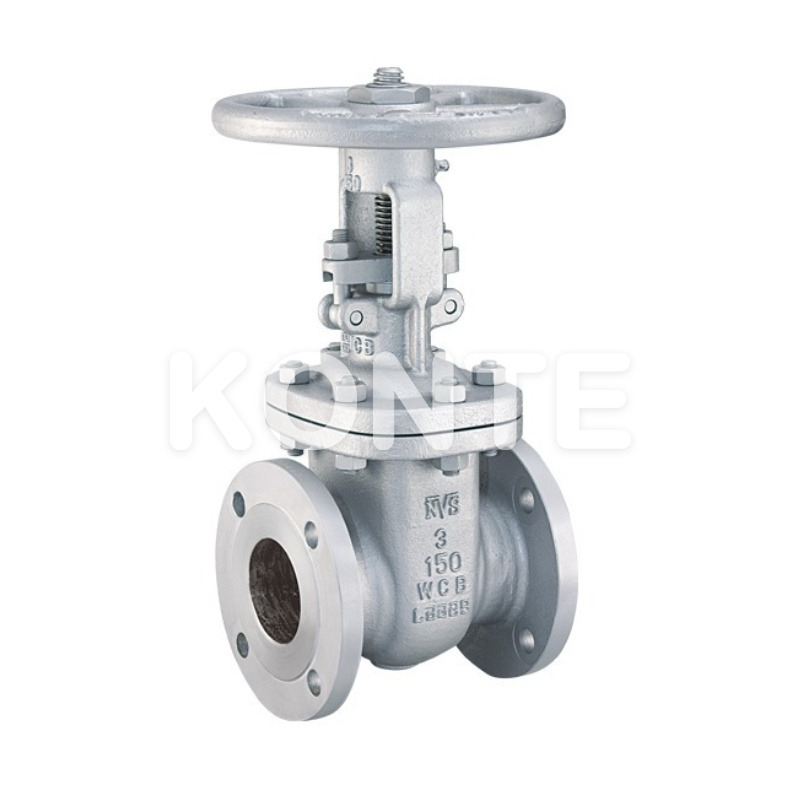
| Hydraulic Valve Actuators | Hydraulic Fluid | Gate Valve, Large Valves | Oil & Gas, Heavy Industry | High torque, robust performance |
Control valve actuators are designed for continuous and precise adjustment of valve position to regulate flow, pressure, or temperature.
They are essential in chemical, pharmaceutical, steam systems, and high-pressure pipelines, where fine control determines product quality and safety.
By converting electrical or pneumatic control signals into mechanical movement, these actuators allow accurate modulation rather than simple on/off operation.
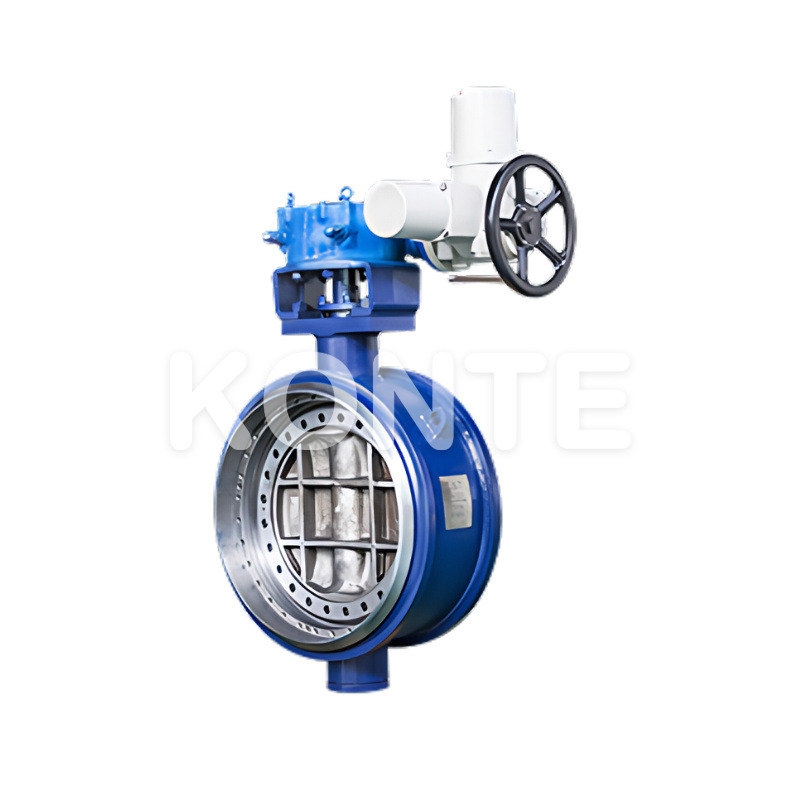
Valve actuators control fluid movement through extensive pipeline systems. Electric valve actuators are preferred in hazardous areas for their precision and safety compliance.
Precise dosing and flow regulation rely on control valve actuators for accuracy and corrosion resistance under chemical exposure.
Pneumatic valve actuators operate butterfly and globe valves in steam and cooling systems to ensure reliable flow management.
Automation of water flow and pressure control uses pneumatic actuators due to their responsiveness and low maintenance.
Control valve actuators ensure exact flow rates in sterile production environments, maintaining high purity standards.
The industrial valve actuators market has grown significantly due to the expansion of automation in process industries.
Key Market Trends:
Increasing demand for smart, energy-efficient actuators
Integration with IoT for predictive maintenance
Rising use in water infrastructure and renewable energy
Main Valve Types Used:
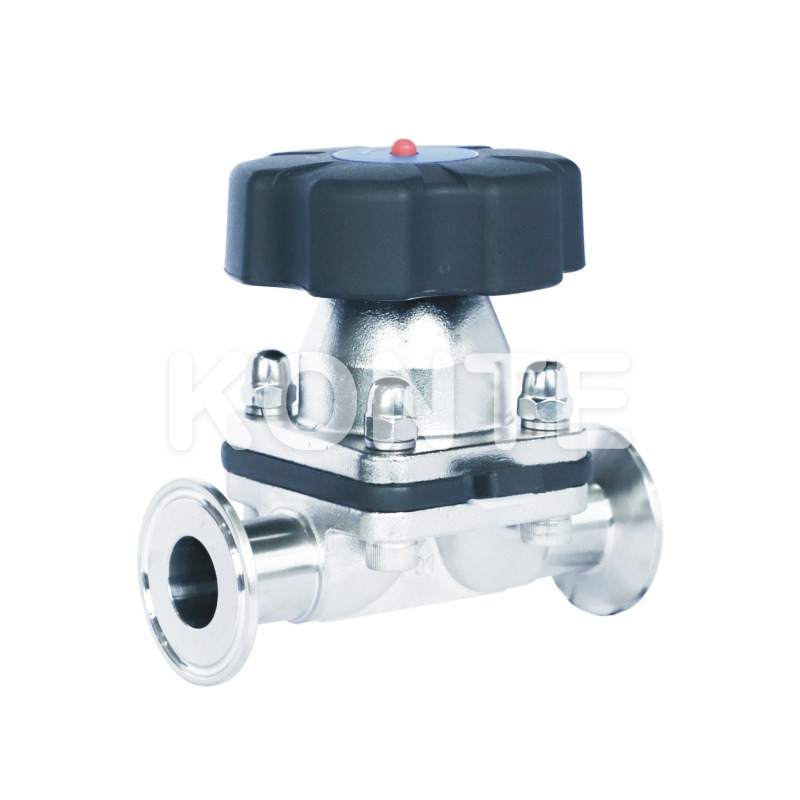
Butterfly valves, gate valves, and diaphragm valves are the most common across sectors.
The market outlook remains strong as industries seek higher reliability, safety, and digital control integration.
While actuators provide motion, positioners ensure the valve reaches the desired position accurately based on the control signal.
Together, control valve actuators and positioners form a closed-loop control system that enhances precision and reduces energy consumption.
Applications:
Regulating valves, ball valves, butterfly valves
Oil, chemical, electric power, and water treatment sectors
Benefits:
Improved process control accuracy
Reduced hysteresis and response time
Greater system efficiency and reliability
Choosing the proper valve actuator depends on several factors:
| Selection Criteria | Considerations |
|---|---|
| Power Source | Availability of electricity, air, or hydraulic systems |
| Valve Type | Rotary vs linear motion requirements |
| Control Precision | On/off vs modulating control |
| Operating Environment | Temperature, pressure, explosive atmosphere |
| Maintenance Needs | Ease of service, spare part availability |
| Integration Level | Compatibility with control systems (PLC, DCS) |
Selecting the right actuator ensures operational safety, efficiency, and cost-effectiveness.
The main purpose of valve actuators is to automate valve operation, ensuring precise, reliable, and efficient control of flow within industrial systems.
From electric valve actuators in chemical plants to pneumatic actuators in municipal water networks and control valve actuators in steam systems, these devices underpin modern process automation.
As technology advances, smart and connected control valve actuators and positioners are shaping the future of industrial control, offering enhanced accuracy, safety, and predictive maintenance capabilities.
A valve actuator automates the opening and closing of valves, allowing precise flow and pressure control without manual intervention.
The three primary types are electric, pneumatic, and hydraulic valve actuators, each suited to specific environments and applications.
Oil & gas, chemical processing, power generation, water treatment, and pharmaceuticals rely heavily on valve actuators.
Electric actuators use electrical power and offer high precision, while pneumatic actuators use compressed air and are preferred in hazardous or humid environments.
It’s an actuator designed for continuous positioning control, regulating flow or pressure based on input signals from a control system.
A positioner ensures the valve’s position accurately matches the control signal, improving response and precision.
Consider the control requirements, power source availability, and operating environment before selecting.
Yes. They are key components in automated process control systems, enabling remote and intelligent flow regulation.
The market is growing due to the increasing demand for smart, energy-efficient, and IoT-enabled actuators.
Yes. Many manufacturers offer OEM/ODM services to adapt actuators for specific valves, environments, or automation systems.


